Skip to content

2026 Best Stamped Concrete Sealer for Global Buyers?

Choosing the best stamped concrete sealer in 2026 requires more than comparing prices or glossy product photos. Global buyers face different climates, surface conditions, shipping routes, and construction standards. A sealer that performs well in dry Arizona may struggle under tropical rain or repeated freeze-thaw cycles. The right choice should protect color, resist water, and maintain traction without creating an unsafe, overly slick surface.

Not always simple.

This guide compares stamped concrete sealers through practical performance and documented specifications. We examine acrylic, penetrating, polyurethane, and hybrid formulas. We consider UV resistance, abrasion protection, curing time, coverage, odor, and maintenance needs. Manufacturer data matters, but real application details matter too. A small test area can reveal whitening, uneven gloss, or poor adhesion before a full project begins. That matters.

Our evaluation also considers international buyers. Product availability, technical support, packaging quality, and transport conditions can affect the final result. Independent test reports and clear safety documentation add confidence. However, some product claims remain difficult to verify across different surfaces and climates. That limitation deserves attention. No single sealer wins everywhere.

Experienced contractors often adjust application rates according to slab porosity, temperature, and humidity. They also avoid sealing damp concrete, even when deadlines feel urgent. Buyers should confirm compatibility with existing coatings and local requirements before ordering. The best stamped concrete sealer is not always the cheapest or the glossiest. It is the option that matches the project, the environment, and the installer’s actual skill.
2026 Best Stamped Concrete Sealer for Global Buyers?

What Is Stamped Concrete Sealer and Why Does It Matter?

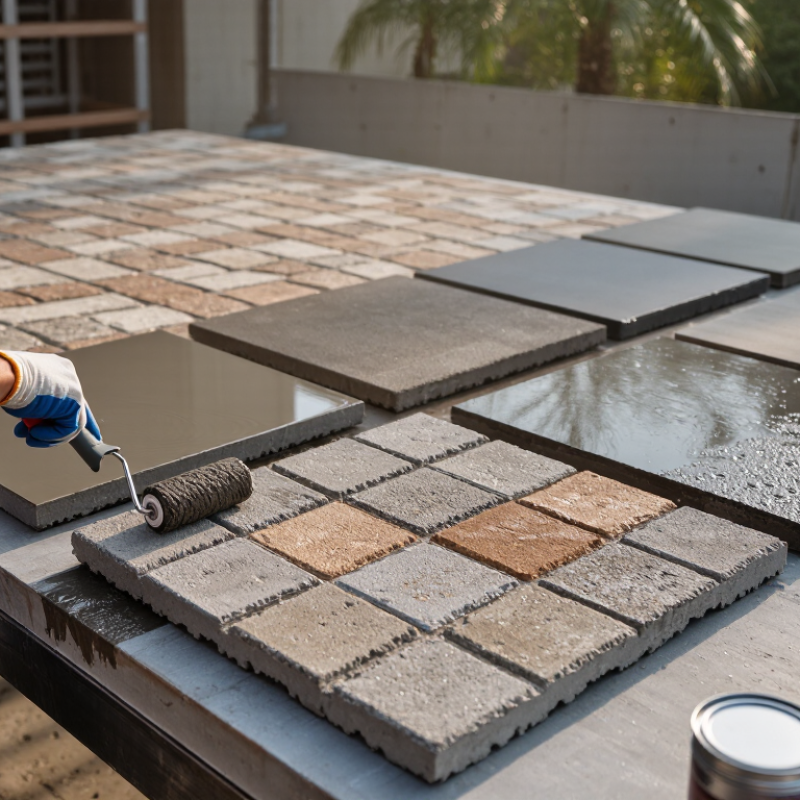
Stamped concrete sealer is a protective coating applied over patterned and colored concrete. It forms a barrier against water, stains, surface dust, and ultraviolet damage. The sealer also deepens color and enhances the texture, making stone, brick, or wood patterns look more natural.

Its importance becomes clear after rain, spilled oil, or repeated foot traffic. Unsealed concrete can absorb moisture through tiny pores. In freezing climates, trapped water may expand and encourage cracking. In hot regions, sunlight can fade decorative pigments. A suitable sealer helps reduce these risks, but it cannot repair weak concrete or poor drainage.

Film-forming acrylic sealers are common for stamped surfaces because they improve color and offer a noticeable finish. Penetrating sealers may provide less visual enhancement but can support breathability. High-gloss finishes look attractive. They can also become slippery when wet and show scratches more easily. That trade-off deserves attention.

Buyers should compare solids content, slip resistance, drying time, maintenance needs, and local environmental requirements. Always test a small hidden area first. Concrete color can change unexpectedly. I have seen a beautiful sample appear too dark after application, especially on freshly washed surfaces. Surface preparation matters as much as the product itself. Dust, curing compounds, and trapped moisture may cause peeling or cloudy patches.

Application temperature also affects performance. Follow the technical data sheet, and avoid sealing before the concrete has cured adequately. A reliable selection matches the climate, traffic level, desired appearance, and installer’s experience, not just the lowest price.

How to Compare Sealer Types for Different Climate Conditions

2026 Best Stamped Concrete Sealer for Global Buyers?

How to Compare Sealer Types for Different Climate Conditions

Climate should guide your sealer choice more than surface appearance. In hot, sunny regions, a UV-resistant acrylic or polyurethane can reduce fading and tire marks. Solvent-based acrylics often deepen color, but they may release stronger odors during application. Water-based options usually smell less and can produce a lighter finish. Always check the slab temperature. A surface that feels warm may already be too hot for proper curing.

Humid and rainy climates need a different approach. A breathable acrylic allows some moisture vapor to escape, reducing cloudiness and peeling risks. Penetrating silane or siloxane products repel water without creating a thick film. They usually change the color less. Coastal buyers should also consider salt exposure and frequent wetting. One neglected detail is drainage. Even a high-quality sealer struggles when water remains in stamped joints.

Freeze-thaw regions require flexibility and strong adhesion. A rigid coating can crack when trapped moisture freezes beneath it. Polyurethane may offer better abrasion resistance, but application mistakes become more visible. Clean the concrete carefully. Test for moisture. Apply a small sample first. Slip resistance matters around pools and entrances, especially after rain. I would not choose a sealer from gloss level alone. Gloss can hide early problems, and high shine is not always practical. Product data sheets help, but local application experience still matters. Conditions can change within a single day.

Which Performance Features Should Global Buyers Evaluate?

For global buyers, the best stamped concrete sealer is not simply the glossiest product. Performance must match the project’s climate, traffic, and maintenance conditions. Start with water resistance, because rain can enter textured joints and weaken the surface over time. In freeze-thaw regions, choose a sealer that tolerates repeated expansion and contraction without cracking or peeling. Hot climates also demand strong UV stability. Otherwise, color may fade within one season.

Abrasion resistance matters on driveways, plazas, and commercial walkways. A sealer should withstand tire movement, grit, cleaning equipment, and frequent foot traffic. Ask for laboratory test data, not only decorative photographs. Slip resistance deserves careful attention, especially around pools and sloped entrances. A very smooth finish can look attractive but become hazardous when wet. That trade-off is easy to overlook. It should not be.

Application conditions affect real performance. Buyers should check recommended surface moisture, temperature, curing time, and recoat limits. Compatibility with existing sealers is also essential. A small test area can reveal whitening, uneven gloss, or poor adhesion before the full installation. Low-emission formulations may simplify compliance across different markets, but local regulations still require verification. Packaging should include batch details, technical data, safety information, and storage guidance. Claims like “long-lasting” need measurable support, such as abrasion results, weathering exposure, or documented field performance. Some evaluations remain uncertain. Actual site conditions can defeat a perfect specification.

2026 Best Stamped Concrete Sealer for Global Buyers? – Which Performance Features Should Global Buyers Evaluate?

A practical evaluation matrix for comparing stamped-concrete sealers across climate zones, traffic conditions, regulatory requirements, and total ownership costs. Values below are general buyer benchmarks rather than claims for a specific product.

Performance Dimension What Global Buyers Should Evaluate Useful Benchmark or Target Relevant Test Method or Evidence Why It Matters for Stamped Concrete Priority
Sealer Chemistry Identify whether the formulation is water-based, solvent-based, acrylic, polyurethane, epoxy, silane/siloxane, or a hybrid system. The chemistry should match the required appearance, traffic level, vapor conditions, and local environmental rules. Technical data sheet, safety data sheet, VOC declaration, and compatibility statement. Different chemistries provide different balances of gloss, penetration, flexibility, odor, drying speed, and chemical resistance. High
Weather and UV Resistance Check resistance to ultraviolet exposure, color fading, chalking, yellowing, and repeated temperature changes. Prefer documented accelerated-weathering results and a clearly stated exterior-use warranty or service expectation. ASTM G154 or ISO 4892-3 accelerated weathering data, plus outdoor exposure references where available. Stamped concrete is often installed outdoors, where sunlight and heat can degrade weak films and alter decorative color. High
Water Repellency Evaluate resistance to rain, splash water, water spotting, and moisture penetration without creating a slippery surface. Look for measurable water absorption reduction or contact-angle data supported by a recognized test. ASTM C642, ASTM C67-related absorption procedures where applicable, or documented water-repellency testing. Reduced water ingress helps limit staining, freeze-thaw damage, efflorescence, and deterioration of the concrete surface. High
Freeze-Thaw Durability Confirm performance in regions exposed to freezing temperatures, de-icing salts, and repeated wet-dry cycles. Require project-specific freeze-thaw evidence rather than relying only on a general “weather resistant” claim. ASTM C666/C666M for concrete systems, compatible de-icing salt testing, and documented field performance. Moisture trapped in concrete can freeze, expand, and contribute to scaling, cracking, or loss of decorative texture. High
Abrasion and Traffic Resistance Assess resistance to pedestrian traffic, vehicles, tire marking, furniture movement, and maintenance equipment. Choose a system rated for the intended use: residential, commercial pedestrian, or vehicular. ASTM D4060 Taber abrasion or equivalent abrasion data; request dry and wet-slip performance where relevant. Stamped profiles experience concentrated wear on raised textures, where inadequate film strength can cause premature dulling. High
Chemical and Stain Resistance Check resistance to oil, fuel, food acids, detergents, chlorides, pool chemicals, and common cleaning agents. Require a chemical-resistance table showing exposure time, concentration, and visual or performance change. ASTM D1308 or equivalent spot-test procedures, supported by project-specific chemical exposure testing. Restaurants, driveways, pool decks, and industrial areas can expose the sealer to substances that soften or discolor the film. High
Slip Resistance Evaluate wet and dry slip resistance, especially for pool surrounds, ramps, entrances, and rainy climates. Use a suitable anti-slip additive or textured system when the surface will become wet or oily. ANSI A326.3, ASTM E303, or the applicable local pendulum, ramp, or dynamic coefficient-of-friction method. Glossy sealers can reduce traction if over-applied or used without suitable aggregate, creating a safety risk. High
Breathability and Vapor Tolerance Determine whether the sealer allows moisture vapor to escape and whether it can tolerate residual substrate moisture. Use a moisture-tolerant or vapor-permeable system when rising damp, shaded concrete, or high humidity is expected. ASTM E96/E96M water-vapor transmission, concrete moisture testing, and manufacturer application limits. Excessive vapor pressure beneath an impermeable film can cause blistering, whitening, peeling, or delamination. High
Adhesion to Concrete Review bonding performance on cured, power-washed, acid-stained, colored, or previously sealed concrete. Require a clean-substrate specification and a small-area adhesion trial before full application. ASTM D4541 pull-off testing, ASTM D3359 cross-cut testing where suitable, and site mock-up results. Stamped concrete has a textured and sometimes porous surface, making surface preparation critical to long-term adhesion. High
Appearance and Gloss Retention Compare clear appearance, color enhancement, gloss level, whitening risk, and long-term gloss stability. Specify matte, satin, or gloss appearance and define acceptable color or gloss change after weathering. Gloss measurement at 60° using ASTM D523 and color change using ASTM D2244 where applicable. Decorative stamped concrete depends on consistent color enhancement and a finish that does not obscure texture. Medium
Drying and Recoat Window Check touch-dry time, light-traffic time, full-cure time, and minimum or maximum recoat interval. Select a system that fits the site schedule and local temperature and humidity conditions. Technical data sheet tested at stated temperature, relative humidity, and substrate conditions. Slow curing can attract dust and footprints, while recoating too early can trap solvents or create adhesion problems. Medium
Application Temperature and Humidity Range Verify the permitted air, surface, and material temperatures, as well as maximum relative humidity. Application limits should cover the destination climate or provide a clear seasonal installation plan. Product technical data sheet and on-site surface-temperature and humidity records. Hot, cold, humid, or rapidly changing weather can affect film formation, whitening, bubbling, and adhesion. High
VOC and Regulatory Compliance Check volatile organic compound content, restricted solvents, labeling, transport classification, and destination-country rules. The formulation should comply with the regulations of the import market and the project jurisdiction. SDS, VOC test certificate, regional compliance declaration, and dangerous-goods transport documentation where applicable. Regulatory non-compliance can delay customs clearance, restrict jobsite use, or create worker and environmental liabilities. High
Packaging and Shelf Life Evaluate container size, leak resistance, batch identification, storage requirements, and shelf life. Prefer sealed, traceable packaging with clearly stated storage temperature and shelf-life conditions. Packaging specification, batch certificate, production date, expiration date, and transport test records. Long-distance shipping and warehouse storage can expose the material to heat, freezing, or container damage. Medium
Coverage and Total Installed Cost Compare coverage per liter or gallon, number of coats, labor time, equipment, maintenance, and expected recoating interval. Evaluate total cost per square meter or square foot rather than purchase price alone. Coverage test on a representative stamped-concrete mock-up and a complete installation cost calculation. Highly textured surfaces may consume more material than smooth concrete, affecting the true project budget. High
Repair and Maintenance Compatibility Confirm whether localized repairs, cleaning, recoating, and removal can be performed without visible patch differences. Request a maintenance schedule and written guidance for compatible cleaners and future recoats. Maintenance manual, compatibility tests, and trial repair on the actual decorative concrete system. A maintainable coating can extend service life and reduce the cost and disruption of complete removal. Medium
Documentation and Quality Control Review batch consistency, certificate of analysis, application instructions, warranty terms, and technical support. Require traceable documentation for every shipment and a written procedure for substrate preparation and application. Certificate of analysis, quality-management records, sample approval, and project-specific method statement. Consistent documentation helps global buyers control quality across different installers, climates, and shipment batches. High

How to Select, Apply, and Maintain a Stamped Concrete Sealer

2026 Best Stamped Concrete Sealer for Global Buyers?

Selecting, applying, and maintaining a stamped concrete sealer requires more than choosing a glossy finish. Start with the climate, slab age, traffic, and surface moisture. A solvent-based sealer may suit dry conditions, while water-based formulas can reduce odor during indoor work. Always test a small area first. Color can darken unexpectedly.

Professional guidance matters. ACI 308R identifies proper curing as essential for concrete strength and durability. ASTM C672 evaluates surface scaling through repeated freeze-thaw exposure, while ASTM C666 commonly examines durability across 300 freeze-thaw cycles. These tests do not guarantee field performance, but they reveal useful weaknesses. Ask suppliers for current technical data, abrasion results, slip-resistance information, and volatile organic compound compliance for the destination market.

Application must be controlled. Remove dust, grease, curing residue, and standing water. Follow the stated coverage rate, temperature range, and recoat window. Thin, even coats usually perform better than one heavy coat. Avoid puddles in deep stamp lines. That mistake still happens. On a warm slab, the sealer can flash too quickly and leave cloudy patches. During maintenance, use a neutral cleaner, soft equipment, and clean water. Avoid harsh chemicals and abrasive pads. Inspect high-traffic paths every six months, especially near entrances and pool decks. Recoat according to wear, not an attractive calendar date.

2026 Best Stamped Concrete Sealer for Global Buyers

Typical planning intervals for recoating stamped concrete by sealer chemistry

Penetrating silane or siloxane sealers generally offer the longest maintenance interval for exterior concrete because they resist water absorption without forming a thick surface film. Acrylic sealers are commonly selected when color enhancement and gloss are priorities, but they usually require more frequent renewal. Actual performance depends on climate, UV exposure, traffic, surface preparation, application rate, and cleaning practices.

What Importers Should Know About Standards, Packaging, and Cost

2026 Best Stamped Concrete Sealer for Global Buyers?

For importers, the best sealer is not always the cheapest product. Performance depends on climate, concrete porosity, traffic, and application skills. Request current technical data, safety data, batch information, and independent test results. Useful references may include ASTM C309 or ASTM C1315, but destination requirements can differ. Confirm VOC limits, labeling rules, and language requirements before placing an order. A certificate alone is not enough.

Tips: Compare solids content, coverage per liter, curing time, and shelf life. Inspect packaging samples before production. Tight lids, inner seals, and strong cartons reduce leakage during ocean transport. Ask whether the formula needs temperature control. A five-liter pail may appear efficient, yet smaller containers can reduce damage claims. Include lot numbers and production dates on every carton.

Cost should include product price, packaging, testing, freight, insurance, duties, warehousing, and possible disposal charges. Solvent-based formulas may need stricter transport handling, depending on classification. Water-based options can simplify some shipments, but cold storage may affect them. I have seen buyers focus on unit cost and overlook damaged cartons. That calculation was incomplete. Suppliers should explain application limits honestly, including whitening, bubbling, or poor adhesion risks. Trial orders remain wise, although they add time and paperwork. Forecasting can also be wrong. Build a small contingency into the landed-cost model.