Why Choose Erosion Control Blanket for Soil Protection?
Why Choose Erosion Control Blanket for Soil Protection?
An erosion control blanket helps protect exposed soil from rainfall, runoff, and wind. When raindrops hit bare ground, they loosen fine particles and create small channels. The blanket absorbs much of that impact. It also slows water across the surface. This gives seeds and roots time to establish.
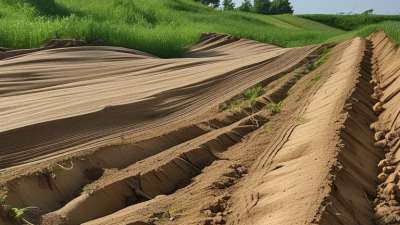
On a newly graded slope, loose soil can move quickly after one heavy storm. An erosion control blanket holds surface particles in place while vegetation develops. Its fibers create a textured layer over the soil. That texture reduces runoff speed and encourages moisture to remain near the seedbed. The result can be stronger early growth and less sediment leaving the site.
Performance depends on proper selection and installation. Engineers and experienced contractors assess slope steepness, soil type, rainfall, drainage, and expected vegetation. They also check anchor spacing, trenching, overlaps, and contact with the ground. A poorly secured blanket may lift, wrinkle, or allow water to flow beneath it. That limitation matters.
Blankets are not a universal fix. Some projects need drainage improvements, terracing, or structural reinforcement. Biodegradable options may suit short-term vegetation growth, while synthetic products can provide longer protection. Product specifications should be reviewed carefully. Local environmental requirements should guide the final choice.
Reliable soil protection requires observation after installation. Inspectors should look for exposed edges, damaged areas, and concentrated runoff. Small repairs can prevent larger failures. The best approach combines suitable materials, careful installation, and realistic site assessment. Even a quality blanket cannot correct an unstable slope by itself.
What Is an Erosion Control Blanket and How Does It Work?
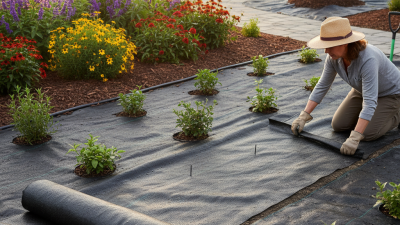
An erosion control blanket is a permeable sheet placed over exposed soil. It may contain straw, coconut fiber, wood fiber, or synthetic mesh. The blanket reduces the force of falling rain and moving surface water. It also holds loose soil in place during early plant growth.
In practice, the material works like a temporary shield. Rain strikes the blanket instead of directly hitting bare ground. Water moves more slowly across its textured surface. This reduces soil particle movement and shallow rilling. Seeds remain closer to the ground, where moisture and warmth support germination. As roots develop, they gradually strengthen the soil structure.
Installation quality affects performance. The soil should be graded, lightly compacted, and cleared of large stones. The blanket must touch the ground closely, with edges trenched and secured by suitable staples. Gaps can become channels for runoff. That detail matters. On a steep slope, poor anchoring may allow the blanket to slide during heavy rain. Field inspections after storms can reveal lifted edges, exposed soil, or blocked drainage paths.
An erosion control blanket is not a cure-all. It cannot replace proper slope design, drainage planning, or vegetation management. Some biodegradable materials also break down faster in wet conditions than expected. Choosing the right type requires attention to slope angle, rainfall, soil texture, and intended service life. Local soil and weather records provide useful evidence before installation.
How Erosion Control Blankets Prevent Soil Loss
Bare soil can lose its structure quickly. The FAO’s Status of the World’s Soil Resources report estimates 25–40 billion tonnes of topsoil are lost globally each year through erosion. Rainfall is a major trigger, especially on freshly graded slopes. An erosion control blanket creates a physical shield between soil and falling water. Its fibers absorb raindrop energy, reducing splash erosion and preventing loose particles from moving downhill.
The blanket also increases surface roughness. Runoff slows as it passes through the woven or fibrous layer. Sediment becomes trapped instead of entering drains and streams. USDA NRCS Conservation Practice Standard 484 identifies surface mulching as a method for reducing erosion, conserving moisture, and supporting vegetation establishment. Field guidance from the Federal Highway Administration also recommends rolled erosion-control products for stabilizing exposed slopes during plant growth. Proper installation matters more than many project plans admit.
The material must touch the soil. Gaps can form small channels. Contractors usually anchor edges, overlap seams, and bury the upper end in a shallow trench. On a steep bank, check dams or diversion channels may still be necessary. A blanket is not a cure. FHWA guidance notes that performance depends on rainfall intensity, slope length, soil type, and installation quality. That uncertainty deserves attention. A poorly secured blanket can lift in wind, collect water, or fail beneath concentrated flow before roots become established.
Key Benefits for Vegetation Growth and Ground Stability
Why Choose Erosion Control Blanket for Soil Protection?
An erosion control blanket protects exposed soil while new vegetation develops roots. During field inspections, I have seen bare slopes lose fine soil after one heavy storm. A properly installed blanket slows flowing water and keeps seeds from washing downhill. It also reduces surface drying, helping grass and native plants establish more evenly. Better root coverage improves ground stability over time. The blanket is not a magic layer. Poor grading, weak drainage, or loose anchoring can still cause failure.
Tips: Match the blanket to slope steepness, rainfall, and expected runoff. Prepare a firm, smooth seedbed before installation. Place edges in shallow trenches and secure overlaps tightly. Check the surface after strong rain. Small lifted sections need quick repair. Do not bury young plants under excessive material, because growth may become thin or uneven.
Vegetation growth depends on more than moisture. Good soil contact, suitable seed selection, and regular inspection matter as well. On a steep bank, I would use closer anchors and inspect channels near the slope base. On a gentle area, lighter coverage may be enough. Conditions vary, and this is where simple assumptions often fail. A blanket supports stabilization, but it cannot replace proper site design, drainage control, or ongoing maintenance.
Why Choose Erosion Control Blanket for Soil Protection? - Key Benefits for Vegetation Growth and Ground Stability
| Erosion Control Blanket Type |
Typical Service Life |
Typical Vegetation Establishment Period |
Recommended Slope Conditions |
Primary Soil-Protection Function |
Vegetation and Ground-Stability Benefits |
| Straw Fiber Blanket |
Approximately 6–12 months |
Approximately 3–12 months, depending on climate and seed selection |
Low to moderate slopes with low to moderate runoff |
Reduces raindrop impact, slows surface runoff, and limits soil-particle detachment |
Provides short-term moisture retention and light protection while grass and other ground cover become established |
| Straw–Coconut Fiber Blanket |
Approximately 18–24 months |
Approximately 6–18 months |
Moderate slopes and areas requiring longer temporary protection |
Combines rapid initial coverage with improved resistance to runoff and surface erosion |
Supports longer vegetation-establishment periods and helps maintain a more stable soil surface during early root development |
| Wood Fiber Blanket |
Approximately 12–24 months |
Approximately 3–18 months |
Low to moderate slopes and channels with controlled flow conditions |
Absorbs rainfall energy and reduces sheet erosion and shallow rilling |
Helps retain moisture around seeds and protects developing seedlings from surface washout |
| Coconut Fiber Blanket |
Approximately 24–60 months |
Approximately 6–24 months |
Moderate to steep slopes, shorelines, and higher-flow areas when properly designed |
Provides durable surface reinforcement and slows runoff across exposed soil |
Maintains erosion protection while vegetation develops; long-lasting fibers can contribute to improved surface stability |
| Synthetic or Permanent Turf-Reinforcement Mat |
Typically 5 years or more, depending on material and exposure |
Approximately 3–24 months |
Steep slopes, drainage channels, and sites subject to higher hydraulic stresses |
Provides long-term reinforcement and improves resistance to concentrated flow and soil displacement |
Works with established root systems to increase shear resistance and help preserve the final vegetated surface |
Data note: Service life and vegetation-establishment periods are typical industry ranges rather than guaranteed performance values. Actual results depend on blanket specifications, installation quality, slope angle, soil type, rainfall intensity, drainage design, seed mix, temperature, and maintenance.
How to Choose the Right Erosion Control Blanket
Why Choose Erosion Control Blanket for Soil Protection?
How to Choose the Right Erosion Control Blanket
Choosing an erosion control blanket starts with the site, not the product label. Inspect the slope angle, soil texture, rainfall pattern, and expected vegetation growth. A light biodegradable blanket may suit gentle slopes with quick grass establishment. Steeper slopes or intense runoff may require stronger reinforcement and tighter anchoring. I have seen weak blankets fail when installers ignored concentrated water flow.
Match the blanket’s service life to the project’s planting schedule. Short-term natural fibers can protect bare soil while roots develop. Longer-lasting synthetic materials may be useful where vegetation grows slowly or erosion pressure remains high. Check tensile strength, opening size, coverage rate, and installation instructions. The blanket must touch the soil closely, without folded edges or exposed gaps. Small gaps can become large channels after one storm.
Tips: Walk the site after heavy rain. Look for lifted edges, sediment movement, and blocked drainage. Use enough staples for the slope and soil conditions. Extra anchoring is often safer than saving a few fasteners. Still, more is not always better. Poor placement can damage the surface or restrict seedlings. Consult an erosion-control professional when slopes are steep, soils are unstable, or runoff is difficult to predict. I once underestimated a clay slope; the blanket performed well, but the drainage design did not.
Best Practices for Installing and Maintaining the Blanket
Why Choose Erosion Control Blanket for Soil Protection?
Proper installation determines whether an erosion control blanket protects soil or simply covers it. The FAO and ITPS Status of the World’s Soil Resources report identifies erosion as a major threat to global soil health. On exposed slopes, a blanket slows raindrop impact, reduces runoff velocity, and helps retain seed and moisture. However, it cannot correct poor grading or unstable drainage.
Prepare a firm, smooth surface before installation. Remove stones, roots, and loose debris. Seed the soil before placing the blanket. Dig an anchor trench about 15 centimetres deep at the slope crest. Extend the blanket into the trench, backfill it, and secure it with closely spaced staples. Overlap adjacent rolls by at least 10 centimetres. Place additional anchors in channels and around slope breaks. The U.S. Environmental Protection Agency identifies sediment as a leading cause of water-quality impairment, so small installation gaps matter. A neat surface can still fail.
Tips: Inspect after heavy rain, not only during scheduled visits. Look for lifted edges, exposed soil, flowing water, and damaged staples. Repair small failures immediately with fresh soil, seed, and matching blanket sections. Keep drainage outlets clear. Do not mow until vegetation is firmly established. I would not treat every slope the same; steep, sandy, and shaded areas often need closer anchoring. Field practice is rarely perfect, and one missed wrinkle can redirect runoff.
Why Choose Erosion Control Blankets for Soil Protection?
Erosion control blankets help reduce raindrop impact, slow surface runoff, retain seed and soil particles, and support vegetation establishment. Proper installation is essential: secure the blanket in close contact with the soil, overlap adjoining sections, and anchor the edges and ends.
The chart shows common field-planning values used for blanket installation: a 7-inch trench for anchoring, 5-inch side overlaps, a 12-inch end overlap, and staples placed at approximately 36-inch intervals. Actual requirements vary by slope, soil type, rainfall, blanket category, and local specifications. Inspect the installation after major rainfall, repair exposed soil or loose staples promptly, and continue inspections until vegetation is established.