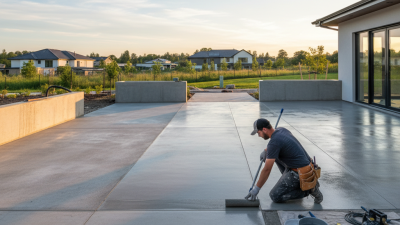
A driveway faces more than parked cars and passing weather. It absorbs rain, oil drips, road salt, tire marks, and damaging sunlight. Over time, untreated concrete can look dull, develop stains, or lose surface strength. Choosing the right concrete sealer for driveway protection may slow these problems and preserve a cleaner appearance.
This guide examines seven highly regarded concrete sealers for different driveway conditions. We consider surface type, coverage, durability, finish, application method, and drying time. Penetrating sealers can protect without changing the appearance much. Film-forming products may create a richer sheen, but they can become slippery or peel when preparation is poor. Product labels matter. So does the climate.
Preparation is often the difference between success and disappointment. A driveway should be clean, dry, and free from oil before sealing. Small cracks and damaged joints also need attention. I have found that rushing this stage usually creates visible flaws later. That is not the sealer’s fault entirely. Still, no product performs perfectly on every driveway. Temperature, moisture, traffic, and concrete age can change the result. Weighing these practical details makes the recommendations more useful than relying on glossy claims. Each option below is assessed for realistic residential use, with attention to manufacturer guidance and common homeowner mistakes. The best choice may not be the most expensive one. It should match your driveway’s condition, finish preference, and maintenance routine.
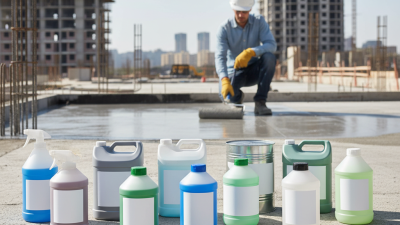
The best driveway sealer is not always the glossiest one. Choice depends on traffic, climate, surface age, and desired appearance. These seven formulation paths cover practical options: water-based acrylic, solvent-based acrylic, epoxy, polyurethane, silane, siloxane, and silane-siloxane blends.
Acrylic sealers are easy to apply and create a noticeable satin or glossy finish. They suit decorative driveways but may need reapplication sooner under strong sunlight and heavy traffic.
Epoxy forms a hard film and resists stains well. However, it can yellow outdoors without suitable protection.
Polyurethane usually offers stronger abrasion and ultraviolet resistance, making it useful for busy driveways. It also demands careful surface preparation.
Penetrating silane sealers enter capillary pores and help repel water without changing the concrete’s appearance.
Siloxane provides similar protection, often with better resistance to moisture penetration.
Blended silane-siloxane products can balance absorption and surface repellency. They do not hide cracks or repair weak concrete.
Preparation matters more than many people expect. Remove oil, dust, old coatings, and standing water. A simple moisture test can prevent cloudy adhesion failures. Apply only after the slab has cured properly and the forecast remains dry. Keep the surface slightly textured for safer tire contact.
I have learned that a perfect-looking finish can still perform poorly when the concrete is damp. Recheck the surface after one season, because local weather often exposes mistakes sooner than laboratory claims.
7 Best Concrete Sealers for Driveways
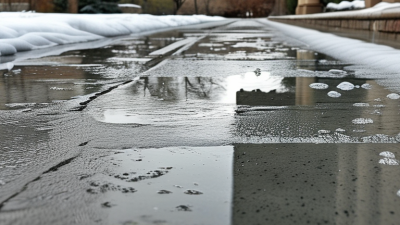
Choosing among the seven best concrete sealers for driveways requires more than checking gloss or price. ASTM C672 testing is a useful durability signal. It measures surface scaling after freeze-thaw cycles, often with deicing salts. Look for clear test conditions, exposure cycles, and documented results. A sealer that performs well in one climate may struggle where winters are harsher. This detail is easy to overlook.
Water resistance should be judged beyond surface beading. A reliable product should reduce water absorption while allowing trapped vapor to escape. Otherwise, moisture may blister the film or weaken the concrete surface. Check adhesion, abrasion resistance, UV stability, and expected service life. VOC information also matters. Read the safety data sheet and product label, then compare the stated VOC level with local requirements. Low VOC does not automatically mean excellent performance.
Tips: Test a small, hidden area first. Clean oil, dirt, and old coatings thoroughly. Apply only when the slab is dry and weather conditions match the instructions. A moisture meter can reveal hidden dampness. Keep records of temperature and coverage rate. Small mistakes matter. I would also question vague claims such as “permanent” protection, because real driveways face tires, salt, sunlight, and repeated wetting. No sealer wins every driveway.
This evidence-based scoring framework prioritizes freeze–thaw scaling resistance, water resistance, VOC compliance, and service durability. ASTM C672 uses a visual scaling rating from 0 (no scaling) to 5 (very severe scaling); lower VOC emissions and higher durability are preferred.
Interpretation: ASTM C672 scaling resistance receives the greatest weighting because driveway sealers must withstand deicing salts and freeze–thaw exposure. Water resistance and durability follow, while VOC performance supports safer application and regulatory compliance.
Choosing a driveway sealer by coverage alone is risky. The useful comparison includes seven formulas covering roughly 200–400 square feet per gallon. This ranking weighs coverage, penetration, abrasion resistance, and maintenance. It follows ACI 515.1R guidance on preparation and FHWA field research on water-repellent treatments. FHWA reports often show silane systems reducing chloride penetration by about 70–90% on sound concrete. Cracks remain unprotected.
Ranked first is penetrating silane, covering 300–400 sq. ft./gal. It preserves traction and suits sound, broom-finished slabs. Second is silane-siloxane, usually covering 250–350 sq. ft./gal. It offers broader moisture resistance, though absorption can vary.
Third is solvent-based acrylic, at 250–350 sq. ft./gal. It deepens color and dries quickly. Fourth is water-based acrylic, covering 250–325 sq. ft./gal. It produces lower odor but may wear sooner under tires.
Fifth is a silicate densifier, often covering 300–400 sq. ft./gal. It hardens dusty concrete but adds limited stain protection. Sixth is polyurethane, normally covering 200–300 sq. ft./gal. It resists chemicals and abrasion but requires strict moisture control. Seventh is epoxy, generally covering 200–300 sq. ft./gal. It forms a tough film, although poor preparation can cause peeling.
ASTM C672 scaling practice and ICRI surface-profile guidance support testing a small area first. Coverage changes with porosity, temperature, and spray technique. That part is easy to underestimate.
Choosing the best concrete sealer for a driveway depends on appearance, weather exposure, and expected service life. Acrylic sealers are popular because they enhance color and create a noticeable sheen. However, most acrylic coatings last only one to three years outdoors. Tire traffic, ultraviolet light, salt, and repeated freezing can shorten that period. They may need frequent recoating.
Silanes often provide a longer service life, commonly five to ten years, because they penetrate the concrete and reduce water absorption. Siloxane sealers and silane-siloxane blends offer similar protection for porous driveways. Polyurethane can provide stronger surface resistance, while epoxy gives a hard finish but may become slippery or yellow under direct sunlight. Fluorochemical sealers can resist stains, though their performance depends heavily on concrete condition and installation quality. No sealer is perfect.
Tips: Test a small hidden area first. The concrete must be clean, dry, and properly cured. Apply thin, even coats, and follow the manufacturer’s coverage rate. I once underestimated surface moisture, and the finish looked cloudy for days. Check weather forecasts before sealing. Avoid application during extreme heat, rain, or freezing conditions. Reinspect annually, especially near driveway edges and vehicle parking areas. A longer-lasting penetrating sealer may look less dramatic, but it often requires less maintenance.
A durable driveway finish starts with preparation, not the sealer itself. Remove oil, tire marks, dust, and loose concrete with a degreaser and stiff brush. Rinse thoroughly, then allow the surface to dry completely. Repair cracks and spalled areas before sealing. Uneven repairs may remain visible, even under a high-quality coating.
Check the concrete for moisture before application. Tape an 18-inch plastic sheet tightly to several areas, including shaded edges, and leave it for 16 to 24 hours. Condensation or darkened concrete indicates trapped moisture. Wait longer and test again. A moisture meter can provide useful evidence, but follow the sealer’s specific limits. New slabs commonly need about 28 days to cure, though product instructions may require more time.
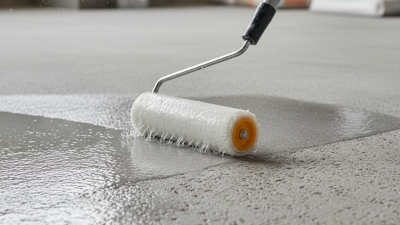
Apply the sealer during mild weather, preferably with temperatures between 50 and 90 degrees Fahrenheit. Avoid rain, strong sunlight, and heavy wind during the curing period. Use thin, even coats and prevent puddles near expansion joints. I once applied too heavily along a driveway edge, creating a glossy strip that cured unevenly. It looked acceptable from a distance, but sunlight exposed the mistake. Light foot traffic often requires 24 to 48 hours, while vehicles may need 48 to 72 hours. Cure times vary with humidity, shade, and concrete porosity. Test a small hidden area first.