Skip to content

2026 Best Concrete Sealer for Driveway Which One to Buy?

Choosing the best concrete sealer for driveway protection in 2026 requires more than comparing glossy finishes and low prices. A driveway faces tire abrasion, deicing salts, oil drips, ultraviolet exposure, and repeated freeze-thaw cycles. The Federal Highway Administration’s Concrete Pavement Preservation Guide identifies moisture and salt penetration as major contributors to surface deterioration. That evidence makes sealer selection a durability decision, not merely a cosmetic upgrade.

Professional guidance supports a testing-based approach. ACI 515.1R explains how penetrating and film-forming sealers behave on concrete surfaces. ASTM C642 measures absorption and permeable voids, while ASTM C672 evaluates scaling resistance under freeze-thaw exposure. These standards do not crown one universal product. They help buyers compare meaningful performance claims. NRMCA’s Concrete in Practice publications also emphasize curing, surface preparation, and moisture control before applying any protective treatment. Even an expensive sealer can fail on dusty or damp concrete.

Field experience shows that silane and siloxane products often suit porous driveways needing water repellency without changing appearance. Acrylic sealers can deepen color and create a visible film, but they may require more maintenance. Epoxy and polyurethane systems can resist chemicals strongly, though application conditions become less forgiving. There is no perfect answer. I would question any product promising permanent protection. Check independent test data, coverage rates, slip resistance, vapor limitations, and warranty terms. Then inspect a small test area beside the garage. The finish may look different in morning shade. That detail matters. A reliable 2026 buying decision balances verified performance, local climate, concrete age, and realistic maintenance expectations.
2026 Best Concrete Sealer for Driveway Which One to Buy?

What Makes a Driveway Concrete Sealer the Best Choice in 2026

A driveway concrete sealer is not “best” because of a glossy finish alone. In 2026, the strongest choice should protect against water, road salt, ultraviolet light, and repeated tire pressure. It must also suit the driveway’s age, climate, and surface condition. A penetrating sealer often works well for sound concrete because it reduces water absorption without creating a thick film. Film-forming sealers can add color and shine, but they may peel when moisture becomes trapped underneath.

During driveway inspections, I look for hairline cracks, powdery areas, oil marks, and previous coating failure. These details affect sealer performance more than advertising claims. A reliable product should provide clear coverage rates, curing times, slip-resistance information, and temperature limits. Low odor and lower emissions are useful, especially near occupied homes, but performance should remain the priority. Read the technical data sheet.

Preparation still decides much of the result. The concrete should be clean, dry, and free from curing compounds or loose dust. I once sealed a driveway too soon after washing it, and cloudy patches appeared. That mistake changed my process. Now, I test a small hidden section first and wait for stable weather. No shortcuts. The surface should not feel cold or damp, and rain should not threaten during curing. Even an excellent sealer can fail when applied too heavily, too early, or onto damaged concrete.

How to Compare Concrete Sealer Types for Different Driveway Needs

2026 Best Concrete Sealer for Driveway: Which One to Buy?

Choosing a driveway sealer starts with the surface, not the product label. I inspect age, cracks, stains, drainage, and previous coatings before comparing formulas. A penetrating silane or siloxane sealer suits porous concrete exposed to rain, freeze-thaw cycles, and deicing salts. It reduces water absorption while allowing vapor to escape. The finish usually remains natural and matte.

For richer color, an acrylic sealer creates a visible film and may produce a wet-look appearance. It can improve resistance to light stains, but hot tires and sunlight may cause premature wear. Reapplication is often needed. Polyurethane offers stronger abrasion resistance for busy driveways, although application requires careful moisture control and surface preparation. Epoxy can look durable, but it is less forgiving outdoors and may become slippery or yellow under ultraviolet exposure.

Test a small hidden area first. Always. The concrete should be clean, dry, and free from curing compounds. Follow the product’s coverage and temperature instructions, since thick application can trap moisture and create cloudy patches. In my field observations, many failures came from rushing preparation rather than choosing the wrong sealer. I have also seen penetrating sealers underperform on dense, polished concrete; that mistake is easy to make. A driveway with winter salt needs a different comparison than one needing only color enhancement. Check the expected traffic, climate, finish preference, and maintenance tolerance before buying.

2026 Best Concrete Sealer for Driveways: How to Compare Sealer Types

A practical comparison of common concrete sealer types for different driveway needs.

Scores use a relative 1–5 comparison based on typical technical characteristics. Penetrating silane/siloxane sealers generally offer strong water repellency and preserve breathability, while acrylic sealers provide stronger color enhancement and a wet-look finish. Polyurethane typically offers higher abrasion and stain resistance, whereas epoxy provides a hard, decorative surface but is less breathable and may be less suitable for outdoor UV exposure.

Product formulations vary. Always check the technical data sheet for UV stability, vapor permeability, slip resistance, coverage, and recoat requirements.

Which Features Matter Most When Choosing a Driveway Sealer

2026 Best Concrete Sealer for Driveway: Which One to Buy?

The most important feature is not shine. It is moisture control. Choose a sealer that reduces water absorption while allowing trapped vapor to escape. The Portland Cement Association notes that a water-cement ratio near 0.50 or lower generally improves concrete durability. However, sealer cannot repair weak concrete or hidden cracks. The base matters more than the label.

For driveways, prioritize penetration, abrasion resistance, and freeze-thaw protection. FHWA’s Concrete Pavement Preservation Guide identifies water infiltration as a major cause of freeze-thaw damage and joint deterioration. A penetrating silane or siloxane formula may suit exposed concrete better than a thick film coating. It usually leaves less surface buildup. Look for independent testing based on ASTM C642, ASTM C672, or similar standards. Also check resistance to deicing salts, tire scuffing, UV exposure, and wet slipping. Gloss can look attractive, but it may become slippery when overapplied.

Tips: Test a small hidden area first. Apply only to clean, dry concrete. Follow the product’s coverage rate, not instinct. A second coat is not always better. Inspect the surface after rain and one winter season. If water still darkens the slab quickly, the chosen sealer may be wrong—or the concrete may already be too porous. One detail is easy to miss: old oil stains can prevent even absorption. Scrub them thoroughly before testing.

How to Select the Right Sealer for Your Driveway’s Condition

Choosing the best concrete sealer in 2026 starts with the driveway’s condition, not the product label. Look closely first. A clean, dry driveway with light water absorption usually suits a penetrating silane or siloxane sealer. These treatments enter the pores without creating a glossy film. The Federal Highway Administration’s concrete preservation guidance identifies water and deicing chemicals as major drivers of freeze-thaw deterioration.

Older driveways need closer inspection. Pour a small cup of water onto several areas. If it darkens the concrete quickly, the surface remains absorbent. If water beads for several minutes, previous sealer may still exist. Oil stains, peeling coatings, and white salt deposits require cleaning and drying before resealing. The National Ready Mixed Concrete Association’s Concrete in Practice guidance emphasizes that moisture control and proper surface preparation strongly affect sealer performance.

For decorative concrete, a breathable acrylic sealer can improve color and reduce staining. However, it may wear faster under tires and winter grit. A penetrating sealer is usually less slippery and less visible, but it will not hide scratches or uneven color. No sealer fixes a moving crack. Repair that first. ASTM C672 testing also shows why freeze-thaw and deicing exposure deserve attention when evaluating protection. I would avoid sealing a damp driveway, even when the forecast looks favorable. That shortcut often creates cloudy patches, blistering, or uneven absorption. Surface temperature, porosity, drainage, and local winter conditions should guide the final choice.

How to Apply and Maintain Concrete Sealer for Long-Term Protection

Choosing the best concrete sealer for a driveway starts with surface condition, not advertising claims. ACI 515.1R-14 separates sealers into penetrating and film-forming types. Penetrating silane or siloxane products suit porous concrete and freeze-thaw exposure. Film-forming coatings can improve color and stain resistance, but they may trap moisture. FHWA’s Long-Term Pavement Performance program tracks over 2,500 pavement sections, showing how drainage, climate, and maintenance affect durability.

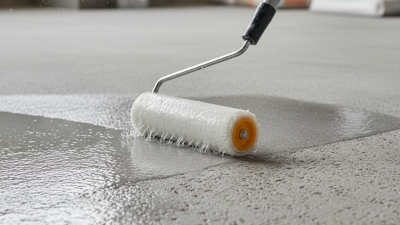
Preparation controls the result. Remove oil, dirt, and old loose coating with a suitable cleaner. Repair cracks first. The slab must be dry. Test a small area for darkening, whitening, or poor adhesion. I have seen a test patch look perfect at noon and fail after rain. Follow the product’s coverage rate, temperature range, and curing time. Apply thin, even passes with a roller or low-pressure sprayer. Avoid puddles near joints.

Maintenance should be practical. Inspect the driveway every spring and autumn. Watch for peeling, powdering, new stains, and water that no longer beads. Reapply only when performance declines. A common mistake is sealing too often. ACI guidance emphasizes compatible materials and proper surface preparation, while FHWA preservation data supports early attention to cracking and drainage. Keep vehicles away during curing, and avoid aggressive deicers when possible. Concrete sealers are not magic. Poor drainage can defeat good chemistry.

2026 Best Concrete Sealer for Driveway Which One to Buy? - How to Apply and Maintain Concrete Sealer for Long-Term Protection

Sealer Type Best Driveway Use Appearance Typical Service Life Typical Coverage Important Limitations
Penetrating silane/siloxane Best overall choice for standard exterior concrete exposed to rain, freeze-thaw cycles, and de-icing salts. Usually clear with little or no visible change; does not create a glossy film. Approximately 5–10 years, depending on climate, traffic, and product formulation. About 100–250 sq. ft. per gallon; porous concrete generally uses more. Does not hide stains, repair cracks, or provide a decorative film finish.
Acrylic, water-based Decorative driveways where fast drying, color enhancement, or a low-odor application is preferred. Clear, satin, or gloss; may deepen the color of stamped or colored concrete. Approximately 1–3 years in demanding outdoor conditions. About 150–400 sq. ft. per gallon, depending on porosity and coat thickness. Can wear sooner under turning tires, may require more frequent recoating, and should not be over-applied.
Acrylic, solvent-based Decorative or stamped concrete needing stronger color enhancement and a more pronounced finish. Typically richer, darker, and glossier than water-based acrylic. Approximately 2–5 years when properly applied and maintained. About 150–350 sq. ft. per gallon. Higher odor and volatile organic compound emissions; requires adequate ventilation and careful fire-safety practices.
Polyurethane High-wear decorative surfaces where improved abrasion, chemical, and tire-mark resistance is needed. Clear with satin or gloss options; may highlight surface texture. Approximately 4–8 years, subject to surface preparation and exposure. About 200–400 sq. ft. per gallon per coat. More sensitive to moisture and application conditions; generally costs more than acrylic.
Epoxy Covered or sheltered concrete where maximum film build and chemical resistance are more important than vapor permeability. Usually high-build, smooth, and glossy; decorative flakes or aggregate may be added. Approximately 5–10 years in suitable conditions. About 100–250 sq. ft. per gallon per coat. Generally not the first choice for uncovered driveways because ultraviolet exposure, moisture vapor, and freeze-thaw movement can cause failure.

Driveway Sealer Selection Guide

Driveway Condition or Goal Recommended Sealer Category Why It Fits Avoid or Check First
Plain concrete exposed to rain and winter weather Penetrating silane/siloxane Repels water while allowing most water vapor to escape and leaves the surface appearance largely unchanged. Do not apply over active leaks, standing water, or unresolved cracks.
Stamped or colored concrete requiring color enhancement Exterior-rated acrylic Enhances color and provides a visible protective film. Test a small area first; excessive film thickness can cause whitening, peeling, or slipperiness.
Driveway with frequent tire turning or chemical exposure Exterior-rated polyurethane Generally offers better abrasion and chemical resistance than basic acrylic. Confirm compatibility with the existing coating and verify moisture conditions before application.
New concrete driveway Product specified for new concrete Some sealers require the concrete to cure for about 28 days; others are designed for earlier application. Follow the product label and concrete contractor’s curing recommendations rather than using a universal waiting period.

Application and Maintenance Schedule

Stage Recommended Practice Typical Requirement Common Mistake to Avoid
1. Inspect Repair cracks, spalling, oil contamination, and loose material before sealing. The slab should be structurally sound and free from active water infiltration. Using sealer to conceal structural damage or moving cracks.
2. Clean Remove dirt, grease, algae, old loose coating, and efflorescence with a suitable cleaner. Rinse thoroughly and allow the surface to dry as required by the sealer. Leaving detergent residue or applying over trapped moisture.
3. Test Apply the sealer to a small, inconspicuous area. Check color, gloss, absorption, adhesion, and slip characteristics after drying. Assuming the finished appearance will be identical on every concrete surface.
4. Apply Use the specified roller, sprayer, or brush and spread evenly at the labeled coverage rate. Apply in suitable weather; many products require surface and air temperatures roughly between 50–90°F (10–32°C). Applying too thickly, creating puddles, or sealing during rain, heavy dew, or intense heat.
5. Cure Keep vehicles, pedestrians, water, and debris off the surface during the stated cure period. Light foot traffic may be allowed after several hours; vehicle traffic often requires about 24–72 hours, depending on the product and weather. Parking or turning tires on the surface before full cure.
6. Maintain Sweep regularly, clean spills promptly, and use a mild cleaner when needed. Inspect annually and recoat when water no longer beads or the film shows uniform wear. Using harsh solvents, abrasive equipment, or excessive pressure washing.

Note: Coverage, drying time, service life, temperature limits, and traffic restrictions vary by formulation and site conditions. Always follow the product’s current technical data sheet and safety instructions.