Skip to content

7 Best Types of Concrete Sealer for Global Buyers?

Choosing a concrete sealer is not simply a matter of selecting the strongest product. Concrete varies by porosity, age, moisture content, finish, climate, and intended use. A sealer that performs well on a dry warehouse floor may fail on a damp coastal walkway. Global buyers must also consider temperature changes, ultraviolet exposure, chemical contact, slip resistance, application equipment, and local VOC requirements.

Concrete-industry educator Bill Palmer expresses the practical principle clearly: “The right sealer depends on the concrete, the exposure, and the expected service.” That idea shapes this guide to the seven best types of concrete sealer for international purchasing decisions. The list examines acrylic, epoxy, polyurethane, polyaspartic, silane, siloxane, and lithium-silicate products. Each category offers a different balance of penetration, film formation, durability, appearance, curing time, and maintenance.

Performance is never guaranteed by a product label alone. Surface preparation matters. Moisture testing matters more than many buyers expect. A glossy finish can highlight tire marks, dust, or uneven troweling. Penetrating sealers may protect effectively while changing the appearance very little. Film-forming products can create stronger visual impact, but poor adhesion may cause peeling.

There is no perfect universal choice. That sounds obvious, yet purchasing teams still overlook it. This review compares practical strengths, limitations, application conditions, and buyer considerations. It also leaves room for caution, because real projects sometimes behave differently from laboratory data. A reliable decision begins with the concrete itself, not the marketing claim.
7 Best Types of Concrete Sealer for Global Buyers?

Concrete Sealer Basics: Purpose, Benefits, and Key Performance Factors

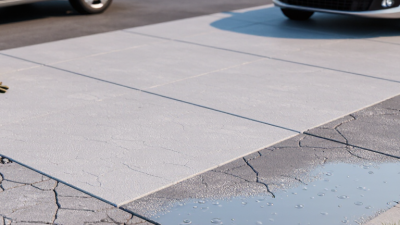
Concrete sealer protects cured concrete from water, salts, stains, abrasion, and repeated freeze-thaw stress. Its purpose is practical: limit harmful penetration while preserving the slab’s intended appearance and texture. ACI 201.2R identifies moisture movement as a major driver of concrete deterioration. The wrong sealer can trap moisture, create whitening, or make a walkway dangerously slick.

Global demand is linked to expanding construction activity. Oxford Economics and Global Construction Perspectives projected global construction output could rise 85% to 15.5 trillion dollars by 2030. Longer service life also matters. The 2023 UNEP Global Status Report states that buildings and construction produced 37% of global energy-related and process emissions in 2022. A durable surface may reduce repairs and replacement, although the result depends heavily on installation quality.

Key performance factors include penetration depth, vapor permeability, chemical resistance, abrasion resistance, UV stability, and slip behavior. Silane or siloxane treatments often suit exterior concrete because they repel water without forming a thick film. Acrylic systems can improve color and gloss, while epoxy and polyurethane coatings provide stronger surface protection in demanding areas. These categories are not interchangeable.

Read the substrate first. Check moisture, age, porosity, surface profile, and existing coatings. ASTM C672 can help evaluate scaling resistance, while ASTM C1202 measures electrical indication of chloride ion penetration. Laboratory results are useful, but field conditions are messier. Even excellent data cannot rescue a damp slab, poor cleaning, or uneven coverage. Expect some uncertainty.

Water-Based and Solvent-Based Sealers for Different Concrete Surfaces

7 Best Types of Concrete Sealer for Global Buyers

Concrete sealers differ by chemistry, surface condition, and expected traffic. The seven common types include water-based acrylic, solvent-based acrylic, epoxy, polyurethane, silane, siloxane, and penetrating silicate sealers. Each behaves differently after application.

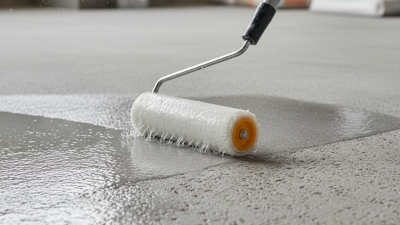
Water-based acrylic sealer suits interior floors, decorative concrete, and areas with limited ventilation. It produces lower odor and dries quickly, but may need more coats on porous concrete. Solvent-based acrylic usually deepens color and creates a stronger wet-look finish. It can perform well on stamped patios and driveways, although ventilation and local VOC requirements must be checked. The surface should be clean and fully dry.

Penetrating silane and siloxane sealers work well on exterior concrete exposed to rain, salt, or freeze-thaw cycles. They reduce water absorption without forming a thick film. Silicate sealers are useful for dusty, porous slabs because they react within the concrete and improve surface hardness. Epoxy offers strong adhesion for garages and industrial floors, while polyurethane adds abrasion and chemical resistance over a suitable base.

I have seen beautiful solvent finishes fail when moisture remained below the slab. That mistake is expensive. A small test area can reveal darkening, poor adhesion, or uneven absorption before full application. Water-based products are not automatically safer for every surface, and solvent-based products are not always stronger. Product data, concrete age, porosity, temperature, and maintenance plans should guide the choice. Some surfaces need preparation twice. That is easy to underestimate.

Acrylic, Epoxy, and Polyurethane Sealers: Uses and Differences

Choosing among seven concrete sealer types starts with the surface, climate, and expected traffic. Acrylic sealers suit decorative patios, driveways, and indoor floors with light to moderate use. They dry quickly and enhance color with a clear or slightly glossy finish. However, they can wear faster under vehicle tires, standing water, or strong sunlight.

Epoxy sealers create a harder film for garages, workshops, and commercial floors. They resist oil, chemicals, and abrasion better than basic acrylic products. Their weakness is ultraviolet exposure, which may cause yellowing outdoors. Surface preparation matters greatly. Concrete must be clean, dry, and mechanically sound. Test first. A small trial area can reveal poor adhesion or an unwanted sheen.

Polyurethane sealers offer strong abrasion and chemical resistance, making them useful in warehouses, kitchens, and busy walkways. They are usually thinner than epoxy and can tolerate sunlight better, depending on the formulation. Application requires careful control of temperature, humidity, and coating thickness. I have seen projects fail because installers trusted appearance instead of moisture readings. Penetrating silane, siloxane, and silicate sealers protect against water or dust without forming a thick film. Polyaspartic systems cure rapidly, but their short working time can challenge inexperienced crews. The “best” choice remains conditional, and that is easy to underestimate.

7 Best Types of Concrete Sealer for Global Buyers? - Acrylic, Epoxy, and Polyurethane Sealers: Uses and Differences
Sealer Type How It Works Best Uses Appearance and Finish Typical Performance Main Advantages Key Limitations Application Considerations
1. Water-Based Acrylic Forms a relatively thin film on the concrete surface and allows some vapor transmission. Decorative patios, stamped concrete, walkways, interior floors, and low-to-moderate traffic areas. Clear to slightly milky during application; available in matte, satin, or gloss finishes. Fast drying, moderate UV stability, and moderate resistance to water and abrasion. Typical service life is about 1–3 years in exposed areas, depending on traffic and maintenance. Low odor, easy cleanup with water, quick recoat time, and generally lower environmental impact than solvent-based alternatives. Less resistant to chemicals, hot tires, abrasion, and standing water than epoxy or polyurethane systems. Apply to clean, dry concrete when surface and air temperatures are within the product’s specified range. Avoid application before rain or on damp substrates.
2. Solvent-Based Acrylic Creates a thin, penetrating film that enhances the surface color while providing water repellency. Stamped or colored concrete, driveways, pool decks, decorative concrete, and exterior projects requiring color enhancement. Usually produces a deeper “wet-look” appearance with satin-to-high gloss options. Generally better color enhancement and moisture resistance than water-based acrylic. Typical service life is about 2–5 years, depending on exposure and maintenance. Fast application, strong color enrichment, good initial water resistance, and practical use on many decorative surfaces. Higher odor and VOC emissions than water-based products; can yellow or lose gloss with prolonged UV exposure, depending on formulation. Use only with adequate ventilation and follow local VOC regulations. Keep away from ignition sources during application and curing.
3. Epoxy Reacts chemically to form a hard, relatively thick film with strong adhesion and high surface build. Garages, warehouses, workshops, commercial floors, showrooms, and areas exposed to oils or moderate chemical spills. Clear or pigmented; typically available in glossy finishes and can be combined with decorative flakes or aggregates. Excellent adhesion, high hardness, and strong resistance to abrasion and many chemicals. Interior service life can often exceed 5 years when properly prepared and maintained. High build, strong bonding, attractive decorative options, and good resistance to oil, grease, and many chemicals. Can yellow or chalk under direct UV exposure; may become brittle compared with polyurethane; moisture vapor can cause blistering or delamination. Concrete must be mechanically prepared and sufficiently dry. Moisture testing is important before installation, especially on slabs over soil.
4. Aliphatic Polyurethane Forms a tough, flexible film with excellent abrasion, stain, and UV resistance. High-traffic commercial floors, retail areas, laboratories, garages, industrial floors, and decorative systems requiring color stability. Clear or pigmented; commonly supplied in satin, semi-gloss, or gloss finishes. Very good resistance to abrasion, chemicals, stains, and sunlight. A properly installed system may last about 5–10 years or longer in suitable interior conditions. Better UV stability and flexibility than many epoxies, plus strong resistance to wear and common cleaning chemicals. Usually more expensive and more sensitive to application conditions; surface preparation and mixing accuracy are critical. Often used as a topcoat over epoxy. Respect recoat windows, film thickness limits, ventilation requirements, and the manufacturer’s moisture limits.
5. Polyaspartic A fast-curing polyurethane-related coating that forms a durable film and can be formulated for high solids or rapid return to service. Garage floors, commercial facilities, cold-weather projects, fast-track renovations, and decorative broadcast flooring. Clear or pigmented, with matte-to-gloss options; commonly used with flakes, quartz, or anti-slip aggregates. Very fast cure, strong UV stability, good abrasion resistance, and good chemical resistance. System life commonly ranges from about 5–10 years or more when correctly installed. Short downtime, strong color retention, broad temperature flexibility in suitable formulations, and easy integration into multi-coat systems. Short working time can make application difficult; some formulations may have limited slip resistance unless aggregate is added. Plan labor and tools before mixing. Control slab temperature, pot life, humidity, and recoat timing to prevent defects.
6. Silane or Siloxane Penetrating Sealer Penetrates the pores and reacts within the concrete to reduce water and chloride-ion absorption without forming a visible surface film. Bridges, parking structures, exterior walls, roads, sidewalks, concrete facades, and freeze-thaw exposure areas. Usually leaves the original appearance unchanged, with little or no gloss and minimal color enhancement. Excellent water repellency and vapor permeability; does not provide significant protection against abrasion, oil, or surface scratching. Reapplication may be needed after several years, depending on exposure. Maintains a natural appearance, reduces moisture ingress, and lowers the risk of freeze-thaw and chloride-related deterioration when properly specified. Does not hide cracks, repair surface defects, or create a wear-resistant film. Performance depends strongly on concrete porosity and cleanliness. Apply to sound, absorbent concrete. Avoid sealing surfaces contaminated with oil, curing compounds, or heavy dirt until they are properly cleaned.
7. Fluorochemical or Oleophobic Penetrating Sealer Penetrates the concrete and reduces the surface energy, helping resist both water-based and some oil-based staining. Airports, food-service areas, public buildings, polished or architectural concrete, and floors where stain resistance is important. Generally invisible or low-change in appearance; normally does not create a glossy film. Good resistance to water and many stains while retaining vapor permeability. It is not designed to withstand heavy mechanical abrasion like a thick-film coating. Preserves the natural concrete appearance, supports easier cleaning, and can reduce absorption of food, beverage, and oil-based contaminants. Usually more expensive than basic water repellents; severe stains, standing chemicals, and heavy wear may still require prompt cleaning or a film-forming system. Confirm compatibility with polished, densified, or previously treated concrete. Conduct a small test area to verify stain resistance and appearance before full application.
Selection note: Actual service life, coverage, cure time, VOC level, and chemical resistance vary with formulation, concrete porosity, climate, traffic, preparation, and maintenance. For international projects, verify local VOC, worker-safety, slip-resistance, and transport requirements before purchase.

Penetrating Sealers: Silane, Siloxane, and Silicate Options

For global buyers, penetrating concrete sealers deserve close attention because they protect without forming a visible film. Silane molecules are small and enter dry, porous concrete deeply. They create water repellency while preserving vapor movement. Siloxanes have larger molecules and often suit older, more absorbent surfaces. They can provide strong resistance against rain, deicing salts, and splash water. Silicates behave differently. They react with free lime and densify the surface, improving abrasion resistance rather than creating strong water repellency.

Performance depends on concrete porosity, moisture, and application quality. NCHRP Report 244 found that silane treatments can significantly reduce chloride-ion penetration, although results varied by product chemistry and concrete condition. Field and laboratory studies cited by the U.S. Federal Highway Administration commonly report chloride reduction above 70% for suitable silane applications. That figure is useful, not universal. A damp slab may perform poorly.

A practical specification should include absorption testing, chloride exposure data, and service-temperature limits. ASTM C642 data can help compare porosity before purchasing. Silane usually fits bridges, parking decks, and exposed façades needing invisible protection. Siloxane may be more forgiving on masonry-like concrete, but its penetration can be shallower. Silicate works better where surface hardening matters, such as warehouses or polished floors. Surface preparation is often underestimated. Dust, curing compounds, and trapped moisture can defeat expensive chemistry. Buyers should request independent test reports, application rates, and recoat guidance. I would avoid promising a fixed service life; traffic, salt, and climate change the result.

This comparison uses a 1–5 index based on commonly reported technical characteristics of each sealer type. Silane and siloxane products generally provide strong water repellency while preserving vapor transmission, whereas silicate sealers are mainly used to densify and harden concrete surfaces.

How Global Buyers Can Compare, Select, and Apply Concrete Sealers

Global buyers should compare concrete sealers by exposure, surface condition, and application climate, not by product claims alone. Seven common options include acrylic, epoxy, polyurethane, polyaspartic, silane, silicate, and siliconate sealers. Acrylics dry quickly and enhance color, while epoxy forms a hard film for indoor floors. Polyurethane offers stronger abrasion resistance. Polyaspartic systems cure rapidly, but require careful timing. Silane and siliconate penetrate concrete and help reduce water absorption without creating a glossy film. Silicate sealers densify dusty slabs and are often selected for warehouses. No sealer is perfect.

Request technical data, safety information, coverage rates, curing times, and resistance results from each supplier. Compare performance at the same coverage rate. A low purchase price may hide higher labor costs. Check whether the sealer suits freeze-thaw cycles, strong sunlight, oil exposure, or frequent cleaning. Local temperature and humidity matter. I have seen good materials fail because installers ignored moisture in the slab. That mistake is easy to repeat.

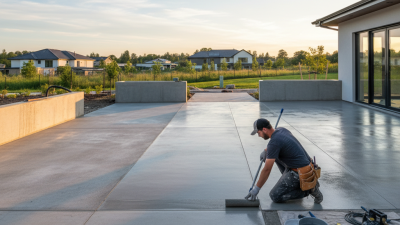
Before full application, clean a small test area and measure absorption, color change, slip, and adhesion after curing. The concrete should be sound, dry enough for the selected system, and free from curing compounds or grease. Use a moisture meter when available. Apply thin, even coats with compatible equipment, and respect the stated recoat window. Ventilation and protective equipment remain essential. Keep records of batch numbers, weather, dilution, and coverage. These details help buyers compare results honestly, although field conditions can still produce unexpected differences.