2026 Best Concrete Sealer Types for Global Buyers?
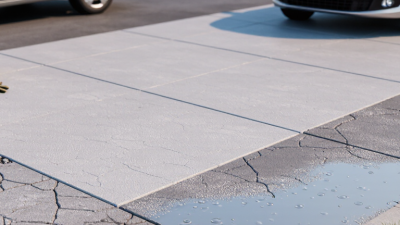
In 2026, global buyers need more than a glossy finish when selecting the best concrete sealer. Climate, substrate porosity, traffic, cleaning chemicals, and local emissions rules can change the correct choice. A sealer that performs well on a dry warehouse floor may fail on a humid coastal walkway. Blisters, whitening, tire marks, and peeling often begin with incorrect moisture testing.
Industry guidance supports a performance-based approach. The American Concrete Institute’s ACI 302.1R and ACI 515.1R publications emphasize substrate preparation, vapor conditions, curing, and service exposure. ASTM standards, including ASTM C309 and ASTM C1315, provide useful references for curing compounds and protective film-forming materials. Meanwhile, the U.S. Environmental Protection Agency continues to highlight volatile organic compound control, while regional requirements may differ across North America, Europe, and Asia. Buyers should verify the current product documentation, not rely on an old sales sheet.
The main options include acrylic, epoxy, polyurethane, silane, siloxane, and hybrid sealers. Penetrating silane and siloxane products can protect porous concrete from water and deicing salts without creating a thick surface film. Epoxy offers strong adhesion and chemical resistance, but sunlight and moisture can expose its limitations. Polyurethane usually improves abrasion and UV performance, although application costs may be higher. Market research from Grand View Research and other coatings-sector reports indicates continued growth in protective floor and concrete coating demand through the decade. Still, market growth does not guarantee product suitability. This guide compares the best concrete sealer types for global buyers using documented performance, field experience, lifecycle cost, and honest consideration of each product’s weaknesses.
Concrete Sealer Basics: Purpose, Composition, and Performance
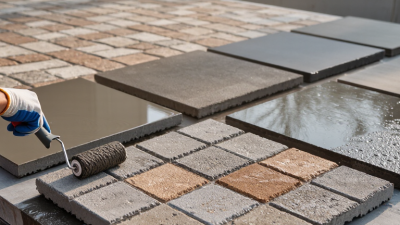
Concrete sealer protects a porous surface from water, salts, stains, abrasion, and weathering. It does not repair weak concrete. It also cannot hide poor curing, cracks, or contaminated surfaces. In site inspections, I check moisture, surface texture, and existing coatings before recommending any product. A clean test area often reveals more than a sales brochure.
Most sealers use acrylic, epoxy, polyurethane, silicate, or silane-based chemistry. Acrylic films can deepen color and provide economical protection, but they may wear faster under traffic. Epoxy offers strong adhesion and chemical resistance, yet sunlight can affect its appearance. Polyurethane usually provides better abrasion resistance. Silicate treatments react within concrete pores and increase surface hardness without forming a thick film. Silane and siloxane products mainly repel water while preserving a natural look.
Performance depends on more than composition. Application rate, concrete age, temperature, moisture, and preparation can change the result significantly. A damp slab may develop whitening, bubbles, or poor adhesion. Test small. Always. I once assumed a dense, polished floor needed a stronger film, but a penetrating treatment performed more reliably. That mistake still matters. Global buyers should compare technical data, coverage, service conditions, slip resistance, VOC information, and local compliance requirements. A practical sample, observed after cleaning and several weeks of use, offers the clearest evidence.
Main Concrete Sealer Types and Their Protective Properties
2026 Best Concrete Sealer Types for Global Buyers?
Main Concrete Sealer Types and Their Protective Properties
Concrete sealers solve different problems, so product selection should begin with exposure conditions. Penetrating silane and siloxane treatments repel rain while allowing vapor movement. FHWA technical literature reports chloride-ingress reductions of roughly 70–90% in suitable test conditions. They are useful for bridge decks, parking structures, and coastal pavements. Silicate densifiers react with cement compounds, tightening the surface and reducing dust. However, they offer limited protection against oils, acids, and visible cracking.
Film-forming sealers create a clearer barrier. Acrylic systems provide color enhancement, quick application, and reasonable ultraviolet resistance. Epoxy coatings deliver strong chemical and abrasion protection, but trapped moisture can cause blistering. Polyurethane and polyaspartic systems usually resist wear better, although skilled preparation remains essential. ACI 515.1R emphasizes substrate condition, compatibility, and service exposure when selecting protective systems. The chemistry matters.
Field conditions are less tidy than laboratory charts. A dusty slab, a cold night, or rising moisture can weaken an expensive coating. ASTM testing helps compare water absorption, abrasion, and freeze-thaw performance, but results do not perfectly predict every jobsite. I would not specify a sealer from price alone. A simple water-drop test, moisture reading, and small trial area can reveal problems early. The overlooked detail is surface preparation. Scrub marks remain visible. Misjudged gloss remains visible too.
How to Match Sealer Types with Concrete Conditions
Choosing the best concrete sealer starts with the slab, not the product label.
Check porosity, moisture, surface age, traffic, and local weather. On an exterior driveway, silane or siloxane sealers can reduce water absorption while preserving the concrete’s natural appearance. They usually suit freeze-thaw areas and exposed walkways. They will not hide oil stains or repair cracks. A small test area matters.
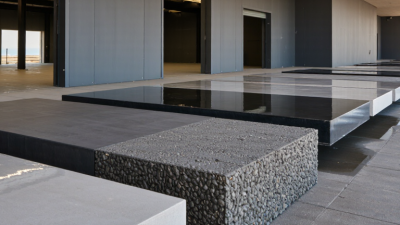
For polished indoor floors, a lithium or sodium silicate densifier can reduce dusting and improve surface hardness. It is not a thick protective film. Acrylic sealers can add color enhancement and suit light pedestrian traffic, but they may need frequent renewal.
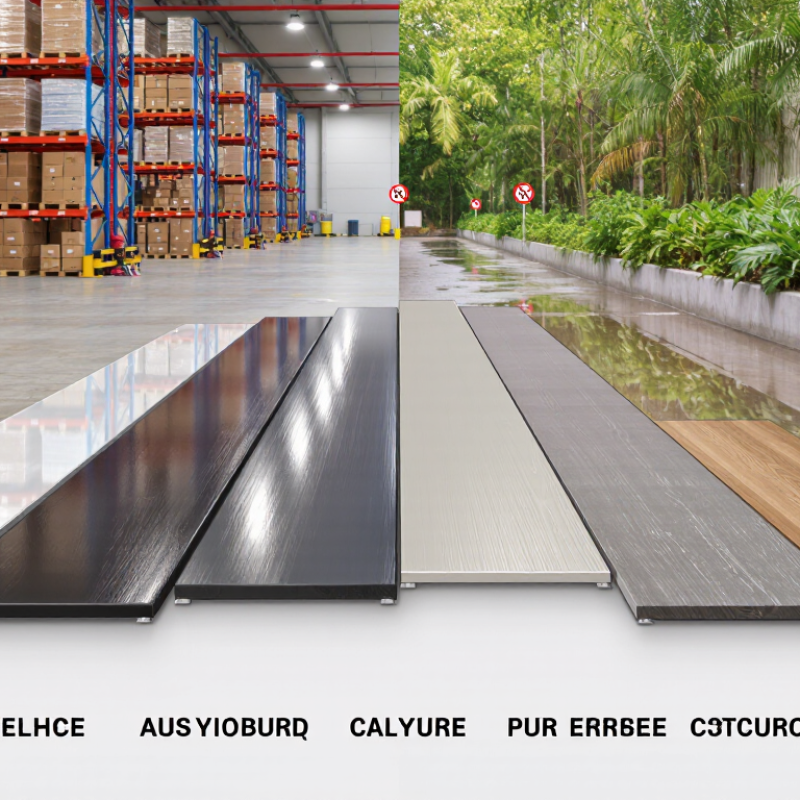
Epoxy and polyurethane systems offer stronger abrasion and chemical resistance for warehouses or workshops. However, they require careful moisture testing and surface preparation. Moisture can cause blistering or adhesion failure.
Match the sealer to the expected stress. A humid coastal balcony needs water resistance and vapor awareness. A busy retail floor needs abrasion performance and easy cleaning. In cold regions, confirm compatibility with deicing salts. Read the technical data sheet, then verify curing time, coverage, slip resistance, and local compliance requirements. Do not trust appearance alone. Field evaluations often reveal uneven absorption near repaired areas. That is where plans become imperfect. A second coat may improve protection, yet it can also create gloss variation or peeling if the first coat remains damp.
Application, Maintenance, and Selection Checklist for 2026
2026 Best Concrete Sealer Types for Global Buyers?
Application, Maintenance, and Selection Checklist for 2026
Concrete sealer selection should match exposure, not appearance alone. Penetrating silane or siloxane sealers help reduce water absorption without creating a surface film. Acrylic sealers enhance color and provide a practical finish for patios and decorative slabs. Polyurethane and epoxy coatings offer stronger chemical and abrasion resistance, but preparation must be precise. Field inspections often reveal the same mistake: buyers choose gloss before checking moisture, traffic, and climate.
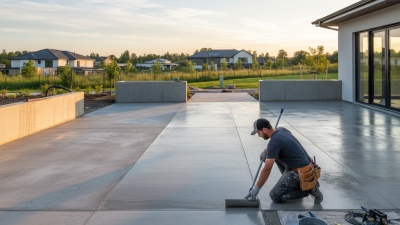
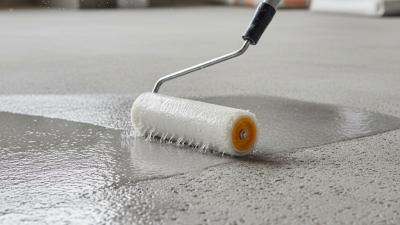
Application starts with clean, sound, and fully cured concrete. Remove curing compounds, oil, dust, and weak laitance. Check moisture with an approved test method. Apply a small test area first. Observe adhesion, color, slip resistance, and drying time. Follow the product’s temperature and humidity limits. In humid regions, trapped moisture can cause whitening or peeling. Thin, even coats usually perform better than one heavy coat. That lesson is easy to ignore.
Maintenance should include routine sweeping, prompt spill removal, and mild cleaning products. Avoid harsh chemicals unless compatibility is confirmed. Recheck high-traffic paths, joints, loading areas, and shaded surfaces every season. A useful 2026 checklist includes service environment, sealer type, substrate condition, local VOC requirements, expected lifespan, repair method, and installer skill. Keep batch records and application photos. They help later. However, no checklist predicts every site problem. A small trial area remains one of the most reliable decisions before large-scale application.