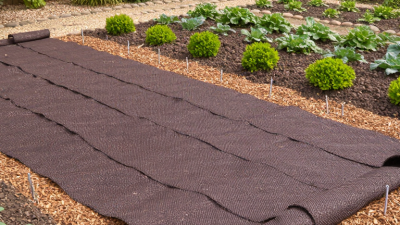
Why Choose Weed Control Fabric for Your Garden?
A weed-free garden is rarely effortless. After rain, seedlings can appear between stone edges, while grasses creep beneath raised beds. Weed control fabric offers a practical barrier, but its performance depends on material, installation, and maintenance. It is a tool, not a cure-all.
Product labels deserve close attention. ASTM International’s D4491 test measures water permeability, while D4751 evaluates apparent opening size. ASTM D4355 assesses resistance to ultraviolet-related deterioration. These standards help buyers compare relevant properties; they do not guarantee that every fabric will suit every garden. A dense, poorly matched material may restrict water movement, while exposed fabric can degrade under sunlight. Check the manufacturer’s test results and installation guidance.
University Extension guidance, including resources from Penn State and University of Florida IFAS, also highlights a common limitation: weeds may root in soil or mulch that collects above the fabric. Persistent perennial weeds can exploit seams and planting holes. That detail is easy to miss. Before laying fabric, remove existing weeds, overlap edges, and secure the surface carefully. Then inspect it each season, especially around shrubs and bed borders.
For paths, decorative beds, and some long-term planting areas, weed control fabric can reduce routine hand-weeding and help keep mulch in place. It may be less suitable where soil needs frequent amendment or plants spread freely. There is no universal best choice. A small trial section can reveal how the material handles your soil, rainfall, and maintenance habits before you cover an entire garden.
What Weed Control Fabric Is and How It Works
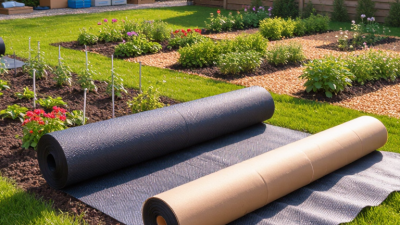
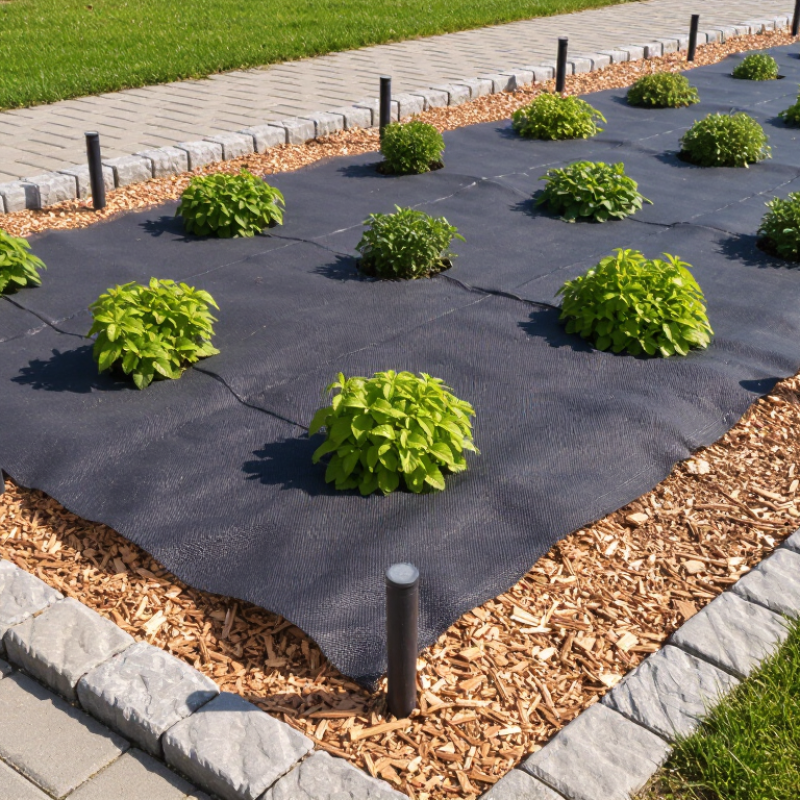
Weed control fabric is a permeable barrier laid over prepared soil. Woven types are usually made from synthetic fibers; some alternatives use biodegradable materials. The fabric blocks much of the light weeds need to grow, while openings allow water and air through. Performance varies. Check the material’s permeability before covering a bed, especially where seedlings need frequent watering. Light is the trigger.
The scale of weed pressure is real, though crop figures should not be mistaken for garden results. In a peer-reviewed review, agronomist E.-C. Oerke estimated that weeds account for about 34% of potential global crop losses (Journal of Agricultural Science, 2006). That figure does not measure fabric effectiveness. In a garden, careful fitting matters more: overlap seams, secure edges, and cut small openings around plants. Soil and leaf litter can collect on top, giving new weeds a place to root. I would not treat fabric as permanent or maintenance-free. It can also make later planting awkward, which is easy to overlook when a bed is newly installed.
Why Choose Weed Control Fabric for Your Garden?
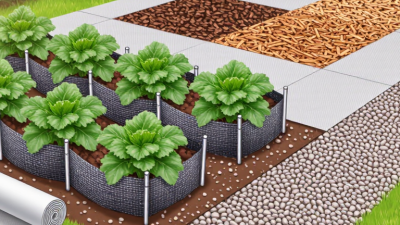
How common ground covers affect light and water at the soil surface
Ratings are general properties, not product test results: 1 means typically yes and 0 means typically no. Woven weed control fabric generally reduces light while allowing water through. Properties vary by material, and some weeds can still grow through gaps or in soil on top of the fabric.
Key Benefits for Garden Soil and Plant Growth
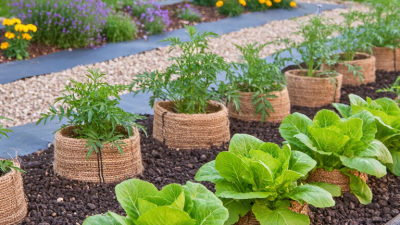
Weed control fabric can reduce competition around young vegetables, shrubs, and flowers. By limiting light at the soil surface, it slows many annual weeds before they crowd plant roots. Less competition helps. Plants may then use more of the available water and nutrients, especially during dry spells. The benefit depends on good installation: overlap seams, secure the edges, and cut openings only as wide as each plant needs. A loose edge can let weeds creep underneath. Check it after heavy rain.
Permeable fabric allows water and air to pass through, but performance varies by material and soil. On compacted ground, water may still run off instead of soaking in. Check the soil beneath the fabric occasionally; a handful should feel damp, not waterlogged. Fabric can also warm the soil, which may suit heat-loving crops but stress plants in hot weather. There is a trade-off. A surface layer of organic mulch can protect fabric from sunlight and make the bed look more natural, though it may also create a place for weed seeds to settle. Over time, roots and accumulated debris can complicate removal. That part is easy to overlook. Inspect the bed each season and adjust around plants that need room to spread.
Types of Weed Control Fabric and How to Choose
Weed-control fabric comes in three common forms. Woven polypropylene has visible crosshatched threads and suits paths or permanent beds. Spunbond fabric feels softer and often fits planted borders, while heavier nonwoven geotextile is better for drainage and soil separation than delicate garden beds. Not all fabrics block weeds equally.
Choose by water flow, light blocking, and how often you replant. ASTM D4491 measures geotextile water permeability; ASTM D4751 measures apparent opening size. Check product data sheets for both figures, rather than relying on “heavy-duty” claims. A high flow rate helps rain reach roots, but overly open fabric may let light through. That matters. For a sunny vegetable bed, use opaque fabric with planting slits and secure its edges beneath soil or mulch. In a damp, sloping bed, prioritize drainage and inspect the fabric after heavy rain. Organic mulch can hide the material, but soil and leaf litter accumulating on top may eventually support weeds. I would avoid fabric around plants that spread by runners; cutting openings larger later is messy, and roots can become trapped.
How to Install Fabric Around Garden Plants
Why Choose Weed Control Fabric for Your Garden?
How to Install Fabric Around Garden Plants
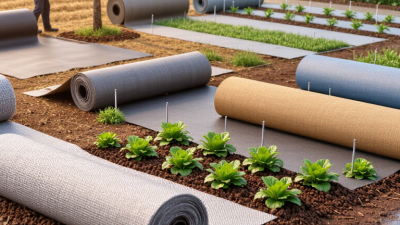
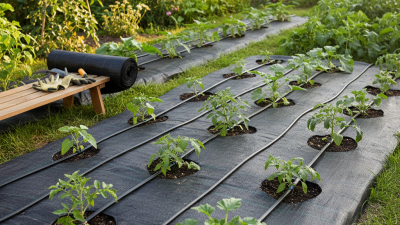
Clear the bed before laying weed control fabric. Pull out weeds, remove sharp stones, and rake the soil level. Water the ground if it is dry; fabric is easier to position on settled soil. Measure the bed and leave extra material at the edges. Around each plant, make a small X-shaped cut rather than a large opening. Keep the fabric clear of stems and crowns.
Slide the flaps around the plant, then smooth the fabric without stretching it tightly. Overlap adjoining sheets by about six inches to reduce gaps where weeds can emerge. Secure the edges and seams with garden pins, placing them closer together in windy spots. Cover the fabric with a thin layer of mulch to protect it from sunlight. Check that water passes through; fabrics differ, and some can slow drainage.
I’ve seen neat layouts become awkward when plants spread. Leave room for growth.
Tips: Use sharp scissors for clean cuts. Keep an eye on the openings after rain, and trim them if stems become crowded. A little unevenness is fine. Don’t force fabric around a plant.
Care, Limitations, and When to Replace the Fabric
Weed-control fabric needs regular inspection, not just installation.
Pull seedlings from seams before their roots anchor in the soil, and brush away leaves that collect on top. Small gaps matter. Water the bed slowly and check that it still reaches the soil beneath the fabric. The University of California Statewide IPM Program’s “Weed Management in Landscapes” guidance recommends a 2–4-inch mulch layer for weed suppression. Keep mulch away from stems and trunks; a thick, wet pile can cause other problems. Fabric also has limits: weeds can sprout in windblown soil or decomposing mulch above it, while persistent roots may exploit openings.
Check after storms.
Look for lifted edges, punctures from tools, thinning areas, and places where water pools instead of soaking through. These are practical warning signs, not a fixed replacement schedule: fabric life varies with sunlight, foot traffic, soil, and installation. Replace a section when it tears widely, stays clogged after debris is cleared, or no longer lies flat. Honestly, replacing every worn patch can feel fussy, but leaving a flap exposed often lets weeds take hold at its edge. Recheck the bed each season, especially around paths and newly planted shrubs.