Skip to content

Why Use Garden Fabric for Weed Control?

Garden fabric can make weed control more manageable, especially in paths, vegetable rows, and newly planted beds. It blocks sunlight before many weed seeds can grow. That simple barrier can reduce hours spent kneeling with a hand fork. It is not magic.

In my experience, the best results come from careful preparation. Remove existing weeds, level the soil, and overlap fabric edges by several inches. Secure the material with landscape pins, then cover it with a thin layer of mulch. Bare fabric can break down faster under strong sunlight. It can also look harsh in an otherwise natural garden. Small gaps matter. Weeds often appear beside stones, planting holes, and loose edges.

Quality horticultural guidance treats garden fabric as one part of an integrated weed-management plan. Fabric works well where plant spacing stays consistent, such as under shrubs or between crop rows. However, it may restrict future planting and can complicate soil improvement. Earthworms, compost, and seasonal cultivation still deserve attention. Some fabrics drain well, while tightly woven materials may hold water differently after heavy rain. Test a small area first.

Garden fabric is useful, but its value depends on installation, material choice, and garden purpose. A cheap product may tear when stretched around roots. A durable one may cost more initially but last longer. I have also found that no fabric removes maintenance completely. Wind moves mulch. Seeds arrive from nearby lawns. Regular inspection keeps a practical solution from becoming another neglected layer in the garden.
Why Use Garden Fabric for Weed Control?

What Garden Fabric Is and How It Controls Weeds

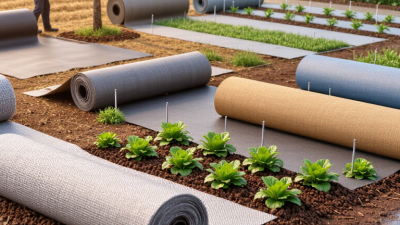
Garden fabric is a permeable sheet placed over soil to reduce weed growth. It is usually made from woven or nonwoven synthetic fibers. Small openings allow water and air to reach plant roots. At the same time, the fabric blocks sunlight from reaching weed seeds beneath it.

That missing light interrupts photosynthesis. Many young weeds weaken and die before reaching the surface. In practice, the fabric works best when the soil is cleared and leveled first. I have seen small weeds grow through loose seams, especially after heavy rain. Tight overlaps and landscape pins help prevent these gaps. Cut openings should fit closely around stems, but not squeeze them.

It is not magic. Wind can lift an unanchored edge, while dust and leaves can collect above the fabric. New weed seeds may also sprout in this thin layer of organic material. Checking the surface every few weeks makes removal easier. A light layer of mulch can improve appearance and protect the fabric, although excessive mulch may support new growth. The material also needs inspection after strong sunlight, frost, or digging. Some gardeners prefer fabric for paths and established beds, while others find hand weeding more flexible around frequently replanted crops. Its effectiveness depends less on the sheet alone and more on careful installation and regular observation.

How Garden Fabric Blocks Weed Growth Without Harming Crops

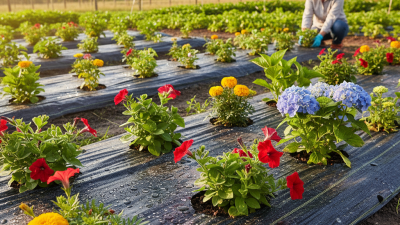
Garden fabric controls weeds by changing their growing conditions. A tightly woven layer blocks sunlight, so buried weed seeds struggle to produce leaves. The fabric still lets air and water pass when its weave suits garden use. This balance matters because crop roots need moisture, oxygen, and stable soil contact. In my planting beds, I have seen fewer weeds around tomatoes after covering exposed soil, especially along sunny edges. Results vary. Old roots can still push through weak seams or openings.

Crops remain unharmed when the fabric is installed with care. Cut openings just wide enough for stems, then leave room for growth. Never press the material tightly against a young stem. That pressure can trap moisture, rub tender tissue, or constrict the plant as it thickens. Secure the edges with pins or soil, since wind can expose weeds and roots. Water slowly and check whether it reaches the soil beneath. Dry patches may reveal poor contact or fabric that sheds water.

Professional maintenance also requires inspection. Lift a corner every few weeks and look for ants, mold, compacted soil, or hidden weed shoots. Organic mulch over the fabric can improve appearance, but excessive depth may keep soil too wet. I once left a small tear unrepaired, and weeds soon used it as a corridor. That mistake was avoidable. Garden fabric cannot replace hand weeding, crop rotation, or healthy soil management. Choosing permeable, UV-resistant material and removing it during seasonal cultivation protects crops more reliably.

Why Use Garden Fabric for Weed Control? – How Garden Fabric Blocks Weed Growth Without Harming Crops

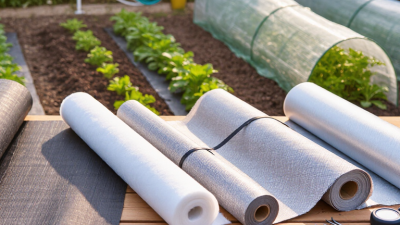
Garden Fabric Type Typical Material and Weight How It Controls Weeds Water and Air Movement Typical Use Duration Crop Compatibility Important Limitations
Woven polypropylene fabric Interlaced polypropylene strips; commonly about 90–130 g/m² Blocks most sunlight at the soil surface, limiting photosynthesis and reducing weed emergence. Permeable to rain, irrigation water, and air when the fabric is clean and properly installed. Often several growing seasons; service life depends on sunlight, foot traffic, soil exposure, and installation. Suitable for pathways, ornamental beds, shrubs, and crops planted through spaced openings. Weeds may grow through seams, cut edges, or accumulated soil on top; exposed fabric can degrade under ultraviolet light.
Spunbond polypropylene fabric Continuous nonwoven polypropylene fibers; commonly about 50–100 g/m² Creates a physical barrier and reduces light reaching weed seedlings. Generally allows water and air exchange, although fine soil can eventually clog the pores. Usually one to several seasons, depending on thickness and exposure. Useful around vegetables, flowers, and young plants when secured without covering stems. More prone to tearing than woven fabric; it must be pinned securely and kept away from sharp stones or tools.
Permeable frost or row-cover fabric Lightweight spunbond polypropylene; commonly about 15–30 g/m² Provides limited weed suppression by shading the soil, but it is mainly designed for crop protection. Highly permeable to air, water, and sunlight; the exact amount depends on fabric density. Typically used for one growing season or temporary crop protection. Can be placed over crops with hoops or supports, leaving enough space for plant growth. Does not block enough light to provide strong, long-term weed control and should not be confused with ground-cover fabric.
Biodegradable paper or fiber mulch Plant-based paper or cellulose fibers; thickness and weight vary by product Covers the soil, blocks light, and gradually decomposes as soil moisture and microorganisms break it down. Allows water penetration when intact; permeability can change as the material becomes saturated or decomposes. Generally one season, with faster breakdown in warm, wet conditions. Appropriate for many annual vegetables and flowers when the material is kept slightly away from plant stems. Can tear or decompose prematurely in heavy rain, high traffic areas, or poorly drained soil.
Woven natural-fiber fabric Natural fibers such as jute or coir; weight varies with weave and thickness Suppresses weeds by shading the soil and physically restricting early weed growth. Usually allows water and air movement, but the weave may become less permeable as it absorbs soil and organic matter. Usually one season to several seasons, depending on moisture, soil contact, and fiber type. Useful for slopes, erosion control, perennial beds, and gardens where gradual decomposition is preferred. May require more frequent replacement and can retain moisture against plant stems if installed too closely.
Installation and crop-safety principles: Garden fabric suppresses weeds without directly harming crops when it is installed flat, secured against wind, and cut only where plants are intended to grow. Keep the material from tightly touching stems, cover exposed edges with soil or mulch, and inspect regularly for weeds growing through seams or openings. Garden fabric reduces weed emergence but does not eliminate weeds already growing beneath it or those germinating in soil and mulch above it.

Choosing the Right Fabric for Different Garden Areas

Choosing the right garden fabric starts with the area, not the product label.

In vegetable beds, use a lightweight, woven fabric that allows water and air through. Secure it tightly around tomato stems, peppers, and paths. Research summarized in Agronomy reviews found black plastic mulches can raise soil temperatures by about 2–5°C. That warmth helps early crops, but it may stress cool-season plants during hot weather.

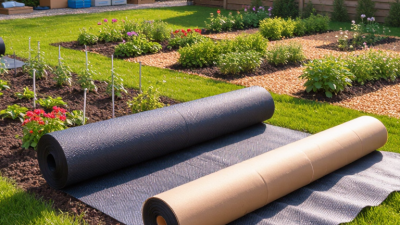
For gravel paths and ornamental borders, choose heavier woven fabric with strong tear resistance.

It should overlap by at least 15 centimetres at each seam. Landscape professionals often recommend anchoring every 30–60 centimetres, especially on sloped ground. The USDA Natural Resources Conservation Service emphasizes soil-cover planning, drainage, and erosion control rather than weed suppression alone. A fabric that blocks weeds but traps water can still damage roots.

Perennial beds need more judgment.

A permeable fabric may reduce annual weeds, yet persistent plants can grow through small openings. Cover the fabric with 5–8 centimetres of mulch, leaving space around crowns and trunks. Do not bury the stems. This detail is easy to miss.

Fabric is not maintenance-free.

Wind can expose edges, and soil can accumulate on top. In my own garden trials, neglected fabric became harder to remove after two seasons. That result was inconvenient, but useful. Check drainage after heavy rain, cut only necessary openings, and replace torn sections before weeds establish. A perfect barrier does not exist.

Steps for Installing and Securing Garden Fabric

Garden fabric works best when installed on prepared soil, not over thick weeds. Remove existing weeds, roots, and sharp stones with a rake. Level the bed carefully. Small bumps can create gaps beneath the fabric. I once skipped this step, and weeds quickly grew through a loose fold.

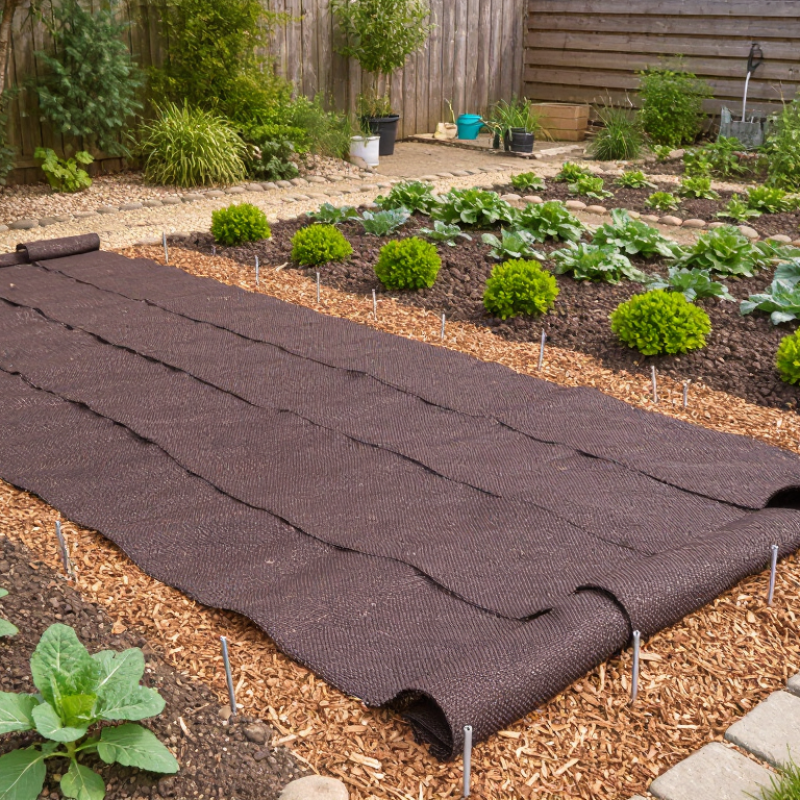
Measure the area before cutting the fabric. Add several inches along every edge for secure coverage. Lay the material flat, keeping its grain aligned with the garden rows. Overlap adjoining pieces by at least six inches. Wider overlaps reduce the chance of weeds finding sunlight. Cut small openings for plants, but avoid oversized holes. Excess space invites weed growth.

Secure the fabric with landscape pins every twelve to eighteen inches. Place extra pins along seams, corners, and exposed edges. Press each pin fully into the soil without tearing the material. Around established plants, leave room for stem growth and watering. Covering the fabric with mulch can protect it from wind and sunlight. Check the installation after heavy rain or strong wind. A lifted corner needs attention immediately. I still find that uneven soil causes problems later, even after careful preparation.

Why Use Garden Fabric for Weed Control?

Garden fabric blocks sunlight while allowing air and water to reach the soil. For a secure installation, overlap adjoining sections by at least 15 cm, bury the edges about 5 cm, place landscape pins approximately every 30 cm along exposed edges, and cover the fabric with about 5 cm of mulch to protect it from sunlight and wind.

Maintenance, Limitations, and Safe Removal of Garden Fabric

Garden fabric can suppress weeds, but it needs regular attention. In maintained beds, I check it every few weeks, especially after heavy rain. Soil settles around seams and creates openings for persistent weeds. Pull young weeds by hand before roots anchor beneath the fabric. Keep mulch shallow, usually two to three inches, so water can still reach the soil. Inspect exposed edges and secure loose sections with landscape pins. Small gaps become large problems.

Fabric has limits. It blocks many annual weeds, yet rhizomes and weeds growing through cuts can defeat it. It may also restrict natural soil improvement when left beneath organic mulch for years. Water can pool on compacted ground instead of soaking evenly. Check irrigation patterns and lift a corner during dry weather. I have sometimes treated fabric as a permanent solution. That was poor judgment. It is a maintenance layer, not a substitute for healthy soil and timely weeding.

Remove it carefully when it becomes brittle, clogged, or badly torn. Work on a cool, dry day. Cut plants away from the surface, then loosen pins with a hand tool. Pull slowly, because roots and irrigation lines may be caught underneath. Stop when resistance feels strong. Cut around the obstruction rather than yanking it. Shake loose soil back into the bed, collect fabric fragments, and inspect for missed staples. Dispose of it according to local waste guidance. Bare soil may need compost and fresh mulch afterward.