How to Choose the Right Garden Fabric?
Choosing the right garden fabric begins with understanding the job, the soil, and the local climate. A weed barrier for a vegetable bed faces different demands than frost cloth around young tomato plants. Material choice also affects water movement, root health, labor, and long-term waste.
The market deserves careful attention. The USDA’s 2022 Census of Horticultural Specialties reported $18.3 billion in U.S. horticultural sales. That figure reflects a large, professional industry with rising interest in productive growing spaces. The U.S. Environmental Protection Agency reports that outdoor water use represents about 30% of household water consumption. Fabric that blocks weeds while allowing rainfall to reach roots may support more efficient maintenance. However, performance depends on correct installation. Poorly placed fabric can trap moisture, overheat soil, or restrict expanding stems.
No fabric is perfect.
This guide will compare woven, nonwoven, breathable, reflective, and frost-protection materials. It will examine thickness, permeability, UV resistance, fastening methods, and expected service life. A thick woven sheet may suit a gravel path, while lightweight row cover protects seedlings without touching their leaves. The UNEP report Turning off the Tap also warns that plastic waste requires stronger circular design and disposal practices. That concern belongs in every buying decision. I may favor durable products, but durability alone does not guarantee suitability. Gardeners should question vague product claims and check measurable specifications. Reliable selection comes from matching the fabric to the crop, season, soil, and maintenance routine.
Classify Garden Fabrics by Function, Fiber, and 17–90% Shade Ratings
How to Choose the Right Garden Fabric?
Garden fabric works best when its function matches the problem.
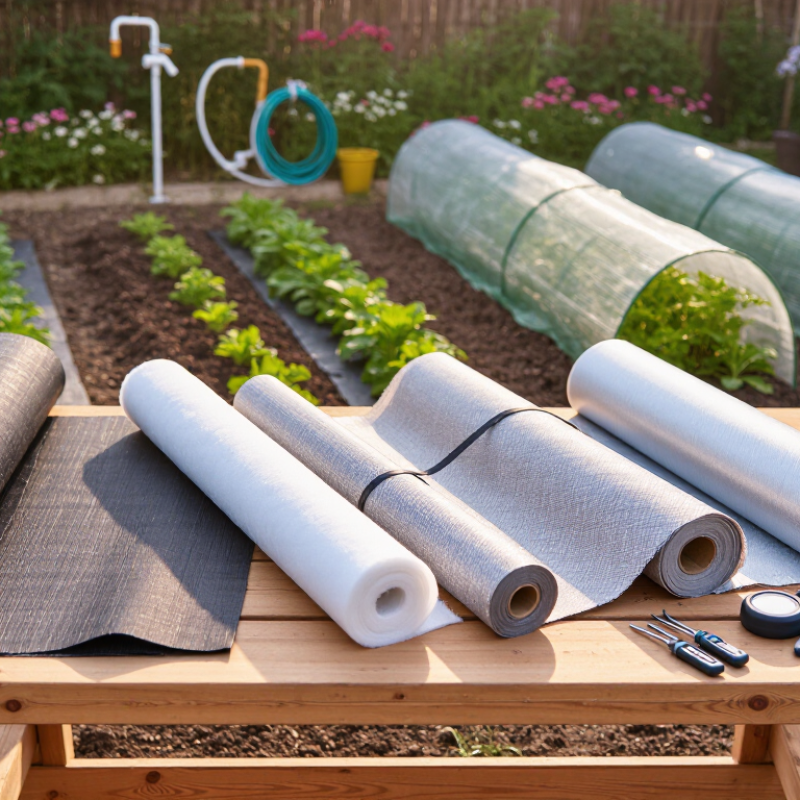
Frost cloth protects tender leaves during cold nights, while insect netting blocks pests without heavily reducing sunlight. Weed-control fabric covers soil and limits light beneath paths or planting beds. Windbreak fabric can reduce drying gusts, but tight installation may trap heat. Each material behaves differently.
Fiber matters, too.
Woven polyethylene is durable and handles repeated outdoor use. Polypropylene can feel lighter and suit short-term crop protection. Polyester fabrics often provide stable shade and resist stretching. Natural fibers may decompose, yet they can absorb moisture and weaken faster.
Check the weave, edge strength, and tear resistance before buying.
A low price is not always economical.
Shade ratings from 17% to 90% describe how much sunlight the fabric blocks.
A 17–30% rating usually suits herbs, seedlings, and light-sensitive greens.
Around 40–60% can help lettuce, young brassicas, and crops facing strong summer sun.
Ratings near 70–90% fit deep shade needs, but they may reduce growth for sun-loving plants.
Shade percentages are not universal. Fabric color, local humidity, season, and installation height also change results.
I once used heavy shade over young peppers and noticed weak, stretched stems. That mistake taught me to measure light and temperature, not guess.
Leave airflow around the canopy.
Monitor the plants every few days.
Match Row-Cover Weight to Frost Protection: 0.5–2.0 oz/yd²
How to Choose the Right Garden Fabric?
Row-cover weight determines how much frost protection your garden receives. Lightweight fabric, around 0.5 oz/yd², usually adds 2–4°F of protection. It suits lettuce, spinach, and other cool-season crops during light frost. Medium fabric, near 1.0 oz/yd², commonly adds 4–6°F. It works better for early tomatoes, peppers, and young seedlings. Heavy fabric, between 1.5 and 2.0 oz/yd², may provide 6–8°F when installed correctly. These ranges align with guidance from university extension programs and USDA-supported protected-culture research.
I check the local forecast before choosing fabric. A 0.5 oz cover may fail when temperatures drop below 28°F, especially in windy beds. Secure the edges with soil, sandbags, or landscape pins. Keep the fabric from pressing directly against tender leaves. Moist soil also stores daytime heat and improves overnight protection. Heavy fabric can trap too much heat during sunny afternoons, so ventilation matters. I have left covers on too long before. The result was soft, pale growth.
The University of Minnesota Extension recommends treating row covers as a temporary temperature buffer, not a replacement for frost-hardy crop selection. Actual performance changes with wind, humidity, soil moisture, and cover contact. Choose 0.5 oz/yd² for mild nights, 1.0 oz/yd² for moderate frost, and up to 2.0 oz/yd² for sharper cold. Check the crop beneath the fabric at sunrise. Forecasts are useful, but the leaves tell the truth.
How to Choose the Right Garden Fabric? - Match Row-Cover Weight to Frost Protection: 0.5–2.0 oz/yd²
Fabric Weight
(oz/yd²) |
Approx. Basis Weight
(g/m²) |
Typical Frost Protection* |
Typical Light Transmission |
Best Garden Uses |
Installation Guidance |
| 0.5 oz/yd² |
≈ 17 g/m² |
About 2°F (1°C) |
Approximately 85–90% |
Light frost, wind reduction, insect exclusion, and extending the growing season. |
Use directly over low-growing crops or on low hoops. Secure all edges to prevent wind lift. |
| 0.75 oz/yd² |
≈ 25 g/m² |
About 3°F (1.7°C) |
Approximately 80–85% |
Routine spring and autumn protection for lettuce, spinach, carrots, herbs, and young transplants. |
Leave enough slack for crop growth and support it with hoops when foliage may touch the fabric. |
| 1.0 oz/yd² |
≈ 34 g/m² |
About 4°F (2.2°C) |
Approximately 75–85% |
Moderate frost protection for leafy greens, brassicas, peas, strawberries, and early vegetables. |
Use hoops or a simple frame for repeated coverage. Vent or remove the cover on warm, sunny days. |
| 1.5 oz/yd² |
≈ 51 g/m² |
About 5–6°F (2.8–3.3°C) |
Approximately 65–75% |
Harder frosts, overwintering crops, tender perennials, and late-season harvest protection. |
Install over sturdy hoops with adequate headroom. Check moisture and ventilation during daylight. |
| 2.0 oz/yd² |
≈ 68 g/m² |
About 6–8°F (3.3–4.4°C) |
Approximately 50–65% |
Heavy frost protection, cold-sensitive crops, and short-term winter coverage. |
Use a strong frame and anchor the perimeter carefully. Remove or ventilate regularly to avoid overheating and excess humidity. |
*Frost-protection figures are approximate temperature gains under calm conditions when the fabric is installed close to the soil and the edges are well sealed. Actual performance varies with wind, humidity, soil moisture, crop size, and the quality of installation. Row cover is not a substitute for a heated structure during severe freezes.
Compare Weed-Control Fabrics by 90–130 g/m² Weight and Woven Design
How to Choose the Right Garden Fabric?
Compare Weed-Control Fabrics by 90–130 g/m² Weight and Woven Design
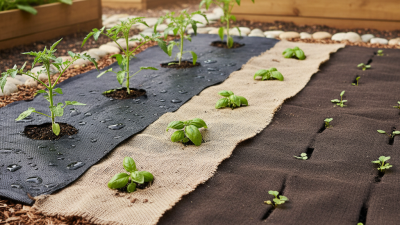
When choosing garden fabric, start with the site, not the label. In my vegetable beds, 90 g/m² woven fabric was easier to cut and carry around raised beds. Its open weave allowed rain to pass while reducing light around emerging weeds. It worked well under gravel paths and between seasonal crops. It also felt less forgiving. A sharp stone or loose staple could tear it during installation. Check the soil first.
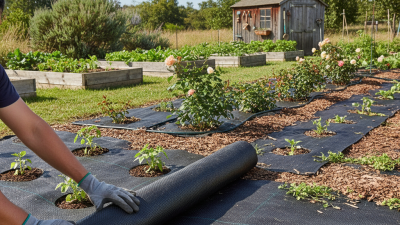
A 110–130 g/m² fabric usually offers a denser, sturdier construction. I prefer 130 g/m² for walkways, nursery rows, and areas exposed to tools or repeated foot traffic. The tighter woven design can resist stretching better, but it may drain more slowly on compacted soil. Do not judge water flow by appearance alone. Pour a bucket over a small sample. Observe runoff after ten minutes.
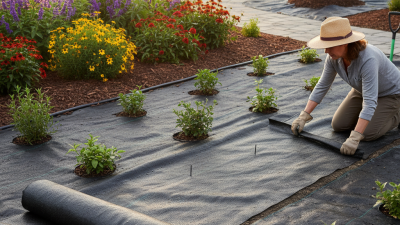
Look for UV-stabilized material, reinforced edges, and visible planting lines. Secure it with pins close enough to prevent wind lifting the fabric. Overlapping sheets by 15–20 cm helps limit weed gaps. I once left a narrow seam near a fence. Weeds found it before the seedlings did. That mistake changed my layout. Heavier fabric is not automatically better; it can be harder to cut, store, and remove when the bed changes.
Assess UV Stabilization, Airflow, and Water Permeability Before Buying
How to Choose the Right Garden Fabric?
UV stabilization is a key detail when selecting garden fabric for outdoor use. Sunlight can weaken untreated fibers, causing brittleness, fading, and tearing around staples. Look for clear information about UV stabilization and expected service conditions. A fabric rated for strong sunlight may still degrade sooner in hot, exposed gardens. Check a sample after several months. Small cracks matter.
Airflow affects plant temperature, humidity, and disease pressure. Tightly woven fabric can protect plants, but it may trap heat on calm afternoons. Hold the material near your face and breathe through it. This is not a laboratory test, but it reveals obvious restriction. Mesh size also matters. Tiny openings may reduce ventilation, while wide openings can allow insects to pass. Balance protection with local weather.
Water permeability deserves equal attention. Place a fabric sample over a container and pour one cup of water across its surface. Water should pass steadily instead of pooling for minutes. However, rapid drainage is not always ideal during dry weather. Some plants need moisture retention around their roots. Check whether the fabric sheds water, absorbs it, or allows controlled flow. Read the construction details, then test it in your own soil. Specifications help, but gardens often behave differently.
Verify Fabric Fit, Fastening, and ASTM-Tested Strength for Local Weather Loads
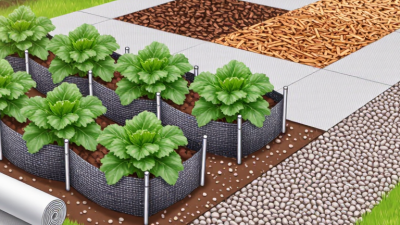
Choosing garden fabric starts with the opening, not the color. Measure the bed length, width, and height, then add overlap for seams. A loose cover catches wind like a small sail. Too tight, and clips can tear the edge. I have seen both failures after one windy night. That experience changed my measuring routine. Leave a controlled, even margin.
Local weather deserves numbers. ASCE 7-22 maps basic wind speeds from 90 to 180 mph across United States risk areas. These values are design inputs, not a promise that fabric survives them. Compare them with NOAA and National Weather Service gust records, plus seasonal hail, snow, and ice reports. For snow, estimate accumulated weight, not only wind. This step is often skipped. It should not be.
Ask for test reports naming ASTM methods, specimen direction, and conditioning. ASTM D5034 measures grab breaking strength, while ASTM G154 evaluates accelerated ultraviolet exposure. Neither test alone predicts a complete installed cover. Check tear behavior, seam strength, and fastener pull-out under wet conditions. Use wide, rounded clips and reinforced hems. Space fasteners closely where gusts strike. Avoid sharp wire. Reports without units, sample counts, or test dates deserve questions. I would retest after one season, because sunlight quietly changes flexible materials. ASTM results support comparison, but installation remains the weak link.
How to Choose the Right Garden Fabric?
Verify fabric fit, fastening, and ASTM-tested strength against the wind pressure expected at your site.
Reference wind pressure is calculated with q = 0.00256V², where q is pressure in pounds per square foot and V is wind speed in miles per hour. Actual design loads also depend on exposure, height, shape, openings, snow, ice, and local building-code factors.
Fit
Choose a fabric that covers the full growing area without excessive loose material that can flap or concentrate stress.
Fastening
Secure edges continuously and reinforce corners. Use closer attachment spacing where local wind exposure or gusts are higher.
Strength
Request a current ASTM D5034 grab-tensile test report and compare the tested result with the complete installed system, not fabric strength alone.