What is Decomposed Granite and How Can It Benefit Your Projects?
Decomposed granite is a natural stone product that has gained popularity in landscaping and construction. It consists of small particles created from the weathering of granite rock. This unique material provides numerous benefits that enhance outdoor spaces and projects. Its fine texture offers a visually appealing finish, while its durability makes it a practical choice for various applications.
Using decomposed granite can improve drainage in your landscape. This makes it perfect for paths, patios, and driveways. The natural colors and textures integrate seamlessly with a variety of aesthetics. However, it’s essential to consider its maintenance. Over time, decomposed granite can require replenishment to maintain its beauty and functionality.
Additionally, while decomposed granite can be a sustainable choice, not all sources are equally reliable. Researching the origin and quality is critical to ensure the best results. Balancing aesthetics, practicality, and sustainability can sometimes be challenging. The benefits of decomposed granite are clear, but understanding its limitations is equally important for successful project outcomes.
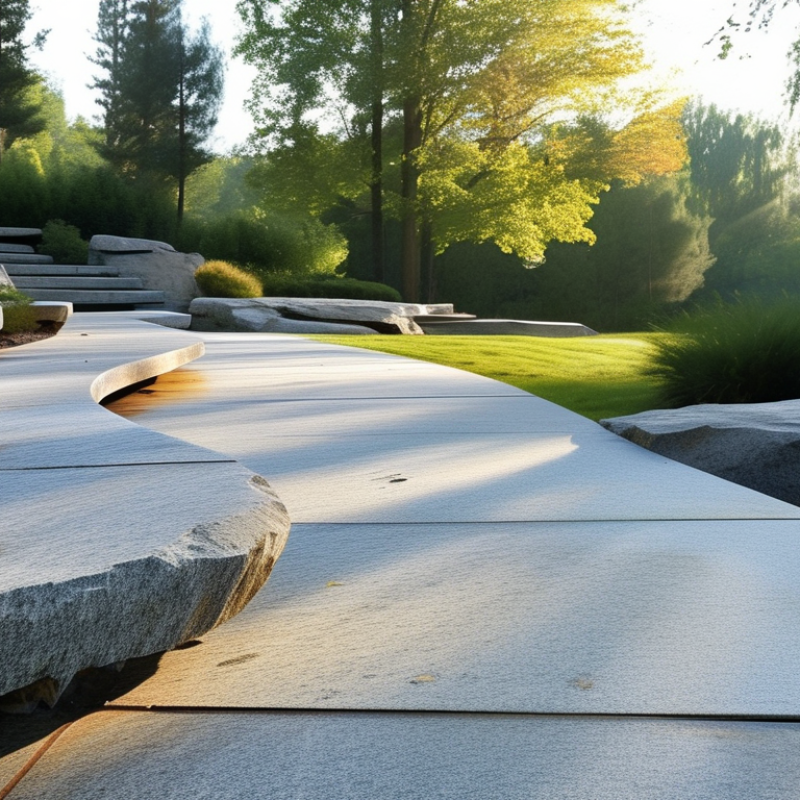
What is Decomposed Granite?
Decomposed granite is a versatile landscaping material that has gained popularity in various outdoor projects. It forms naturally from the weathering of granite, leading to a fine, sandy texture that is easy to work with. This material is often used in pathways, driveways, and garden beds. It compacts well, creating stable surfaces that are also aesthetically pleasing. The earthy tones of decomposed granite can enhance the visual appeal of any landscape.
Using decomposed granite can also positively impact drainage in your projects. Its porous nature allows water to flow through easily, reducing pooling and runoff. This can be particularly beneficial in areas with heavy rainfall. However, it’s essential to install it correctly; improper layering can lead to erosion over time. Some users might find it challenging to keep the surface tidy, as wind and foot traffic can disturb the loose material. Regular maintenance is needed to preserve its appearance and functionality.
When planning your project, consider how decomposed granite aligns with your goals. It offers flexibility, but it may not suit every design. For instance, in high-traffic areas, it may require more frequent replenishment. Weighing these factors is crucial for achieving a successful outcome with this natural material.
Benefits of Decomposed Granite for Landscaping and Projects
Types of Decomposed Granite Available in the Market
Decomposed granite (DG) is a popular landscape material. It comes in various types, each suited for different uses. The main types include natural decomposed granite, stabilized DG, and resin-coated DG.
Natural decomposed granite is loose and sandy. It provides excellent drainage, making it great for pathways and gardens. This type has a rustic charm that blends well with natural surroundings.
Stabilized DG includes a binder that enhances its cohesiveness. This makes it more durable and suitable for high-traffic areas. It's often used in driveways and patios.
Resin-coated decomposed granite is a newer option. It offers a smooth finish and strength. This type is useful in urban settings where aesthetics matter. While each type has its benefits, choosing the right one can be challenging.
It’s crucial to consider your project's specific needs. This requires careful thought and research to ensure the best outcome.
Benefits of Using Decomposed Granite in Landscaping Projects
Decomposed granite (DG) is a natural material made from weathered granite. It is crushed into small particles. This gives it a unique texture ideal for various landscaping projects. One of the most notable benefits of using DG is its affordability. Compared to traditional materials like stone or concrete, DG is much cheaper. This makes it an appealing option for budget-conscious projects.
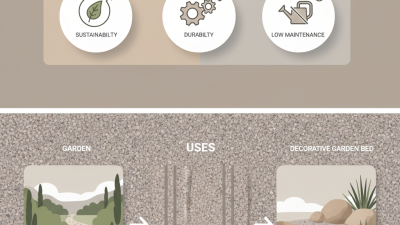
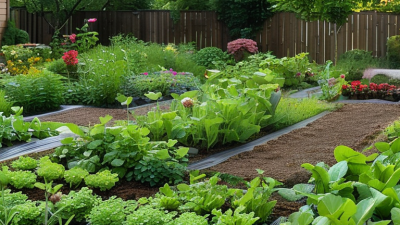
Another key advantage is its versatility. Decomposed granite can be used in pathways, patios, and garden beds. Its ability to compact makes it perfect for creating stable walking surfaces. Moreover, DG's porous nature allows water to drain effectively, reducing erosion and promoting healthy plant growth. However, it’s important to consider maintenance. DG may need occasional replenishing to maintain its aesthetic appeal.
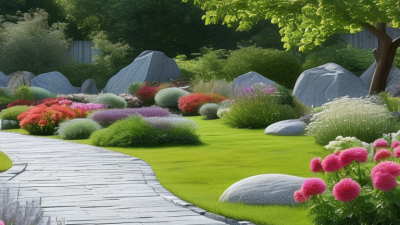
Using decomposed granite also enhances the visual interest of outdoor spaces. Its earthy tones blend well with various plant life. This creates a harmonious look in gardens. Nevertheless, some might find the dust that DG generates troublesome. Proper installation can mitigate this issue, but it's worth noting. Balancing the benefits and drawbacks is essential when choosing materials for landscaping.
Applications of Decomposed Granite in Construction and Drainage
Decomposed granite (DG) offers versatile solutions in construction and drainage projects. Its natural composition makes it a suitable choice for many applications. In landscaping, DG serves as an excellent ground cover. It creates a beautiful, rustic look while being eco-friendly. Homeowners appreciate its aesthetic value. However, improper installation may lead to erosion issues, requiring attention.
In construction, DG is often used for pathways and driveways. It compacts well, providing a stable base. This material can handle foot traffic effectively. Its permeability allows rainwater to drain, reducing puddling. However, depending on the location, it may require regular maintenance. Weeds can grow through DG, leading to a less tidy appearance.
For drainage, DG plays a critical role. Its structure promotes proper water flow. This reduces the risk of flooding in local areas. Yet, inadequate layering can compromise its drainage capabilities. Therefore, project managers must consider site conditions carefully. Understanding the right installation methods is crucial for success.
What is Decomposed Granite and How Can It Benefit Your Projects? - Applications of Decomposed Granite in Construction and Drainage
| Application Area |
Benefits |
Common Uses |
Durability |
| Landscaping |
Enhances aesthetic appeal and provides a natural look |
Garden paths, flower beds, and decorative borders |
Long-lasting and weather-resistant |
| Drainage |
Improves water drainage and prevents erosion |
French drains, erosion control, and retaining walls |
Resistant to shifting and settling |
| Paving |
Creates a stable surface for walking and driving |
Driveways, walkways, and patios |
Strong enough to withstand heavy loads |
| Road Construction |
Provides a solid base for road surfaces |
Subgrade material in roads and highways |
Stable under various weather conditions |
| Playgrounds |
Safe surface material that reduces impact |
Playground surfacing and walking trails |
Non-toxic and long-lasting |
Installation Tips for Decomposed Granite Surfaces
When choosing decomposed granite for your landscaping projects, installation techniques are paramount. The aggregate material consists of weathered granite that’s been crushed into fine particles. This gives it a distinct look and structure. According to the American Society of Landscape Architects, properly installed decomposed granite can improve drainage by up to 35%. This can be crucial for areas prone to water pooling.
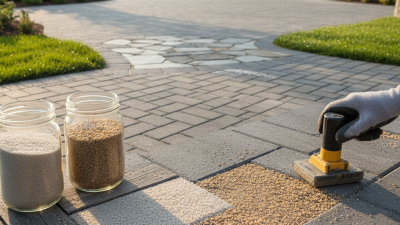
To start, prepare the area by removing existing grass and debris. Ensure the ground is level and firm. A base layer of compacted gravel is recommended. It provides stability and prevents shifting. Experts advise using a moisture barrier to control dust and maintain the integrity of the surface. Recent studies show that adding a stabilizer can increase durability by up to 20%, especially in high-traffic areas.
It’s essential to consider the grading of your decomposed granite surface. A gentle slope can facilitate water drainage. However, improper grading can lead to erosion and maintenance issues. Regular inspections are recommended. This ensures that the surface remains firm and visually appealing. Acknowledging these potential pitfalls can assist in planning for a sustainable installation.