Skip to content

What is the Best Weed Barrier for Your Garden Needs?

When planning your garden, choosing the right weed barrier is essential. A weed barrier helps prevent unwanted plants from taking nutrients and water from your desired plants. It can significantly enhance the health of your garden. Various types of weed barriers exist, each with unique advantages and drawbacks.

Understanding the best weed barrier for your garden requires some reflection. Some barriers may be effective but not long-lasting. Others might allow water passage but could let some weeds through. The material, thickness, and installation technique can greatly affect performance. Not every solution fits every garden situation.

While many gardeners yield great results with commercial products, a DIY option may be more suitable for others. Weighing options based on your garden's needs is important. Take your time to learn about the available materials. This can guide you in selecting a weed barrier that truly meets your specific gardening challenges.
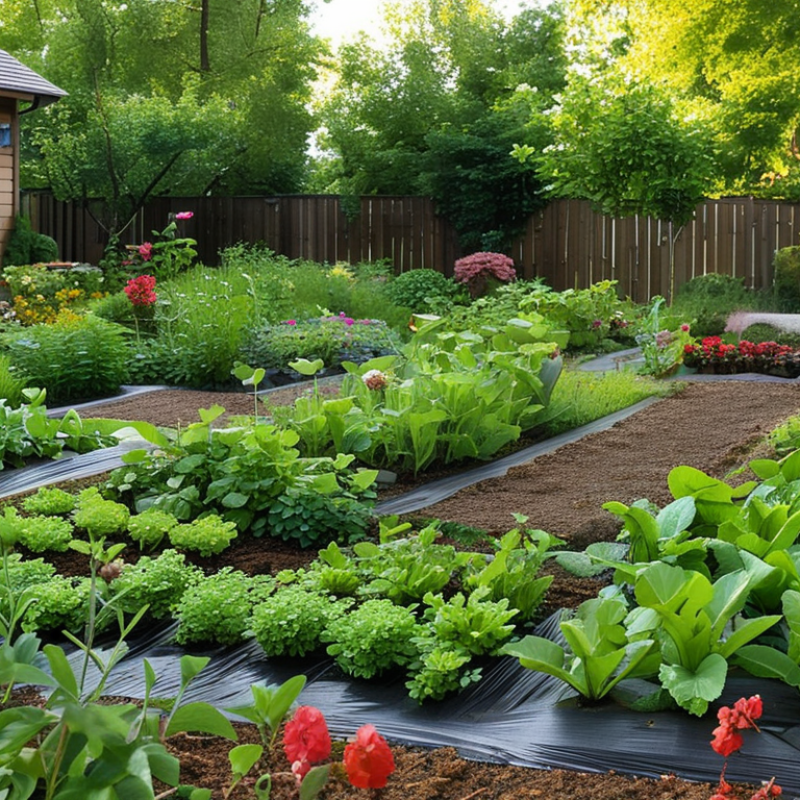
What is the Best Weed Barrier for Your Garden Needs?

Understanding the Importance of Weed Barriers in Gardening

Weed barriers play a crucial role in gardening. They help to suppress weed growth. Effective weed control can enhance the health of garden plants. According to a 2021 study published by the American Society for Horticultural Science, using weed barriers can reduce weed presence by up to 90%. This statistic underlines their importance in maintaining garden aesthetics and plant health.

Choosing the right weed barrier can be challenging. Various options exist, such as landscape fabric, plastic sheeting, and biodegradable materials. Each type has its advantages and limitations. For instance, landscape fabric allows water and nutrients to pass through while blocking sunlight. However, it may degrade over time, requiring replacement. Plastic sheeting is less permeable but can lead to water pooling issues. A research report from the University of California highlights that the choice of weed barrier significantly impacts soil moisture levels and nutrient availability in the long run.

It's essential to consider local climate and intended plant species when selecting a weed barrier. The effectiveness of barriers can vary based on these factors. Some gardeners may find themselves frustrated if the chosen barrier fails to meet their expectations. Testing different materials in specific garden conditions may reveal surprising outcomes. Reflecting on these experiences can lead to better choices in future gardening efforts.

Types of Weed Barriers: Pros and Cons

When choosing a weed barrier, understanding the types available is crucial. Organic mulch, for instance, offers a natural look and improves soil health. Studies show that it can reduce weed growth by 50-90%, depending on application thickness. However, it decomposes over time, requiring regular replenishment. This can add to garden maintenance, making it a less appealing choice for some.

On the other hand, synthetic fabrics are long-lasting and effective. Research indicates they can block up to 99% of light, significantly hindering weed growth. They also allow water and nutrients to penetrate, benefiting your plants. Yet, these materials can heat up the soil, potentially harming root systems. It’s important to monitor soil temperatures to ensure plant health.

Tips: Regularly check your barrier. If using organic materials, add new layers as needed. With synthetic options, inspect for damage or degradation. Keeping these factors in mind can guide decisions, ultimately leading to healthier gardens. Balancing aesthetics and practicality is key in selecting the right weed barrier for your needs.

How to Choose the Right Weed Barrier for Your Garden

Choosing the right weed barrier is crucial for successful gardening. Many gardeners overlook this essential step. The wrong barrier can lead to plant stress and poor growth. Research shows that a good weed barrier can reduce weed growth by up to 95%. This allows for healthier plants and less maintenance.

Consider materials when selecting a weed barrier. Options include landscape fabric, plastic sheeting, and biodegradable mulch. Landscape fabric is popular for its breathability. It allows air and water to reach the soil while blocking light. Plastic sheeting, while effective at weed prevention, can cause moisture buildup. Biodegradable options can enrich the soil as they decompose, but they need more monitoring.

Before making a decision, assess your garden's specific needs. How much sun does it get? What type of plants are growing? Your soil type matters too. Some barriers may not hold up well in sandy soils while others perform better. Monitoring your garden's health regularly ensures you can make necessary adjustments. Testing different barriers may lead to unexpected results. Don't hesitate to adapt your approach based on your gardening outcomes.

Installation Tips for Effective Weed Barrier Use

When installing a weed barrier, proper preparation is crucial. Start by clearing the area of weeds, rocks, and debris. A clean surface allows the barrier to work effectively. Use a garden hoe or a rake to ensure the surface is smooth. This step might take time, but it pays off by preventing weeds from penetrating the fabric.

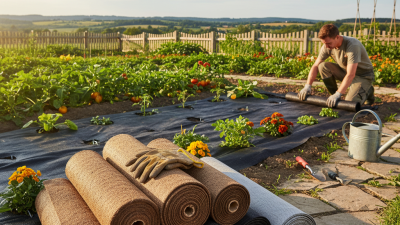
Once the area is prepared, place the weed barrier material down. Overlap edges by at least six inches to prevent weed growth in seams. Use landscape staples to secure the barrier in place. Make sure the staples are evenly spaced to prevent any lifting. If possible, use a utility knife to cut the material for a better fit around plants. This aspect is often overlooked, yet it significantly enhances effectiveness.

Monitor your barrier regularly. Even the best materials can wear down over time. Be prepared to replace sections where needed. Pay attention to areas where soil might shift. Regular maintenance ensures your garden remains weed-free and healthy. Remember, successful installation isn’t just about laying down material; it's about ongoing care and adjustment.

Maintaining Your Weed Barrier for Long-Term Garden Success

Maintaining your weed barrier is crucial for a flourishing garden. A well-kept barrier prevents weeds from overtaking your plants. Regular checks are essential. Look for any tears or shifts in the material. Addressing these issues promptly will save you time and energy later.

Tips: When inspecting your weed barrier, check for soil buildup on top. This can suffocate plants. Clear off any debris to allow moisture and sunlight in. Routine maintenance is the best defense.

Remember, not every barrier lasts forever. Natural decay over time is normal. If you notice thinning or disintegration, it's time to replace it. Weigh the materials when choosing a new barrier. Some are sturdier than others and require more investment upfront.

Tips: Use mulches on top of your barrier for improved durability. They can help protect it from sun damage. Find the balance between cost and longevity. You're not just protecting your plants; you're investing in your garden's future.

Weed Barrier Effectiveness Over Time

This chart illustrates the comparative effectiveness of different types of weed barriers over time, showing that landscape fabric and cardboard offer the highest effectiveness against weed growth.