Choosing the best stamped concrete sealer begins with the surface, not the product label. A glossy acrylic may deepen color on a shaded patio, while a penetrating sealer may suit a walkway exposed to rain and freeze-thaw cycles. The wrong finish can look slick, trap moisture, or leave a patchy sheen. Small details matter: the concrete’s age, existing coating, texture, and exposure all affect the result.
Decorative-concrete expert Chris Sullivan has written extensively about concrete finishing and protection. A practical takeaway from his guidance is simple: match the sealer to the concrete and its conditions, rather than choosing by appearance alone. That distinction helps homeowners compare acrylic, penetrating, and polyurethane products with clearer expectations. It also points to questions worth asking: Is the surface already sealed? Does the product change color? How often will it need reapplication? Check the manufacturer’s technical data sheet, and test a small, inconspicuous area first.
There is no perfect choice for every project. That is the part many buying guides gloss over. A wet-look finish may enrich a decorative pattern, but it can also emphasize surface flaws or require more upkeep. A matte sealer may preserve a natural appearance, yet offer less visual depth. This guide explains how to choose a stamped concrete sealer by weighing finish, traction, durability, application needs, and maintenance—so the final surface suits the setting, not just the sample on the can.
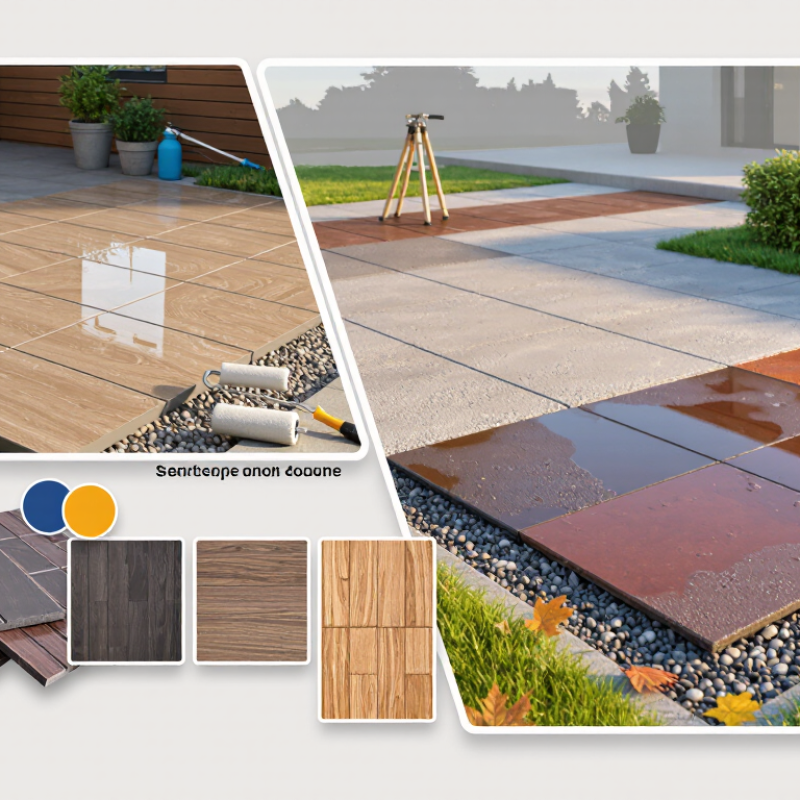
Understanding stamped concrete sealers starts with the surface: raised stone patterns, narrow joints, and colored release powder can all affect coverage. A film-forming acrylic sealer can deepen color and create a sheen, but excess material may turn cloudy or feel slippery when wet. Penetrating sealers usually change appearance less; they help limit water entry but may not produce the glossy “wet look” some owners expect. Test a small, inconspicuous area first. It can reveal more than a color chart.
Read performance data carefully. ASTM C309 sets a maximum water loss of 0.55 kg/m² over 72 hours for qualifying concrete curing compounds. That is a curing benchmark, not proof of long-term protection for decorative stamped concrete. ASTM C1315 covers compounds intended for curing and sealing, so check whether a product’s test documentation matches your actual use.
Also ask for data on water repellency, abrasion, and compatibility with the existing coating. Prep matters: trapped moisture or leftover release powder can undermine adhesion. I still find that step easy to underestimate. Allow the slab to dry as directed, then apply thin, even coats; a thick coat can leave glossy puddles in the pattern’s low spots.
A stamped concrete surface should be assessed before choosing a sealer. Look closely at the color, texture, and wear. Is the finish faded on sunny edges? Are darker areas holding moisture after rain? Note any flaking, powdery residue, or white mineral deposits. These signs can point to surface or moisture problems that a sealer will not fix.
Check what is already on the concrete. A water drop that beads may indicate an existing coating, while a drop that darkens the surface may suggest more absorbency. These are clues, not proof. Clean a small area and test the proposed sealer there, following its preparation and drying directions. Watch for uneven color, poor adhesion, or a slick feel. Stamped grooves can trap dirt and old coating, so inspect them closely. A smooth-looking test patch may not predict how the deeper pattern will behave. That is easy to overlook. Also consider how the area is used: a wet walkway needs dependable traction, while a sheltered patio may face more color fading than foot traffic. If the concrete stays damp or the existing coating is unknown, pause before applying anything. Surface assessment is not perfect, and a test patch has limits. Don’t treat it as a guarantee.
How to use this: Concrete is naturally alkaline. Carbonation can lower the pH at the surface, so pH helps describe the concrete’s condition but does not determine sealer compatibility on its own. Also check that the surface is clean, sound, and dry, and follow the sealer manufacturer’s preparation and moisture requirements.
Stamped concrete sealers differ mainly in appearance, moisture behavior, and wear resistance. Acrylic sealers form a visible film, deepen color, and are relatively easy to recoat, but traffic can wear them down. Penetrating silane or siloxane sealers usually preserve a more natural look and reduce water absorption, though they add little gloss. Urethane coatings can resist abrasion well, but surface preparation and application conditions matter. No single type wins everywhere.
Compare test evidence, not just sheen. ASTM C672 evaluates concrete scaling through 50 freeze-thaw cycles; its results can help assess exposure resistance, but they do not predict a sealer’s exact service life. ACI guidance on protective treatments also emphasizes matching the system to the concrete and exposure. For a sunny patio, consider UV stability and recoat needs. For damp areas, check vapor transmission and moisture compatibility. I would not choose by a wet sample alone; a small test patch may still miss seasonal behavior.
Tips: Check the technical data sheet for solids content, recommended coats, cure time, and traction guidance. Look for independent test results using relevant methods, such as abrasion or water-absorption testing. Keep a spare stamped-concrete sample, if available, and compare color after curing. Small detail. A glossy finish can look attractive, yet become slippery when wet.
Choosing a sealer starts with the conditions your stamped concrete actually faces. A shaded patio that stays damp needs different protection from a sunny driveway exposed to road salt. Consider water exposure, freeze-thaw cycles, foot traffic, and the finish you want. Penetrating sealers generally preserve a more natural appearance; film-forming sealers can deepen color and add sheen, but may show wear or become slippery when wet. Test a small, inconspicuous area first. Color can change more than expected.
Check technical data for breathability, recoat timing, and suitability for exterior use. The American Concrete Institute’s ACI 515.2R guide discusses selecting protective systems according to exposure and substrate conditions. For freeze-thaw areas, ASTM C672/C672M evaluates surface scaling under deicing-salt exposure over 50 cycles. That test is useful context, not a guarantee: results depend on the concrete and application, and it does not compare every sealer. Ask for test data on the full system, not just a claim about one ingredient.
Texture matters underfoot. A glossy film can make raised stamp patterns look richer, yet water may collect in low impressions. For steps or pool surrounds, prioritize traction and confirm that any texture additive is compatible with the sealer. Also compare VOC content against local requirements; limits vary by product category and location. I would not choose by gloss alone. It is an easy mistake.
| Sealer Type | Best Suited For | Appearance and Color Effect | Typical Protection | Maintenance Considerations | Important Limitations |
|---|---|---|---|---|---|
| Water-Based Acrylic | Patios, walkways, and other stamped concrete where a lower-odor coating is preferred. | Usually clear with a low-sheen to glossy finish, depending on the product. Often enhances color less than solvent-based acrylic. | Forms a surface film that helps resist water, stains, and weathering. | May need periodic reapplication as the film wears. Clean the surface and follow the product directions before recoating. | Application conditions and surface moisture can affect appearance and adhesion. Excess application may cause a cloudy or uneven finish. |
| Solvent-Based Acrylic | Stamped concrete where stronger color enhancement or a pronounced “wet look” is desired. | Often deepens the color and can produce a glossy finish. | Creates a protective surface film that helps limit water entry and everyday staining. | Inspect periodically for wear, peeling, or loss of sheen; recoat when appropriate for the product and surface condition. | Can have strong solvent odors and may contain higher VOC levels. Keep away from ignition sources and use only with suitable ventilation and safety precautions. |
| Penetrating Silane or Siloxane | Exterior surfaces where water repellency is a priority and a natural, non-film-forming appearance is preferred. | Generally leaves little visible sheen and does not substantially deepen color or create a glossy film. | Penetrates the concrete and reduces water absorption; it does not provide the same surface-film protection against abrasion or staining as acrylic coatings. | Reapplication depends on exposure and product guidance. Check water repellency periodically, especially in areas exposed to rain or de-icing salts. | Usually will not create a wet look or protect decorative color in the same way as a film-forming sealer. Suitability depends on the concrete and product formulation. |
| Polyurethane | Areas needing a tougher surface film, such as higher-use patios or walkways, when the product is specifically suitable for exterior concrete. | Can provide a clear, durable finish in a range of sheens. | Typically offers good resistance to abrasion and some chemicals. Exterior UV performance varies by formulation. | Surface preparation and compatibility with any existing sealer are important. Follow the specified recoat window and application instructions. | Some formulations may discolor in sunlight. A smooth or glossy film can become slippery when wet; consider an appropriate slip-resistant additive if permitted by the product instructions. |
| Epoxy | Primarily indoor applications where a thick, hard coating is desired and direct sunlight exposure is limited. | Usually forms a high-build film with a smooth, often glossy appearance that can substantially change the surface look. | Can provide strong resistance to abrasion and many chemicals when correctly specified and applied. | Requires careful surface preparation and attention to mixing and application instructions. Repairs may be more noticeable than with thinner coatings. | Many epoxy coatings are not ideal for exterior stamped concrete because sunlight can cause yellowing or color change. Verify exterior and UV suitability before use. |
| Selection note: Match the sealer to the concrete’s location, desired appearance, foot traffic, exposure to sunlight and moisture, and the condition of any existing coating. Always check product instructions for surface preparation, application conditions, curing, slip resistance, and compatibility. Drying and recoat times vary by product and weather. | |||||
Clean the stamped surface thoroughly, removing dust, grease, and old sealer residue. Let it dry fully; trapped moisture can cause whitening or poor adhesion. For new concrete, NRMCA’s CIP 11 guidance describes seven days as a typical curing period for ordinary Portland cement concrete, or until it reaches 70% of its specified strength. That is a curing benchmark, not automatic approval to seal. Check the sealer instructions and test a discreet area first.
Apply the sealer in thin, even coats using a sprayer or roller suited to the surface texture. Work small sections at a time, following the stamp pattern to avoid puddles in low points. Thin coats matter. Keep foot traffic, rain, and debris away during the stated drying and curing times. Temperature and humidity can change those times, so check the forecast and the product’s technical sheet rather than guessing.
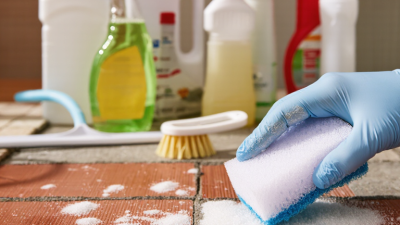
Inspect the surface periodically for dull patches, water absorption, peeling, or whitening. Clean it with a mild, compatible cleaner; abrasive tools may wear the color and texture. Recoat only when the surface is clean, dry, and compatible with the existing sealer. ASTM D4263’s plastic-sheet method can help indicate moisture presence, but it does not quantify moisture or guarantee sealer readiness. A small test patch is still worth the extra time.