Skip to content

Top Efflorescence Removers for Global Buyers

White mineral blooms can appear on brick, concrete, stone, and tiled surfaces after moisture carries salts outward. They may look harmless, yet they can signal drainage problems or repeated water movement. Choosing the right efflorescence remover requires more than comparing prices. Buyers need to consider surface type, salt deposits, application conditions, and local regulations. A product that works well on concrete may damage polished stone or colored grout.

This guide examines leading efflorescence removers for international buyers. It considers cleaning strength, ingredient transparency, surface compatibility, packaging, storage, and supplier reliability. Practical details matter. A concentrated formula may reduce shipping volume, but it demands careful dilution and clear instructions. Ready-to-use products can simplify maintenance, especially for smaller contractors. However, transport temperatures, regional labeling rules, and safety data sheets still deserve attention. Always test a small hidden area before full application.

There is no universal best choice. Results vary with deposit age, surface porosity, and moisture conditions. Some products remove visible salts but do not address the water source. That limitation is easy to overlook. Reliable suppliers should provide technical documents, batch information, usage guidance, and responsive support. Buyers should also check pH ranges and recommended personal protective equipment. Real-world performance matters more than impressive claims. A careful comparison helps global purchasers select an efflorescence remover that cleans effectively while protecting materials, workers, and long-term project value. Even experienced teams may need to revise their choice after a site test.
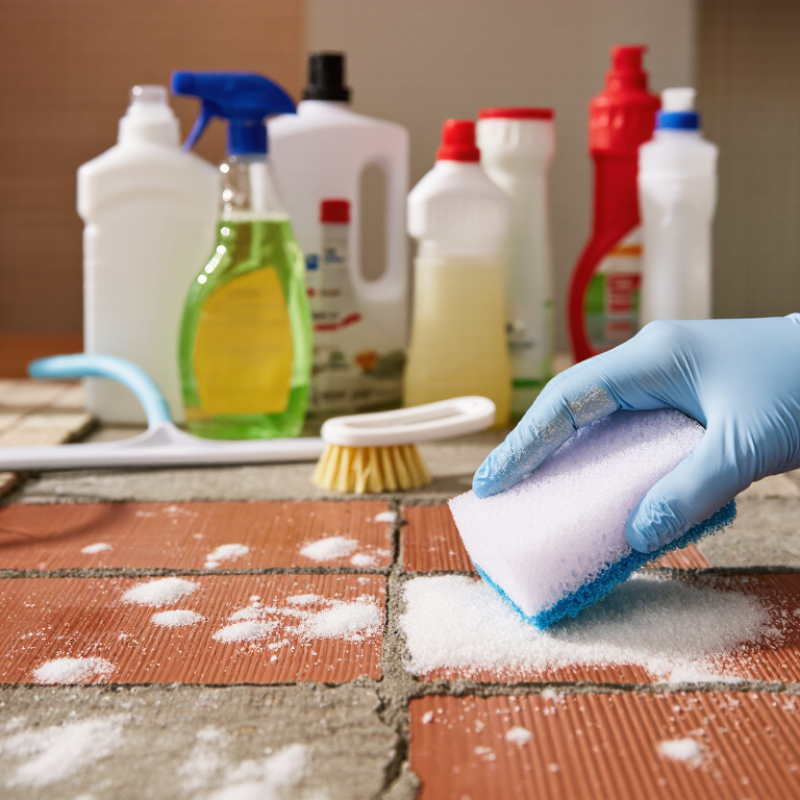
Top Efflorescence Removers for Global Buyers

What Efflorescence Is and Why It Forms

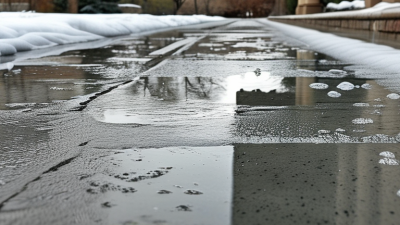
Efflorescence is a white, powdery deposit that appears on brick, concrete, stone, and mortar. It forms when water moves through porous building materials. During this movement, dissolved salts travel toward the surface. After the water evaporates, the salts remain behind. The result may look like dust, frost, or pale streaks beneath a window.

Moisture is usually the main cause. Rain, rising damp, poor drainage, fresh mortar, and leaking joints can all contribute. Warm sunlight may make the marks appear faster. A suitable efflorescence remover can dissolve surface salts, but product choice depends on the material and deposit age. Acidic formulas may work quickly, yet they can damage polished stone, metal trims, or colored surfaces. Always check the technical data and test a hidden area first. No remover works perfectly in every case.

Tips: Remove loose powder with a dry, soft brush before washing. Avoid pressure washing delicate masonry. Use clean water sparingly, because excess moisture can carry more salts outward. Wear suitable gloves and eye protection, and follow the product’s dilution instructions. Buyers should also ask about surface compatibility, storage conditions, and local transport requirements. A small test patch is worth the time. I have found that rushing this step often creates a second repair. If moisture remains inside the wall, cleaning alone will not solve the problem. One detail is easy to miss: the stain may return after several weeks.

Key Types of Efflorescence Removers

Global buyers usually compare efflorescence removers by chemical type, surface safety, and shipping practicality. Acidic removers use mild acids to dissolve carbonate salts. They work quickly on unsealed concrete, brick, and some masonry. However, acids can etch polished stone, discolor grout, or damage nearby metal. Always test a hidden area first. That small test matters.

Chelating removers bind mineral deposits instead of relying only on strong acidity. They suit stubborn salts and more sensitive substrates. Neutral or low-acid formulas offer gentler cleaning for glazed tile, decorative masonry, and routine maintenance. Their action may be slower. Mechanical options, including dry brushing and low-pressure washing, suit light deposits and reduce chemical exposure. They often need repeated passes. In real projects, a blended approach often works better: remove loose powder, apply the selected cleaner, rinse carefully, and control the moisture source. Read the technical data sheet for dilution, dwell time, protective equipment, and wastewater requirements. Conditions vary with climate, water hardness, and building age. No remover is perfect. A cleaner that removes salts today may damage the surface tomorrow. Results should be checked after drying, not while the wall is still wet.

How to Compare Remover Performance and Compatibility

Top Efflorescence Removers for Global Buyers

How to Compare Remover Performance and Compatibility

Compare measurable results, not attractive label claims. ASTM C642 measures water absorption through percentage mass gain. ASTM C67 evaluates brick absorption and durability. These methods help buyers understand how deeply moisture and salts may travel. A remover can clear a white crust within ten minutes, yet leave soluble salts inside porous masonry.

Request independent test data for removal rate, pH, dwell time, rinse volume, and color change after 24 and 72 hours. The TCNA Handbook recommends testing cleaning chemicals on representative surfaces before broad application. Natural Stone Institute guidance also supports inconspicuous-area testing. This matters because limestone, marble, cement grout, brick, and glazed tile react differently. Start small.

Compatibility depends on chemistry and substrate condition. Acidic formulas may dissolve carbonate-based stone or weaken cement-rich joints. Strong alkaline formulas may leave a dull film on polished surfaces. Check the technical data sheet and safety data sheet. Confirm dilution ratios, ventilation needs, and required rinsing water. ASTM C642 data can reveal whether a highly absorbent substrate needs shorter contact time.

A practical weakness remains: laboratory panels rarely match weathered walls. Dust, old sealers, hard water, and winter salts can distort results. I would compare the same product across three sample areas, using identical dwell times. Record photos, surface gloss, and residue weight when possible. The cheapest remover is not always the lowest-cost choice.

Step-by-Step Guide to Applying Efflorescence Removers

Efflorescence removers work best when the surface is prepared carefully. I have found that rushing this stage often creates uneven results. Brush away loose white deposits with a dry, soft-bristle brush. Remove nearby furniture, plants, and loose debris. Protect metal fixtures and painted surfaces from accidental contact.

Test the remover on a small hidden area. Wait until the test area dries completely. This step can reveal staining, color changes, or surface damage. Follow the product label for dilution, ventilation, and protective equipment. Apply the solution with a low-pressure sprayer, sponge, or brush. Keep the surface evenly wet, but avoid puddles. Allow the recommended dwell time to work.

Gently scrub stubborn areas with a non-metallic brush. Do not use excessive force on aged brick or soft stone. Rinse thoroughly with clean water, using controlled pressure. Dirty rinse water can spread salts across nearby surfaces. Let the masonry dry naturally before inspecting it. The first application may not remove every deposit. That is normal, especially on porous walls. Repeat only when the surface and instructions allow it. Check for moisture sources, such as leaking joints or poor drainage. Without correcting them, efflorescence may return. Dispose of rinse water according to local requirements.

Global Buying Factors: Safety, Packaging, and Compliance

Top Efflorescence Removers for Global Buyers

Global buyers should assess safety before comparing cleaning performance. Many efflorescence removers contain acidic ingredients that can irritate skin, damage eyes, or corrode metal. The United Nations Globally Harmonized System requires clear hazard communication through labels and Safety Data Sheets. Buyers should request a current 16-section SDS, local-language warnings, and verified ingredient information. ECHA’s 2023 REF-10 enforcement report inspected 2,407 products and found 18% non-compliant, showing why paperwork deserves practical attention.

Packaging must survive long-distance handling, temperature changes, and repeated warehouse movement. Choose tightly sealed containers with compatible materials, readable labels, and leak-resistant closures. Transport classification may require specific packaging under the UN Model Regulations. Packaging should also show batch codes, net volume, storage limits, and emergency contact details. A strong container is useful. A confusing label is not.

Tips: Test a small area first. Confirm the surface material. Ask for drop-test and compatibility evidence. Check whether the importer needs local registration or notification. Do not rely only on translated marketing text; review the original SDS and technical sheet. One weakness remains common: suppliers sometimes provide excellent laboratory data but weak field instructions. Buyers should request dilution ratios, contact time, ventilation guidance, and disposal advice for real job-site conditions.

Top Efflorescence Removers for Global Buyers - Global Buying Factors: Safety, Packaging, and Compliance
Remover Type Typical Active Chemistry Typical pH Range Suitable Surfaces Key Safety Considerations Preferred Packaging Global Compliance Documentation Buyer Evaluation Point
Sulfamic-Acid Cleaner Sulfamic acid in a water-based formulation, often with wetting agents and corrosion-control additives Approximately 1–3 for concentrated products; always confirm the product SDS Concrete, brick, cement-based grout, masonry, and some acid-resistant stone High caution HDPE bottles, jerry cans, or lined pails with acid-compatible caps; secondary containment recommended Safety Data Sheet, GHS label, technical data sheet, ingredient or composition disclosure where required, and transport classification Cleaning strength versus risk of etching, discoloration, or damage to sensitive substrates
Phosphoric-Acid Cleaner Phosphoric acid, normally diluted in water and sometimes combined with surfactants Approximately 1–3 for concentrated products; verify the formulation-specific value Concrete, masonry, grout, and mineral deposits on acid-compatible surfaces High caution Acid-resistant HDPE containers with secure closures and clear hazard labeling GHS or applicable local hazard label, SDS, technical data sheet, corrosivity assessment, and shipping documents when regulated Acid concentration, dwell time, rinse requirements, and compatibility with surrounding materials
Citric-Acid Cleaner Citric acid in a liquid or powder formulation, frequently supported by biodegradable surfactants Approximately 2–4, depending on concentration Light to moderate mineral deposits on masonry, grout, concrete, and selected hard surfaces Moderate caution Moisture-resistant bags for powders or HDPE bottles and pails for liquids SDS, ingredient declaration where applicable, local chemical labeling, pH information, and biodegradability claims supported by documentation Lower odor and potentially milder handling profile versus stronger mineral acids, balanced against slower cleaning
Phosphonate or Chelating Cleaner Phosphonate, citrate, gluconate, or other chelating agents designed to bind mineral ions Approximately 3–8, depending on the builder system Routine mineral-film removal on concrete, tile, grout, and selected coated surfaces Moderate caution HDPE bottles, jerry cans, pails, or intermediate bulk containers for industrial orders SDS, technical data sheet, wastewater or environmental information where requested, and applicable regional chemical registration details Performance on aged deposits, wastewater restrictions, residue after rinsing, and compatibility with coatings
Buffered Acid Cleaner Organic or inorganic acid combined with buffering agents to moderate the rate of acidity Approximately 2–5 Concrete, masonry, grout, and other acid-tolerant mineral surfaces Moderate to high caution HDPE or other verified acid-compatible containers; tamper-evident closures are preferred SDS, GHS or local hazard label, technical data sheet, batch traceability, and required import or transport information Controlled reaction rate, reduced splashing risk, and predictable results across different water hardness levels
Non-Acid Mineral Deposit Cleaner Surfactants, builders, chelating agents, and alkaline or neutral cleaning components Approximately 7–11 Decorative stone, coated surfaces, tiles, grout, and substrates where acids are unsuitable Lower caution HDPE bottles, trigger containers, pails, or refill packs with leak-resistant seals SDS where required, technical data sheet, pH statement, surface-compatibility guidance, and environmental claims substantiation Surface safety, contact time, residue control, and effectiveness on heavy calcium-carbonate deposits
Ready-to-Use Spray Cleaner Pre-diluted acidic, chelating, or non-acid formulation with surfactants Commonly 2–10, depending on the chemistry Small-area maintenance on grout, tile, masonry, and concrete surfaces Depends on formula HDPE or chemically compatible spray bottles with a lockable trigger and leak-resistant overcap Consumer or professional-use label, SDS when applicable, dosage instructions, first-aid information, and local language requirements Sprayer compatibility, shipping leakage, shelf stability, ease of use, and worker exposure during application
Concentrated Industrial Cleaner Higher-strength acid, chelating, or blended formulation intended for dilution before use Formulation-dependent; commonly approximately 1–8 Large masonry areas, concrete floors, precast products, and commercial maintenance projects High caution HDPE jerry cans, pails, drums, or IBCs with compatibility testing and palletized transport SDS, technical data sheet, certificate of analysis when requested, GHS or local labels, UN packaging information if applicable, and transport documents Cost per treated square meter, dilution ratio, container integrity, batch consistency, and regulatory acceptance in the destination market
Global buying note: Actual pH, hazard classification, transport status, shelf life, and packaging compatibility depend on the exact formulation and concentration. Buyers should request the current SDS, technical data sheet, batch information, local-language label, and substrate compatibility test before import or large-scale use.