Skip to content

What Are the Best Retaining Wall Blocks in 2026?

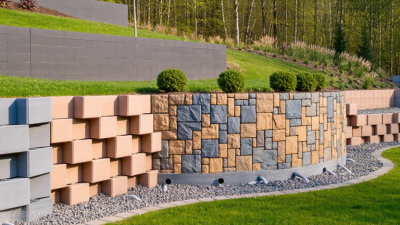
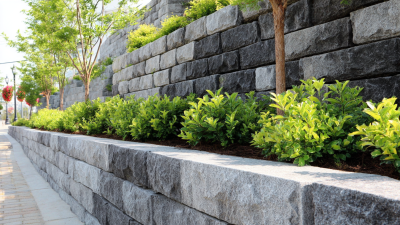
Choosing the best retaining wall blocks in 2026 requires more than comparing colors, prices, and showroom displays. A strong wall must manage soil pressure, rainfall, drainage, and seasonal movement. It should also suit the site’s slope, soil type, wall height, and expected load. A block that performs well beside a garden may fail near a driveway.

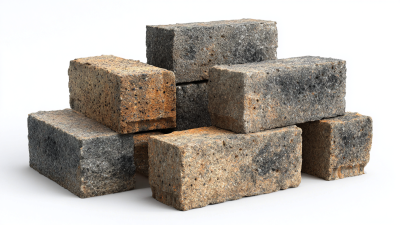
Performance comes first. Concrete retaining wall blocks remain popular because they offer consistent dimensions, durable surfaces, and flexible installation options. However, quality varies between manufacturers. Look for tested compressive strength, reliable interlocking features, frost resistance, and clear installation guidance. Pay close attention to drainage details. A gravel backfill zone, perforated pipe, and filter fabric can protect the wall from trapped water. Small omissions can create expensive repairs.

Real projects also reveal practical differences. Some blocks are easy to handle by hand, while others require equipment. Textured faces can hide minor stains, but smooth finishes may clean more easily. The “best” choice is rarely universal. Local climate and soil conditions matter greatly. I have seen attractive systems underperform when installers ignored water movement or placed blocks on weak base material. That mistake is worth remembering. Manufacturer specifications, local building requirements, and advice from a qualified landscape professional should guide the final decision. This guide compares leading retaining wall blocks for 2026, focusing on durability, installation, appearance, drainage compatibility, and long-term value. Expect useful answers, but not perfect certainty. Real sites are unpredictable.
What Are the Best Retaining Wall Blocks in 2026?

What Retaining Wall Blocks Are and How They Work

Retaining wall blocks are manufactured units designed to hold soil at different elevations. They create a stable face while resisting pressure from wet and compacted earth. Many blocks use a rear lip, tongue, or pin system to interlock with the course below. This connection helps the wall act as one structure instead of separate pieces.

The wall’s weight provides much of its strength. Deeper blocks and a slight backward setback move the center of gravity toward the soil. A compacted gravel base prevents uneven settling. Behind the blocks, clean drainage stone allows water to escape through the wall. This detail matters. Trapped water can create strong pressure and damage an otherwise attractive installation.

In practical projects, the best retaining wall blocks match the wall height, soil conditions, and available drainage. Small garden walls may need only lightweight units and careful leveling. Taller walls often require engineering review, wider foundations, or soil reinforcement behind the wall. I have seen walls fail because installers focused on visible blocks and ignored the buried structure. My own judgment has changed too; attractive block shapes are not enough. The strongest choice is usually the system that manages water, supports its load, and suits the actual site.

Key Factors for Choosing Retaining Wall Blocks in 2026

What Are the Best Retaining Wall Blocks in 2026?

Choosing retaining wall blocks in 2026 requires more than comparing color and price. The site’s soil, slope, rainfall, and frost exposure should guide the decision. A block must resist pressure from wet soil, not only support its own weight. Check the manufacturer’s tested strength, recommended wall height, and installation limits. Local building requirements may also affect footing depth and drainage design.

Water management is often the deciding factor. Look for blocks that work with a properly graded base, clean drainage gravel, and a reliable perforated pipe. Even strong blocks can shift when trapped water freezes behind the wall. On a recent garden project, a small dip in the foundation caused visible leaning after heavy rain. The block was not the only problem. Installation matters.

Size and shape also influence performance. Larger units can reduce joints and speed installation, while textured faces may hide minor stains and scratches. However, heavy blocks require safer handling and stronger ground preparation. Pale surfaces can show soil marks quickly. Darker surfaces may fade unevenly. No option is perfect.

Before buying, compare the block’s weight, interlocking design, setback angle, surface finish, and expected service conditions. Ask whether replacement units will remain available later. A sample should be viewed outdoors, beside the planned landscape, because store lighting can distort its color. Good selection combines engineering data with honest attention to the site’s weaknesses.

Comparison of the Best Retaining Wall Block Materials

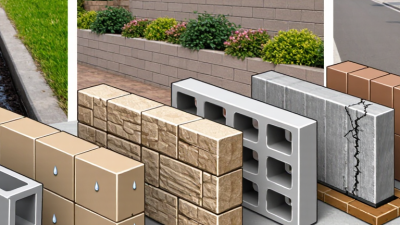
The best retaining wall block in 2026 depends on soil, height, drainage, and freeze-thaw exposure. Segmental concrete blocks offer predictable dimensions and fast installation. Their hollow cores can accept drainage stone, while setback geometry improves stability. In field inspections, poor water control causes more concern than surface appearance. FHWA’s Earth Retaining Structures guidance identifies water pressure as a major design load. A perforated drain and clean gravel are not optional details.

Natural stone provides strong visual texture and can last for generations. However, irregular shapes require skilled fitting and create wider construction tolerances. Poured concrete delivers high rigidity, but cracks can become difficult to repair after settlement. Timber remains lightweight and practical for small garden walls, yet moisture and insects limit its service life. It needs careful separation from wet soil.

Material availability also affects cost and reliability. The USGS Mineral Commodity Summaries 2025 reported about 1.5 billion metric tons of crushed stone production in the United States during 2024. That scale supports dependable aggregate supply for concrete and drainage systems. The 2023 Global Status Report for Buildings and Construction also linked the sector to 37% of global energy and process emissions, so material quantity matters. Lower-impact mixes may help, but transport and cement content can change the result. I still hesitate to call one block “best.” A beautiful wall can fail when its filter fabric clogs, and a modest concrete system can outperform it with proper detailing.

What Are the Best Retaining Wall Blocks in 2026? - Comparison of the Best Retaining Wall Block Materials

Material Typical Service Life Practical Height Range Without Special Engineering Drainage Performance Freeze–Thaw Resistance Installation Difficulty Relative Cost Maintenance Best Applications Key Limitations
Segmental Concrete Blocks 50–100+ years when correctly installed Usually up to about 1–1.2 m before additional design measures may be required ★★★★★ Excellent ★★★★★ Excellent Moderate; requires a compacted base, level courses, drainage aggregate and proper backfill Medium Low; inspect joints, settlement and drainage outlets periodically Residential gardens, sloped yards, terraces, walkways and medium-duty landscaping Higher walls may require geogrid reinforcement, engineering review or local approval
Poured Concrete 50–100+ years with suitable design and reinforcement Suitable for low to high walls when reinforced and engineered correctly ★★★★☆ Very good with designed drainage ★★★★☆ Very good with quality concrete and detailing High; formwork, reinforcement, concrete placement and curing are required High Low to moderate; cracks and water intrusion should be monitored Large grade changes, restricted spaces, structural walls and customized shapes Poor drainage or inadequate reinforcement can cause cracking, rotation or failure
Natural Stone 50–100+ years, depending on stone type and construction Generally suited to low to medium landscape walls; taller walls need structural design ★★★★☆ Very good when dry-stacked or properly drained ★★★★☆ Very good; varies by porosity and local climate High; stones require careful selection, fitting and a stable foundation Medium to high Low; reposition loose stones and control vegetation growth Natural-looking gardens, premium landscapes, terraces and heritage-style projects Irregular shapes increase labor; porous stone may absorb water and deteriorate in harsh climates
Brick or Masonry Units 50–100+ years with a stable foundation and appropriate mortar Commonly used for low to medium walls; reinforced designs can accommodate greater heights ★★★☆☆ Good with weep holes and a drainage layer ★★★★☆ Very good when frost-resistant units and mortar are used Moderate to high; accurate foundation work and masonry skills are important Medium to high Moderate; mortar joints and cracking require periodic inspection Architectural landscapes, boundaries, courtyards and walls matching existing masonry Water pressure, poor footing or freeze–thaw damage can weaken mortar joints
Timber or Treated Wood 10–30 years, depending on moisture exposure and treatment Generally best for low walls, often below about 1 m without structural design ★★★★☆ Very good with gravel backfill and a drainage outlet ★★★☆☆ Good; repeated wetting and freezing can accelerate deterioration Moderate; materials are easy to cut, but anchoring and drainage are essential Low to medium Moderate to high; check for rot, insect damage, leaning and fastener corrosion Budget-conscious gardens, temporary landscaping and rustic outdoor designs Shorter lifespan than mineral materials; groundwater and poor drainage significantly reduce durability
Gabion Baskets 40–80+ years; wire coating and site conditions strongly affect longevity Suitable for low to medium walls; taller structures require structural assessment ★★★★★ Excellent ★★★★☆ Very good Moderate; baskets must be assembled, tied, aligned and filled with durable stone Medium Low; inspect wire corrosion, stone movement and foundation settlement Areas with heavy rainfall, erosion control, drainage-sensitive sites and modern landscapes Requires sufficient space; wire corrosion and unsuitable fill stone can shorten service life

Note: Service life, height suitability and cost are typical planning ranges rather than guarantees. Actual performance depends on soil pressure, wall height, foundation preparation, drainage, reinforcement, climate, material quality and local building requirements. Walls supporting buildings, driveways or other surcharge loads should be designed or reviewed by a qualified professional.

Best Retaining Wall Blocks for Different Landscaping Needs

What Are the Best Retaining Wall Blocks in 2026?

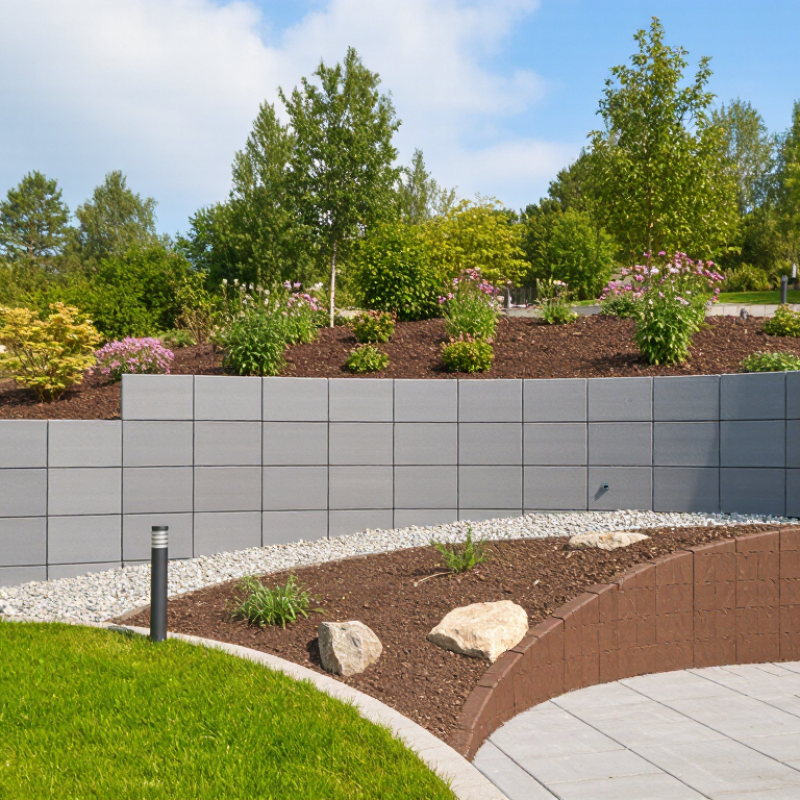
The best retaining wall blocks depend on the landscape, soil, and wall height. For small garden beds, lightweight interlocking concrete blocks are practical. Their textured faces create a clean edge around lawns and planting areas. They also suit simple weekend projects. Measure carefully, though. A slightly uneven base becomes very visible after several courses.

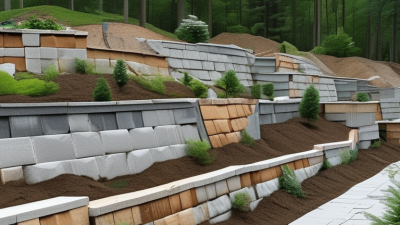
Curved paths need smaller modular blocks with flexible alignment. These blocks follow gentle bends without large gaps or awkward cuts. For steep slopes, choose engineered segmental blocks with strong connectors and adequate setback. Taller walls may require geogrid reinforcement, compacted backfill, and professional design. Local drainage rules matter too. Water pressure can damage an otherwise attractive wall.

Wet gardens need blocks paired with a reliable drainage layer. Place clean gravel behind the wall, then add a perforated drainpipe where appropriate. Natural stone gives a rugged appearance and blends well with mature landscapes. However, irregular pieces require more fitting and usually take longer to install. Smooth masonry blocks work better near patios, steps, and contemporary homes. I have seen homeowners focus on color first, then struggle with poor drainage later. That choice is understandable, but costly to correct. Inspect each block for cracks, consistent dimensions, and frost resistance before installation. Confirm the supplier’s structural specifications, especially for walls supporting driveways or raised patios. Short walls are not automatically risk-free.

Installation, Durability, Cost, and Maintenance Considerations

What Are the Best Retaining Wall Blocks in 2026?

Installation, Durability, Cost, and Maintenance Considerations

The best retaining wall blocks are not always the largest or most attractive. They should match the soil, wall height, drainage plan, and local freeze-thaw conditions. In field inspections, poor preparation causes more failures than weak blocks. A compacted crushed-stone base, level footing, and clean backfill are essential. Water needs an escape route. Without drainage gravel and a properly placed outlet pipe, pressure can push blocks forward after heavy rain.

Durability depends on more than concrete strength. Look for consistent dimensions, a reliable connection system, and resistance to repeated freezing and thawing. Heavier blocks may improve stability, but they can increase delivery and labor costs. Walls above a modest garden height may require geogrid reinforcement or professional engineering. I once underestimated the slope behind a wall, and the extra excavation cost exceeded the block budget. That mistake still influences my estimates.

Compare the complete installed cost, not the price per block. Include excavation, base material, drainage stone, reinforcement, equipment, permits, and soil disposal. Maintenance is usually simple: remove weeds, inspect joints, and watch for leaning or bulging sections. Keep downspouts away from the wall. Small cracks or displaced blocks should not be ignored. Some advertised “maintenance-free” claims feel too optimistic; every wall deserves an annual inspection, especially after winter. Soil movement, blocked drains, and tree roots can quietly create expensive repairs.

This comparison uses representative midpoints for typical U.S. installed costs in 2026 dollars and commonly reported service-life ranges. Segmental concrete blocks generally offer the best balance of installation speed, durability, repairability, and cost. Natural stone can last the longest but usually requires higher labor and material costs, while poured concrete provides strong durability but can be more difficult to repair after cracking.