Skip to content

7 Best Retaining Wall Blocks for Landscaping?

Choosing the best retaining wall blocks is not simply a matter of color, texture, or price. A wall may look impressive in a showroom, then lean after one wet winter. Soil pressure, drainage, frost movement, wall height, and installation quality all matter. This guide compares seven practical block options for landscaping, including interlocking concrete units, segmental retaining wall blocks, natural stone systems, and lightweight alternatives.

Geotechnical engineer Dr. Robert M. Koerner has repeatedly emphasized the importance of drainage in retaining wall performance: “Drainage is the most important consideration.” That principle is easy to underestimate. Behind a properly built wall, clean gravel, perforated pipe, and filter fabric help control trapped water. Small details matter. A blocked outlet can create major pressure.

The right choice depends on the site, not just the product label. Heavy concrete blocks may suit a straight garden terrace, while lighter systems can simplify a small residential project. Natural stone offers character, but irregular shapes demand more patience and skill. I have seen attractive walls fail because the base was too shallow or poorly compacted. That mistake is costly.

Each recommendation in this article considers appearance, strength, drainage needs, installation difficulty, maintenance, and value. Manufacturer instructions and local building requirements should still guide final decisions. No block is perfect. The best retaining wall blocks are the ones that match the soil, slope, climate, and installer’s experience.
7 Best Retaining Wall Blocks for Landscaping?

What Retaining Wall Blocks Are and How They Work

7 Best Retaining Wall Blocks for Landscaping?

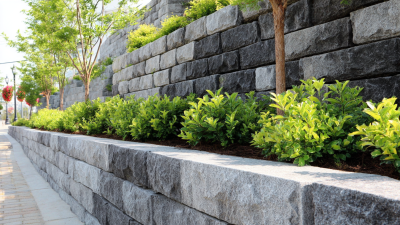
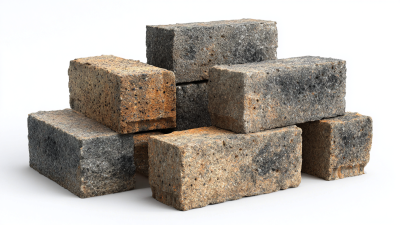
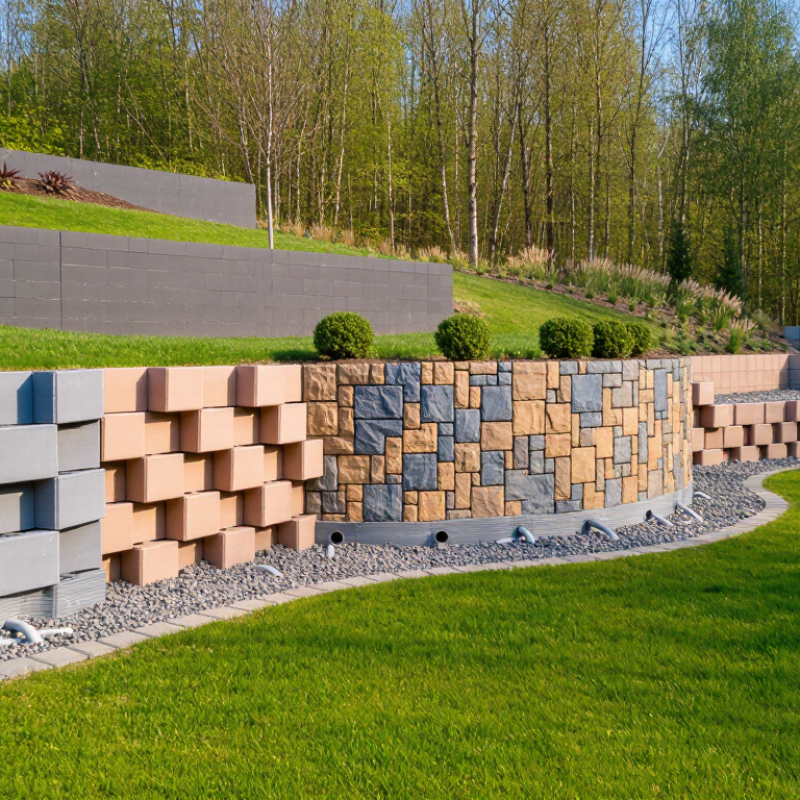
Retaining wall blocks are molded concrete or stone units that hold back soil on sloped ground. Their weight resists soil pressure and helps prevent erosion. Many blocks have rear lips or interlocking edges. These features keep each course aligned as the wall rises.

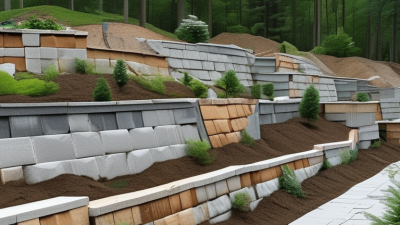
A stable wall needs more than attractive blocks. Contractors usually prepare a compacted gravel base, then place the first course below grade. Clean drainage stone behind the wall reduces water pressure. A perforated drainpipe may carry water toward a safe outlet. Taller walls can need geogrid reinforcement, which extends into the soil behind the wall.

The seven practical choices include:

  • standard concrete blocks
  • interlocking blocks
  • cap blocks
  • natural stone units
  • split-face blocks
  • lightweight garden blocks
  • reinforced-system blocks

Each suits different heights, soil conditions, and visual styles. Small garden walls may need only careful leveling. Taller structures require local code checks and, sometimes, an engineer’s design.

Check every course with a level. Small errors can become obvious near the top. A common mistake is treating drainage as optional. It is not. I would also question a wall built on loose soil, even when the blocks look heavy. Appearance alone cannot prove stability. Soil type, rainfall, slope angle, and nearby loads all affect performance.

How to Choose the Right Blocks for Your Landscape

Choosing the right retaining wall block starts with site conditions, not appearance. Measure wall height, slope, soil type, drainage, and nearby loads. A patio, driveway, or mature tree can add pressure behind the wall.

The Federal Highway Administration’s retaining-wall guidance stresses drainage and proper backfill because trapped water can increase lateral pressure dramatically. In practice, I look for clean, angular aggregate behind the blocks, a perforated drainpipe, and a visible outlet. Small details matter.

For low garden edges, lightweight interlocking blocks may offer adequate stability and easier installation. Taller walls usually need heavier units, geogrid reinforcement, or professional engineering.

ASTM C1372 provides requirements for segmental retaining wall units, while ASTM C1262 addresses freeze-thaw durability testing. In cold regions, choose blocks tested for repeated freezing and thawing. A block that looks solid may still crack after several winters. That lesson is easy to learn too late.

Compare seven practical block types: standard concrete units, large-format units, cap blocks, natural stone, split-face masonry units, lightweight composite blocks, and poured concrete forms.

Check unit weight, setback angle, drainage compatibility, and manufacturer test documentation. The U.S. Geological Survey reported roughly 1.5 billion metric tons of crushed stone production in 2022, showing how widely aggregate materials support construction.

Still, local availability does not guarantee suitability. I would also inspect the soil after rain, although that step is often skipped. A beautiful block cannot correct weak soil or poor drainage.

Seven Retaining Wall Block Options Compared by Use and Performance

Seven retaining wall block options perform differently because soil, drainage, height, and installation quality change the result. This comparison uses guidance from the National Concrete Masonry Association and ASTM C1372. It also considers USGS Mineral Commodity Summaries 2024, which estimated 870 million metric tons of construction sand and gravel production in the United States during 2023.

Standard dry-cast concrete blocks suit general garden walls and moderate slopes. Their consistent dimensions simplify alignment. Interlocking concrete blocks work well for DIY projects, although uneven bases can create visible movement. Large-format blocks reduce installation time and joints. They fit taller walls, but machinery access becomes essential.

Natural stone blocks provide excellent visual texture and strong mass. They suit premium landscapes, yet irregular shapes demand skilled fitting. Split-face concrete blocks create a masonry appearance with dependable sizing. Lightweight blocks are easier to handle around patios, though they may need careful engineering for higher surcharge loads. Permeable or drainage-focused blocks help manage surface water, but they cannot replace a properly designed drainage layer.

For severe exposure, reinforced segmental blocks paired with geogrid offer greater resistance against sliding and overturning. The Federal Highway Administration stresses drainage, compaction, and internal stability in retaining-wall design guidance. A crushed-stone base should feel firm underfoot, not soft or pumping. I would not rank one option as universally best. A low wall beside a lawn needs different performance from a wall supporting a driveway. Even attractive blocks can fail when buried drains clog or backfill remains poorly compacted.

Step-by-Step Guide to Installing Retaining Wall Blocks

Choosing the right retaining wall block starts with the site, not appearance. For most landscapes, useful options include standard concrete blocks, interlocking blocks, split-face blocks, natural stone, cast-stone units, lightweight garden blocks, and large segmental blocks. Check each block’s height rating, drainage needs, weight, and installation instructions. A decorative block may look strong but perform poorly on wet, unstable soil.

My first small wall leaned after one rainy season. I had rushed the foundation. Learn from that mistake. Mark the wall line, then excavate below loose topsoil. Create a level trench with enough depth for a compacted gravel base. Add the gravel in thin layers and compact each layer firmly. It should feel solid underfoot.

Place the first course carefully. It controls the wall above. Check every block with a level, and adjust the base instead of forcing later courses. Stagger vertical joints as you build. Add clean drainage gravel behind the blocks, then install a perforated drainpipe where water can escape safely. For taller walls, use approved reinforcement and follow local engineering guidance. Poor drainage causes many failures.

Backfill gradually. Compact soil behind each course. Keep heavy equipment away from a fresh wall. Finish with suitable cap blocks and slope nearby soil away from the structure. I still recheck alignment after every few courses; small errors become obvious later. Measure twice. Dig once.

Maintenance Tips and Common Retaining Wall Problems

The best retaining wall blocks are not judged by appearance alone. Their performance depends on drainage, soil conditions, and careful installation. Interlocking concrete blocks, natural stone, and poured masonry each require different maintenance routines.

Keep the wall face free from leaves, soil, and standing water. Inspect it after heavy rain and during freezing weather. Look for bulging, leaning, open joints, or sudden gaps behind the wall. Not every crack means failure. Still, do not ignore movement. A small shift can reveal clogged drainage or poor backfill.

Clear the drainage outlet regularly, especially where mulch or grass clippings collect. Replace washed-out soil and secure loose cap blocks before water enters the wall. Avoid planting large shrubs directly behind it. Their roots can push against blocks, while constant irrigation may weaken the soil.

Efflorescence may appear as a pale, chalky film on concrete blocks. A dry brush often removes it. Do not use harsh chemicals without testing a hidden area. Weeds between joints are common, but aggressive pulling can disturb the wall structure. Cut them carefully instead.

I have seen owners repair the visible face while ignoring saturated soil behind it. That fix rarely lasts. Professional assessment is wise when the wall leans, drains poorly, or moves more than a few millimeters. My own maintenance checks are simple, but I sometimes inspect too late after storms. A written seasonal schedule helps prevent that mistake.

7 Best Retaining Wall Blocks for Landscaping: Typical Service Life

General planning values for properly designed, installed, drained, and maintained retaining walls.

Natural stone and poured or precast concrete systems can provide long service lives when foundations and drainage are properly built. Interlocking concrete blocks are widely used because they are modular and easy to repair. Common problems across all systems include poor drainage, soil erosion, settlement, leaning, cracking, and displaced blocks. Regularly clear drains, inspect joints and caps, control surface water, and repair small movements before they become structural problems.