Skip to content

2026 Best Landscape Cloth for Weed Control?

Choosing the best landscape cloth for weed control in 2026 starts with a practical question: where will it be used? A vegetable bed, gravel path, and shrub border face different weed pressure, moisture needs, and foot traffic. One product rarely suits every setting. And no fabric is magic.

University extension guidance, including Oregon State University’s publications on landscape fabrics, treats these materials as one tool—not a permanent substitute for weeding or suitable mulch. Fabric can block many emerging weeds, but persistent plants may grow through seams or rooted mulch above it. Water and air movement also matter. A dense woven sheet may feel durable, yet it can restrict water entry in some installations.

Professional specifications help compare products, but they do not prove garden performance. ASTM International test methods assess properties such as geotextile strength and opening size; they are useful benchmarks, not a universal weed-control score. The USDA National Agricultural Statistics Service’s 2022 Census of Agriculture documents the scale of U.S. horticultural production, but it does not rank landscape cloth brands. That distinction matters. Marketing claims can sound more conclusive than the evidence.

This guide compares material, permeability, durability, installation, and likely maintenance. Look closely at the label, then picture the site: a hose soaking the bed, stones pressing on the fabric, and roots seeking a gap. Those details can change the best choice. Results still vary. Check local extension advice, and treat product ratings as a starting point—not a promise.
2026 Best Landscape Cloth for Weed Control?

What Landscape Cloth Is and How It Controls Weeds

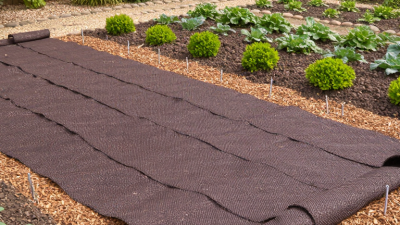
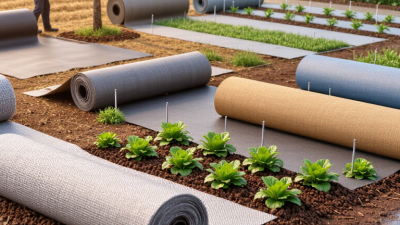
Landscape cloth is a porous textile placed over prepared soil. Woven types have visible gaps; nonwoven types usually form a tighter barrier. Both reduce light at the soil surface, limiting germination and growth beneath the material. They do not reliably kill established roots, though. Persistent weeds may push through seams, planting holes, or damaged areas.

Water and air can pass through many fabrics, but the rate varies by material and soil condition. Check the product’s stated permeability, and observe how water moves after a hard rain. A UC Integrated Pest Management profile reports that one common purslane plant can produce up to 52,300 seeds. That helps explain why weeds may appear on top of cloth: windblown seeds can sprout in dust and decaying leaves that collect there. The barrier needs upkeep. I find this part easy to underestimate. Pull surface weeds early, clear debris, and inspect edges; otherwise, the fabric can become a tidy-looking bed with weeds rooted above it.

Types of Landscape Cloth and Their Key Differences

Landscape cloth is not one material with one job. Woven polypropylene has visible crosshatch threads and suits paths, shrubs, and beds where durability matters. Water and air can pass through, though compacted soil or fine sediment may gradually clog its openings. Nonwoven fabric feels more like felt. It blocks light effectively and can work beneath gravel, but water flow and strength vary by product. Check the stated use, not just the label.

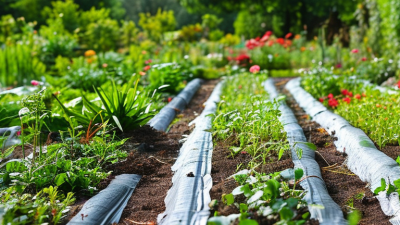
Plastic sheeting blocks light strongly, but it also restricts water and air. That can create dry patches or trap excess moisture, depending on rainfall and soil. Natural-fiber mats, such as jute, break down over time and may fit short-term planting areas. They need replacement. No cloth stops every weed: seeds can sprout in dust and mulch above it. Calling any option a permanent fix deserves skepticism.

Tips: Match the material to the site. For a sloped bed, secure the fabric against slipping; around new plants, cut small openings and keep stems clear. Overlap seams by several inches, then cover the cloth with mulch to limit sunlight exposure. If water pools after rain, reassess the fabric and soil before adding another layer.

2026 Best Landscape Cloth for Weed Control? - Types of Landscape Cloth and Their Key Differences

Type Construction Water and Air Passage Weed-Control Characteristics Best Suited For Key Limitations Relative Durability
Woven polypropylene Interlaced plastic strips form a visibly woven sheet. Usually allows water and air through its weave; actual flow varies by product. Blocks light effectively when installed flat, with edges and overlaps secured. Long-term paths, gravel areas, and planting beds where the covering will remain in place. Cut edges can fray; weeds may grow in soil or organic debris that accumulates on top. May be unsuitable where unrestricted soil exchange is important. Generally high for landscape fabrics; exposure, foot traffic, installation, and product quality affect lifespan.
Spunbond polypropylene (nonwoven) Continuous plastic fibers are bonded into a sheet rather than woven into a grid. Typically permeable, though water flow depends on the sheet’s weight and design. Suppresses weeds by limiting light; seams and openings still need careful coverage. Mulched beds and situations calling for a flexible, continuous sheet. Some lighter products can tear more easily than heavier woven fabric. Roots can establish in material collected above the sheet. Varies by product; generally intended for longer use than paper-based covers.
Needle-punched nonwoven Loose fibers are mechanically entangled with barbed needles to make a felt-like fabric. Often designed to pass water; permeability varies with thickness and density. Dense material can provide a strong light barrier when intact and properly overlapped. Slopes, drainage-related applications, or beds needing a tough, flexible fabric; confirm the product is intended for planting beds. May be thicker or less convenient to cut and fit. A fabric used beneath gravel or for drainage may not be the right choice for a garden bed. Product-dependent; heavier versions are often more resistant to handling damage.
Biodegradable paper mulch Paper sheet or paper-based mulch designed to break down after installation. Usually allows water through to some extent; wet strength and permeability vary. Suppresses weeds while the sheet remains intact and blocks light. Seasonal vegetable beds and other temporary plantings where the cover can be replaced as needed. Breaks down in response to moisture and site conditions, so it is not a permanent barrier. Check product instructions before incorporating it into soil or compost. Low to moderate; intended to be temporary.
Burlap or jute fabric Coarse natural fibers woven into an open, breathable fabric. Highly open compared with many plastic fabrics; water and air can pass through readily. Can reduce light when layered, but openings may allow weeds through; performance depends on coverage and upkeep. Temporary ground cover, erosion-control uses, or situations where a natural-fiber sheet is preferred. Degrades outdoors and may need more frequent replacement. Not a dependable long-term weed barrier when used as a single open layer. Low to moderate; affected by moisture, soil contact, and exposure.

Selection note: No landscape cloth prevents every weed. Secure seams and edges, keep the surface free of accumulated soil and debris, and check that the product is permeable and suitable for its intended location. For many planting beds, a well-maintained organic mulch without permanent fabric may be preferable when easy soil amendment and future replanting are priorities.

How to Choose Landscape Cloth for Your Garden in 2026

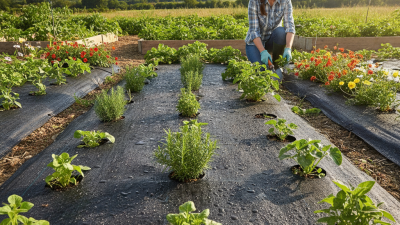
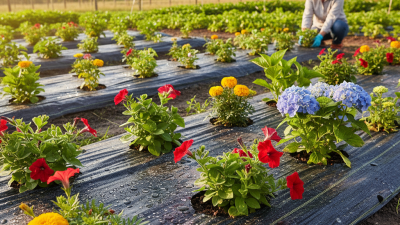
Choosing landscape cloth starts with the garden bed, not the package label. For vegetable rows, a permeable woven fabric can let water reach the soil while reducing weeds between plants. In a curved flower bed, lighter cloth is easier to cut around stems, though it may tear sooner. Check that water passes through the material before buying. A simple hose test helps.

Look for clear information about UV resistance, weight, and intended use. Exposed cloth can break down in strong sun, so cover it with mulch soon after installation. Pin the edges firmly; even a small gap beside a path can invite weeds. Leave room for drip tubing, and avoid pulling fabric tightly over uneven ground. It wrinkles. That matters.

Landscape cloth is not a set-and-forget fix. Windblown seeds can sprout in mulch above it, and soil or roots may eventually collect in the weave. For beds where you regularly add compost or divide perennials, fabric can make routine care awkward. I have found that choosing a smaller area first reveals problems before the whole garden is covered. The best option in 2026 is the one that suits your soil, plants, and maintenance habits—not simply the thickest roll.

How to Install Landscape Cloth for Effective Weed Control

How to Install Landscape Cloth for Effective Weed Control

Landscape cloth works best on prepared, reasonably level soil. Remove visible weeds and their roots, then rake away stones and sharp stems that could puncture the fabric. Check the area after watering; new shoots may appear. Pull them before laying the cloth. It is easy to miss a few.

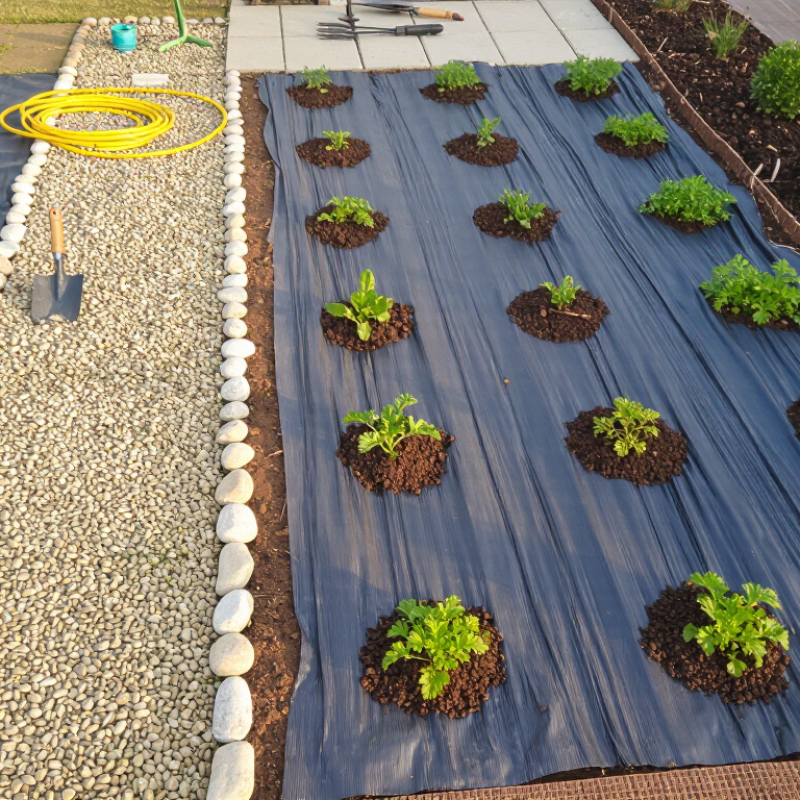
Roll out the fabric with enough overlap to prevent gaps, usually 6 to 12 inches between edges. Secure it with landscape staples, especially along seams and around the perimeter. For existing plants, cut a small X and fold the flaps back carefully. Keep it snug, but do not pull so tightly that water runs off instead of soaking through. Follow the product’s instructions for spacing and anchoring, since fabrics vary.

Cover the cloth with a thin, even layer of mulch to protect it from sunlight and reduce heat buildup. Keep mulch away from plant stems. Check seams after heavy rain, and lift the covering to remove weeds that grow through openings. Landscape cloth can slow many annual weeds, but persistent roots may still find a way through. That limitation is worth considering before covering a large bed; removing or repositioning fabric later can be awkward.

2026 Best Landscape Cloth for Weed Control? How to Install It Effectively

Typical installation guidance varies by product and site conditions. Check the cloth manufacturer’s instructions before installation.

Overlap adjoining fabric edges, cover the cloth with mulch, and secure or bury the edges to help limit gaps where weeds can emerge. Landscape cloth suppresses weeds by blocking light, but it does not eliminate all weeds; regular inspection and maintenance may still be needed.

How to Maintain, Repair, and Replace Landscape Cloth

Inspect landscape cloth each spring and after heavy rain. Pull back mulch near seams, then check for exposed soil, torn edges, and roots growing through the weave. Small cuts can be patched with matching cloth, overlapping the repair by at least six inches and pinning every edge. Clear soil from the seam first. Otherwise, weeds may find the gap.

Keep mulch shallow enough to expose the fabric during checks. A thick, damp layer hides damage and can hold seeds where debris collects. The U.S. EPA’s 2018 materials report recorded 35.4 million tons of yard trimmings in the municipal waste stream; 22.3 million tons were composted or mulched. That scale makes clean handling worthwhile: remove dead weeds and suitable plant debris, but do not bury damaged fabric under fresh mulch.

Replace cloth when UV exposure has made it brittle, seams keep opening, or weeds root across broad areas. Lift it carefully around irrigation lines and established plants. In practice, replacement is rarely as tidy as planned; old roots and compacted soil complicate the job. Remove the failed sheet, loosen the top few inches of soil, and inspect drainage before laying new material. The EPA figures describe yard waste, not fabric lifespan, so inspect the actual installation rather than trusting a fixed replacement schedule.