Skip to content

Why Use Polymeric Sand for Pavers?

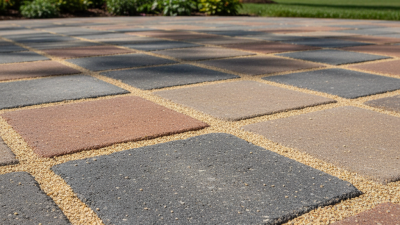
A clean paver patio can look settled and finished, yet its joints still face rain, foot traffic, weeds, and shifting grains. Polymeric sand for pavers is a jointing material made with fine sand and binding additives. When installed and activated correctly, it firms up between pavers and helps limit erosion and weed growth. The result is a neater surface, with less loose grit washing onto steps or collecting along garden edges.

It is useful, but not magic. The paver base, joint width, drainage, and installation conditions still matter. Too much water can wash binder from the joints; too little may leave the sand poorly activated. A dusty haze can also remain on the paver surface if cleanup is rushed. Small details count.

A named expert’s quotation should be checked against a reliable source before publication. No source material or verifiable quotation was provided here, so I won’t invent one or attach words to a real person. That restraint matters. This introduction can still set up a practical guide to the material’s benefits, limits, installation, and maintenance. It should help readers decide when polymeric sand for pavers suits their project—and when careful preparation or a different jointing approach deserves a closer look.
Why Use Polymeric Sand for Pavers?

What Polymeric Sand Is and How It Differs from Jointing Sand

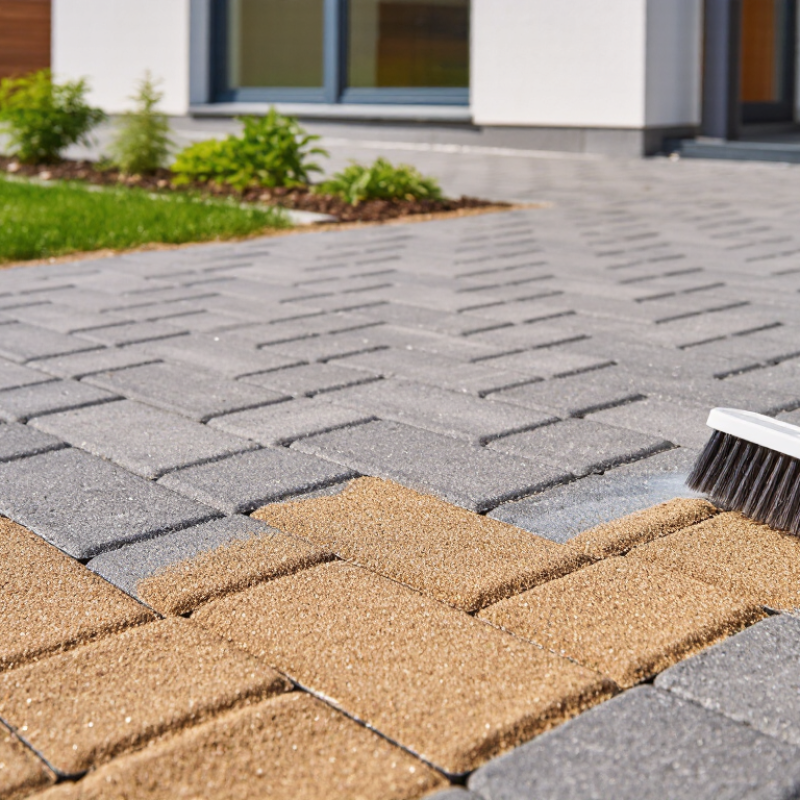
Polymeric sand is a fine aggregate blended with binding polymers. It is swept into paver joints, then lightly misted so the binder sets. Regular jointing sand is generally loose, unbound material. It stays granular and can be easier to replace, but water or sweeping may gradually move it from open joints. Polymeric sand forms a firmer fill that can help limit erosion and discourage weed growth. It does not make joints waterproof.

The difference matters most on patios and paths exposed to rain, cleaning, or foot traffic. A settled joint can help support paver edges, though the base beneath the pavers still does the heavy work. Polymeric sand must suit the joint width and paver surface. Poor installation can leave haze or a brittle, uneven fill. It is not a cure-all, and I would not expect it to fix a shifting base.

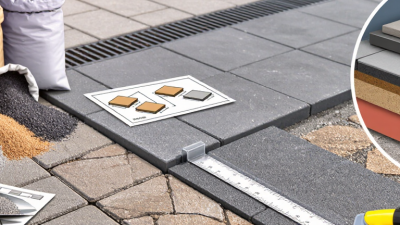
Tips: Sweep out debris and check that joints are dry before application. Use a soft broom, clear dust from the paver faces, and mist gently. Follow the product directions; too much water can wash binder from the joints. A small test area is worthwhile.

Why Use Polymeric Sand for Pavers? — What It Is and How It Differs from Jointing Sand

This chart compares two defining characteristics. Polymeric sand contains polymer binders and is activated with water during installation; loose jointing sand contains no polymer binder and does not rely on water-activated curing. A value of 1 means the characteristic is present; 0 means it is absent.

How Polymeric Sand Binds Paver Joints

Why Use Polymeric Sand for Pavers?

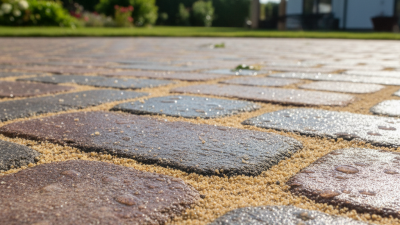
Polymeric sand fills the narrow spaces between pavers, then firms up when lightly misted with water. Its fine grains settle into the joints; water activates binding agents that help hold the particles together. The result is a more stable joint than loose sand alone. It is not concrete, though. A joint can still soften or wash out if the base drains poorly or the sand is overwatered.

Installation details matter. Sweep the sand across dry pavers, compact it into the joints, and remove surface residue before wetting. Even small grains left on the faces can dry into a stubborn haze. Industry guidance from the Interlocking Concrete Pavement Institute emphasizes properly filled joints and suitable jointing sand. As a useful gradation reference, ASTM C144 specifies that 95–100% of fine aggregate passes the No. 8 sieve; this is a masonry-sand standard, not a guarantee that every polymeric product fits every paver joint. Check the paving system’s joint-width and installation requirements. I have seen the tempting shortcut: one quick spray. It often leaves unevenly cured joints.

Go gently, and let the surface dry fully.

Key Benefits of Using Polymeric Sand for Pavers

Polymeric sand fills the joints between pavers and hardens when activated with water. This helps hold neighboring stones in place, reducing movement under foot traffic and limiting the gradual widening of joints. The surface feels more settled. On a patio, that can mean fewer loose grains tracked indoors after rain.

A well-filled joint also makes it harder for weeds to take root and for rain to wash ordinary sand away. It will not stop every weed; seeds can still sprout in dust or debris on top. Installation matters. Pavers and joints should be dry before sweeping, and excess sand must be cleared from the surface before light misting. Otherwise, residue may leave a haze. Follow the product directions, especially for watering and curing time. It is not a fix for poor drainage, either. I would not treat it as a permanent, maintenance-free joint; occasional inspection still makes sense.

Where Polymeric Sand Works Best

Why Use Polymeric Sand for Pavers?
Where Polymeric Sand Works Best

Polymeric sand is most useful where pavers have stable, consistent joints. Think of a backyard patio, a garden path, or a driveway with tightly fitted concrete pavers. When activated with water according to product directions, the sand binds within the joints and helps resist washout and movement. It can also make it harder for weeds to take hold, though it will not prevent every weed.

The setting matters. Joints need suitable depth and width, and the paver surface should be clean and dry before application. Poor drainage, shifting pavers, or joints that are too narrow can lead to disappointing results. On a sloped area, follow the product’s slope guidance rather than assuming the sand will stay put. It is not a repair for an unstable base. That distinction is easy to overlook.

Tips: Sweep carefully, remove dust from the paver faces, and use a gentle, controlled water spray. Too much water may wash material from the joints; too little may leave it poorly activated. Check the instructions for your specific paving material, since installation details vary. Afterward, inspect the joints once they have cured. A few low spots may need attention.

Factors to Consider When Installing and Maintaining It

Why Use Polymeric Sand for Pavers? Factors to Consider When Installing and Maintaining It

Polymeric sand can help lock pavers in place and limit weed growth, but the result depends on careful installation. Check the joint-width range on the product label; an overly wide or deep joint may not bind properly.

The pavers and joints must be dry before sweeping, or stray grains can cling to the surface like a pale film. I still find this step easy to underestimate. Compact the pavers, refill any settled joints, then remove every visible grain before adding water. Apply water in gentle passes, not one forceful rinse that washes binder away.

Drainage matters. Low spots can hold water, while steep slopes may erode joints; correct the base or surface first.

ASTM C936/C936M sets a maximum average water absorption of 5% for concrete pavers, with no individual unit above 7%. That figure applies to the pavers, not the joint sand, but it highlights why the whole system matters. Concrete Masonry & Hardscapes Association installation guidance also emphasizes full, compacted joints and proper surface preparation.

After curing, inspect joints after heavy rain and seasonal freeze-thaw cycles. Refill gaps where needed, and avoid aggressive pressure washing directly at the joints.

It is not maintenance-free. Some joints may still crack or loosen, especially where water drains poorly.