What Is the Best Driveway Fabric for Gravel?
Choosing the best driveway fabric for gravel is not simply a matter of buying the thickest roll. The right material must match the soil, drainage, traffic, gravel depth, and local weather. A muddy clay driveway needs different support than a firm, sandy entrance. That difference matters under every tire.
Dr. Robert M. Koerner, a respected geosynthetics educator, described geotextiles as “permeable textile materials used in contact with soil.” This definition explains the basic purpose of driveway fabric. It separates the gravel from the subgrade while allowing water to move through the surface. A woven fabric often provides strong separation and reinforcement beneath heavy vehicles. A nonwoven fabric may offer better filtration and drainage where water movement is the main concern. Neither option is perfect for every site.
Field conditions can be stubborn. A fabric may perform well on paper but fail when installed over sharp rocks, standing water, or poorly compacted soil. I have seen gravel disappear into soft ground within one season. The problem was not always the product. Sometimes, the base preparation was too weak.
This guide examines woven and nonwoven driveway fabric, fabric weight, strength, drainage, installation, and long-term maintenance. It also considers cost, vehicle loads, and regional climate. The goal is practical rather than absolute: identify the fabric that fits your driveway, not the one with the most impressive label. A careful choice saves gravel, reduces ruts, and creates a more stable driving surface. Still, no fabric can correct every construction mistake.
What Is Driveway Fabric and Why Is It Used Under Gravel?
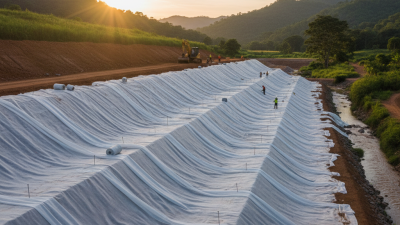
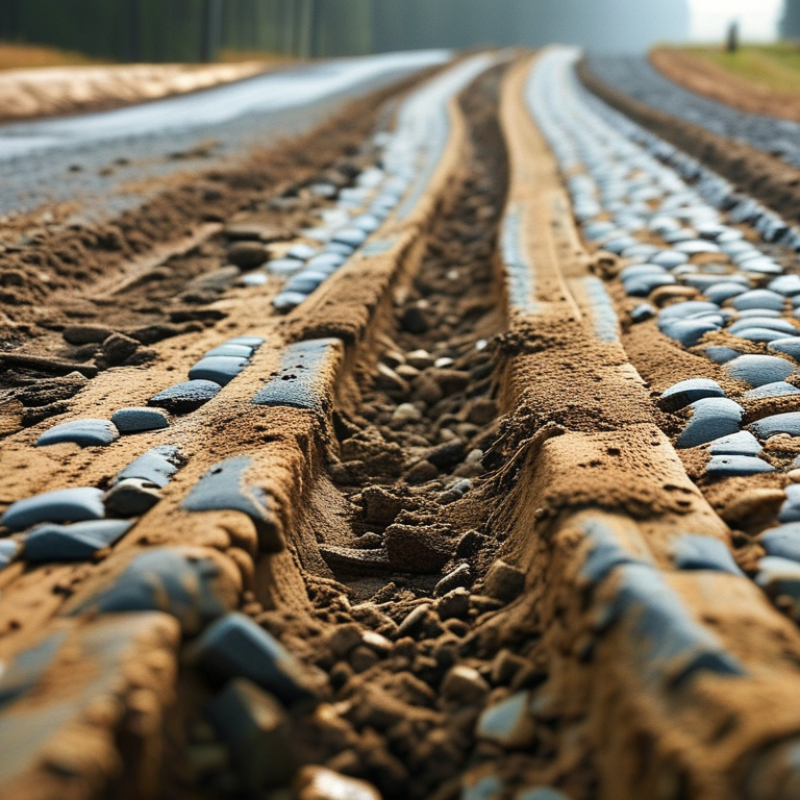
Driveway fabric is a geotextile placed between native soil and a gravel layer. It creates a stable boundary beneath the driveway. Without it, gravel presses into mud and weak soil. After heavy rain, wheel ruts can appear quickly. The fabric limits soil and gravel mixing while allowing water to pass. That separation is its main job. It is not decoration.
For most gravel driveways, woven fabric provides strong resistance against stretching and vehicle loads. Nonwoven fabric offers better drainage and can suit areas needing water movement. On weak clay or saturated ground, heavier woven fabric is often more suitable. The best choice depends on soil, traffic, drainage, and stone depth. A professional assessment should include a small test excavation. Check for standing water, soft spots, and roots. Fabric cannot correct a poor slope. That detail is easy to overlook.
Installation strongly affects performance. Remove organic soil, smooth sharp stones, and overlap seams securely. Extend the fabric beyond the driving area where possible. Spread angular gravel carefully, then compact it in lifts. I have seen fabric fail when workers dragged it across exposed rubble. That mistake causes tears before the first vehicle arrives. I would also avoid assuming thicker fabric is always better. Local soil can surprise you. A carefully installed, permeable fabric matched to the site usually performs better than an oversized product installed carelessly.
Which Types of Fabric Work Best for Gravel Driveways?
The best fabric depends on the driveway’s soil, traffic, and drainage. For most gravel driveways, woven geotextile fabric provides strong separation and good tensile support. It keeps clay from mixing into the stone, especially under repeated vehicle loads. Nonwoven fabric offers better water filtration and drainage. However, it stretches more easily and may not control soft soil as effectively.
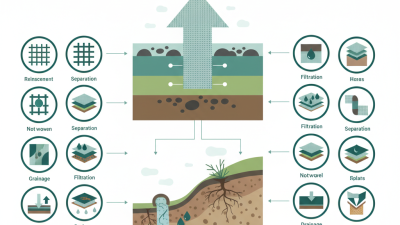
The Federal Highway Administration’s Geosynthetic Design and Construction Guidelines identifies separation, filtration, and reinforcement as key geotextile functions. ASTM D4751 measures apparent opening size, which helps engineers match fabric to soil particles. ASTM D4595 evaluates tensile strength, but strength alone can mislead. A strong fabric may still fail if water cannot escape.
I once assumed thicker fabric was always better. That was incomplete. A poorly prepared base can defeat expensive material quickly.
Tips:
Test the soil after rain. If footprints remain deep, choose a stronger woven fabric or add reinforcement. Remove sharp roots and stones before installation. Overlap seams by about 300 millimeters, and extend fabric beyond the driving area. Use clean, angular gravel above it. Recycled or rounded stone may shift more easily. The FHWA guidance also stresses installation damage, so avoid dragging heavy equipment directly across exposed fabric. Small mistakes matter.
How to Compare Driveway Fabrics by Strength, Drainage, and Durability
What Is the Best Driveway Fabric for Gravel?
How to Compare Driveway Fabrics by Strength, Drainage, and Durability
A reliable driveway fabric must resist punctures, separate soil, and support repeated vehicle loads. In field inspections, weak fabric often shows itself through ruts, muddy patches, and exposed gravel. Strength should match the driveway’s conditions. A light residential path may need less reinforcement than a route used by delivery trucks or farm equipment. Check tensile strength, puncture resistance, and seam quality before choosing.
Drainage matters just as much. Water trapped beneath gravel can soften soil and create deep wheel tracks. A permeable fabric allows rainwater to move through while limiting the upward migration of clay and silt. On one project, a slight slope and properly overlapped fabric reduced standing water after heavy storms. The result was not perfect. One low corner still collected water because the surrounding grade was poorly shaped.
Durability depends on installation, not fabric alone. Remove sharp stones, compact the subgrade, and overlap joints generously. Extend the material beyond the driveway edges when possible. Cover it with enough gravel to prevent sunlight and tire damage. I usually inspect the surface after the first season, especially near turning areas. That check can reveal shifting gravel before small problems become expensive repairs. A stronger fabric may cost more initially, but replacing contaminated gravel is often the larger expense.
What Is the Best Driveway Fabric for Gravel?
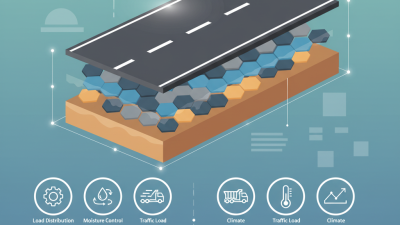
This comparative index rates common driveway geotextile categories from 1 to 10 using typical performance characteristics. Woven polypropylene generally provides the highest tensile and puncture resistance, while nonwoven polypropylene usually offers better drainage and filtration. A stronger, well-installed fabric is often the most durable choice for gravel driveways exposed to vehicle loads and soft subgrades.
Ratings are comparative engineering indicators rather than laboratory specifications. Actual performance depends on fabric weight, tensile strength, puncture resistance, soil conditions, drainage design, installation quality, and traffic loads.
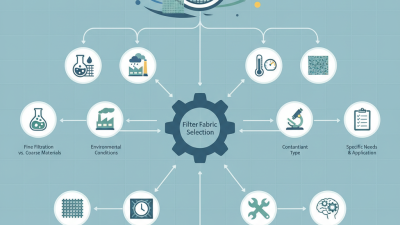
How to Choose the Right Fabric for Your Soil and Traffic Conditions
What Is the Best Driveway Fabric for Gravel?
The best driveway fabric depends on soil strength, moisture, and vehicle weight. I would not choose fabric by thickness alone. Weak clay needs stronger separation than firm, dry sand. Without separation, gravel gradually sinks into the subgrade. Ruts appear after repeated rain and traffic.
For soft clay or frequent truck traffic, use a woven geotextile with high tensile strength. It should resist stretching and keep the aggregate layer intact. A driveway carrying only cars may need a lighter woven fabric. Sandy, well-drained soil usually requires less reinforcement. Nonwoven fabric can help filter water, but it may stretch more under heavy loads. This difference matters.
Drainage deserves close attention. Fabric cannot repair a driveway built over trapped water. Remove roots and organic soil before installation. Shape the surface with a slight crown, then overlap fabric seams by roughly 12 to 18 inches. Cover it promptly, because exposed fabric can shift or tear. A gravel layer of about 6 to 8 inches suits many residential drives, while weak soil may require more. I once underestimated wet clay; the surface looked solid until delivery trucks arrived. That mistake taught me to inspect the soil after rain, not only on a dry installation day. Local soil testing can provide better guidance than a generic product label.
How to Install Fabric Beneath a Gravel Driveway Step by Step
What Is the Best Driveway Fabric for Gravel?
How to Install Fabric Beneath a Gravel Driveway Step by Step
Choose a woven geotextile fabric with high puncture resistance and proper water permeability. The Federal Highway Administration’s NHI-07-092 guidance identifies separation, filtration, drainage, and reinforcement as four key geotextile functions. This matters on clay or wet soil. A nonwoven fabric may drain well, but woven fabric usually provides stronger separation under vehicle loads. Check the product’s published tensile strength, puncture resistance, and apparent opening size. Do not choose by thickness alone.
Remove vegetation, roots, and soft topsoil first. Shape the driveway with a slight crown for runoff. I once skipped this step on a small access lane. The gravel looked fine, but rain quickly created wheel ruts. Compact the subgrade, then unroll the fabric across the driving direction. Overlap seams by at least 12 inches, or more on unstable ground. Secure edges with landscape staples, keeping the fabric flat and wrinkle-free. Place six to eight inches of angular base gravel over it, then add two to four inches of surface gravel. Dump gravel carefully. Do not drag a loaded bucket across exposed fabric.
Tips: Use clean, angular aggregate, not rounded river stone. The 2024 U.S. Geological Survey Mineral Commodity Summaries reported about 960 million metric tons of construction sand and gravel produced in the United States during 2023. That scale reflects how commonly aggregate supports infrastructure, but local grading still matters. Inspect after the first heavy rain. Adjust the crown if water remains. My own preference is conservative overlap, because repairs cost more than extra fabric.