What Is a Drilling Rig and How Does It Work?
A Drilling Rig is a coordinated system of machines and equipment used to create a wellbore in the ground. Depending on the project, it may support exploration, water supply, geothermal energy, or oil and gas production. The rig does more than turn a drill bit. It raises and lowers the drill string, circulates drilling fluid, and helps workers monitor conditions underground. Each task relies on equipment working together.
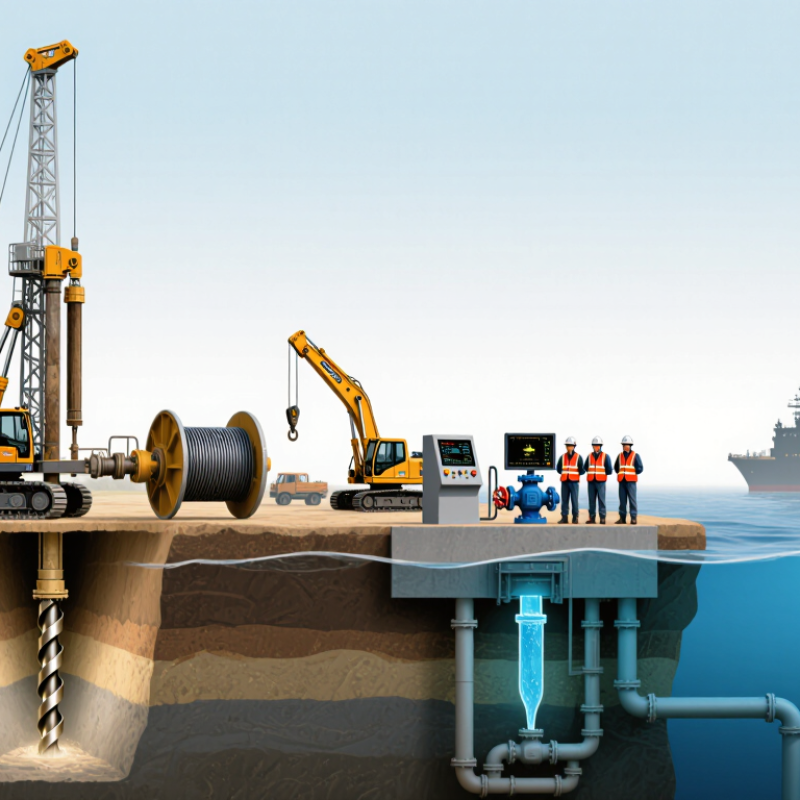
On a typical rig, the derrick or mast supports lifting operations, while a drawworks raises or lowers heavy components. The rotary system turns the drill string, and pumps move drilling fluid through it. That fluid cools the bit and carries cuttings toward the surface. Controls and sensors help the crew track pressure, depth, and equipment performance. The exact setup varies. Offshore platforms, compact land rigs, and mobile workover units are not interchangeable.
Understanding the process means looking beyond the visible machinery. A rig’s design depends on well depth, geology, site access, and operating conditions. Trained crews follow documented procedures, inspect equipment, and respond to changing readings. Small details matter, such as a worn hose or an unexpected pressure change. Yet a diagram cannot show every decision made on site. Real operations are complex, and no single rig layout tells the whole story. This guide explains the main components and how they work together, while keeping that limitation in view.
What a Drilling Rig Is and What It Does
What Is a Drilling Rig and How Does It Work?
A drilling rig is a coordinated machine system used to create a deep hole in the ground. It supports the drill string, rotates the drill bit, and controls pressure during drilling. The main structure includes a mast, hoisting equipment, a rotary drive, pumps, and monitoring instruments. Each part has a specific job.
The hoisting system raises and lowers sections of drill pipe. The rotary drive turns the drill string and transfers torque to the bit. As the bit cuts through rock, drilling fluid flows down the pipe and returns through the surrounding space. This fluid carries rock fragments upward, cools the bit, and helps stabilize the hole. Sensors track weight, torque, pressure, speed, and fluid flow throughout the operation.
It looks simple on a diagram.
In practice, it is not. Rock layers can change unexpectedly, and small pressure variations may affect drilling performance. Operators adjust speed, fluid properties, and weight on the bit based on live readings. Casing is installed when needed to support unstable sections of the hole. Field crews also inspect connections, pumps, cables, and safety controls before and during work. A drilling rig cannot correct every mistake automatically. Good judgment still matters, and even experienced teams may need to revise their plan.
The Main Components of a Drilling Rig
A drilling rig is a coordinated machine that creates a controlled path into the ground. Its components must work together under heavy loads, vibration, and changing geological conditions. The mast, or derrick, supports the drilling equipment above the well. The substructure raises this framework and provides a stable working platform. Steel beams carry the load. They also leave space for workers and pipe handling.
The hoisting system includes the drawworks, drilling line, crown block, and traveling block. Together, these parts lift and lower the drill string. The rotary system then turns the drill bit. Depending on the rig design, a rotary table or top drive performs this task. The drill string transfers torque and weight to the bit. Small alignment errors can increase wear quickly.
Drilling fluid moves through pumps, pipes, and the drill string. It cools the bit, carries rock cuttings upward, and supports pressure control. Screens and tanks remove unwanted solids from the returning fluid. Power systems drive the pumps, hoisting equipment, and control units. Pressure-control equipment sits above the well and helps contain formation pressure. Operators monitor gauges, flow rates, and vibration continuously. A common mistake is treating these readings as separate signals. They often reveal one developing problem. No rig operates perfectly. Weather, rock hardness, and maintenance quality can change performance within hours.
What Is a Drilling Rig and How Does It Work?
Main component groups of a conventional land drilling rig
The chart shows the number of representative components commonly associated with each major drilling-rig system. The hoisting system raises and lowers the drill string, the rotating system turns the bit, and the circulation system pumps drilling fluid through the well. Well-control equipment manages pressure, while the power system supplies energy to the rig.
How a Drilling Site Is Prepared
What Is a Drilling Rig and How Does It Work?
Before a drilling rig arrives, the site must be made stable, accessible, and safe. Engineers review soil strength, groundwater, nearby structures, and underground utilities. Surveyors mark the well position with precise coordinates. Access roads may need compacted gravel, especially after rain. The working pad must support heavy equipment without sinking or shifting. Drainage channels guide stormwater away from the rig and prevent muddy surfaces.
Site preparation also includes fencing, lighting, emergency access, and clearly marked pedestrian routes. Crews install power, water storage, fuel controls, and systems for managing drilling fluids. A level foundation helps the mast remain upright during drilling. Small errors matter. A poorly placed drain can flood the work area overnight. In practice, plans rarely survive unchanged; unexpected clay, buried rock, or weak ground may require redesign. That is where experienced supervision becomes essential.
Tips: Inspect the ground after heavy rain. Confirm utility locations before excavation. Keep the rig’s travel path clear. Store materials away from edges and drainage lines. Check the pad level before mast assembly. Do not rush this stage. A shortcut here can create expensive delays and serious safety risks later. Field notes should record changing ground conditions, inspections, and corrective actions, even when the changes seem minor.
How a Drilling Rig Creates and Extends a Borehole
A drilling rig is a coordinated system that creates a borehole through controlled rotation, downward force, and continuous removal of cuttings. The drill bit breaks rock or soil at the bottom. A motor turns the drill string, while hydraulic equipment controls pressure and movement. The operator watches torque, penetration rate, and vibration. These readings reveal how the formation is responding.
Cuttings must leave the hole. Air, water, or drilling fluid carries them upward through the annular space around the drill string. In loose ground, the borehole may collapse before drilling is complete. Steel casing then supports the walls and keeps unstable layers apart. The crew lowers casing in sections, checks its alignment, and secures each connection carefully. Small mistakes can become expensive problems.
To extend the borehole, workers add another drill pipe section when the current string reaches its working limit. The rig lifts the string, connects the new section, and resumes drilling. Depth is tracked from pipe length and downhole measurements. A slight deviation may grow with every added section, especially in fractured rock. That is why experienced crews inspect samples, compare instrument readings, and adjust drilling pressure gradually. The process is not perfectly predictable. Ground conditions can change within a few feet. A reliable operation leaves room for that uncertainty, rather than forcing the equipment beyond safe limits.
How Drilling Operations Are Monitored and Controlled
On a drilling rig, monitoring begins with sensors and the people reading them. The driller watches weight on the bit, rotary speed, torque, and pump pressure on a console. Mud returns flow through a vibrating screen, while gauges track the fluid moving into and out of the well. Small changes matter. A falling return flow or rising pressure may signal a developing problem, but neither reading explains the cause by itself.
The crew compares live readings with the drilling plan and conditions downhole. They may adjust the rate of penetration, rotation, or pump flow to keep the operation within set limits. Alarms draw attention to unusual values, and automated controls can stop or restrict equipment when certain thresholds are crossed. Still, an alarm is not a diagnosis. Crews check instruments, communicate across the rig floor, and confirm what is happening before making changes.
Monitoring systems are only as reliable as their sensors and the people interpreting them. A gauge can drift; a display can lag. The driller’s view is useful, but it is not the well itself. Regular checks, clear shift handovers, and careful records help reveal patterns that a single reading may miss. There is room for uncertainty, especially when readings conflict, so decisions should be documented and reviewed against actual conditions.