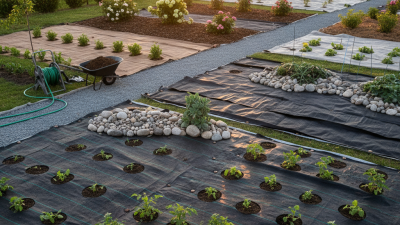
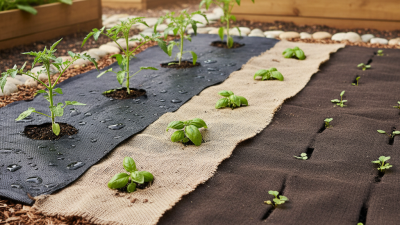
What is Weed Barrier Fabric and How Does It Work?
Weed barrier fabric is a crucial tool for gardeners and landscapers. It helps control unwanted plant growth effectively. This fabric is designed to block sunlight, preventing weeds from sprouting. Many homeowners appreciate its practicality.
Using weed barrier fabric can simplify garden maintenance. You lay it down before planting, creating a protective layer. Some types allow water and nutrients to pass through. This means plants can still get the essentials they need. Yet, not all fabrics perform equally well.
Gardners must choose wisely. Different fabrics have various lifespans and effectiveness. Some may tear easily, while others hold up better. Understanding your options is essential. This fabric has its limitations and requires proper installation. It is not a one-size-fits-all solution.
What is Weed Barrier Fabric?
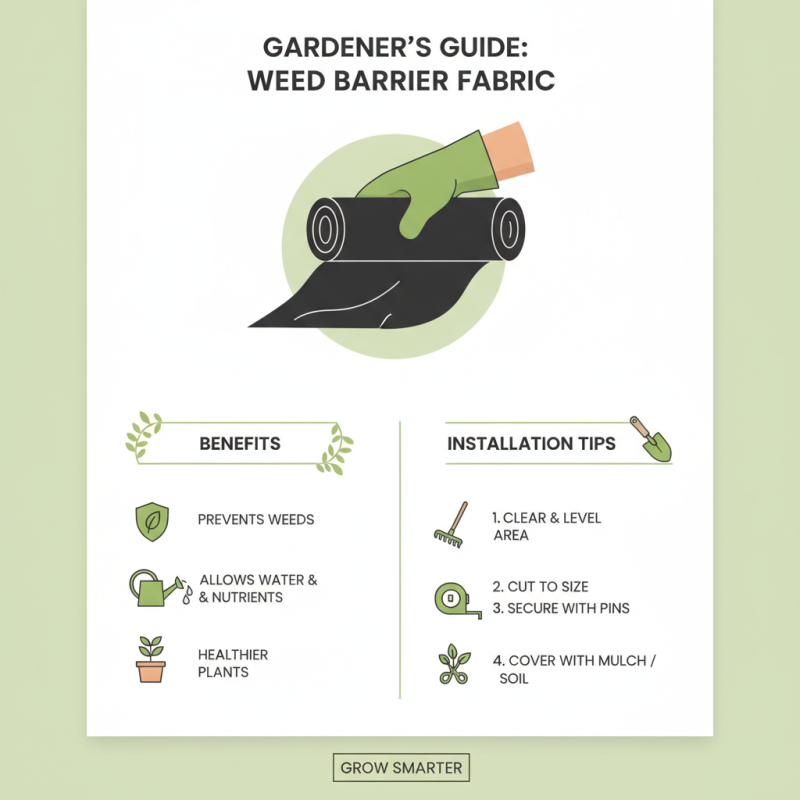
Weed barrier fabric is a crucial tool for gardeners. Its primary purpose is to suppress weed growth. This specially designed landscape fabric allows air and water to reach the soil. At the same time, it blocks sunlight to prevent weeds from sprouting. The fabric is often made from woven polypropylene or other durable materials.
Using weed barrier fabric has its challenges. While it can be effective, some users find that weeds can still emerge at the edges. Over time, soil can accumulate on top of the fabric, allowing some persistent weeds to take root. It’s essential to observe this regularly and address any areas of concern.
Tips: Secure the fabric properly at the edges. Use landscape staples to keep it in place. Check for any gaps where weeds might slip through. Regular maintenance is key to maximizing the fabric's effectiveness. Sometimes, additional mulch or compost on top of the fabric can provide extra protection.
What is Weed Barrier Fabric and How Does It Work?
| Dimension |
Description |
| Material |
Typically made from woven or non-woven polypropylene or jute. |
| Function |
Prevents weed growth while allowing air and water to permeate. |
| Sizing |
Available in various dimensions; common sizes include 3ft x 50ft, 4ft x 50ft, and larger rolls. |
| Benefits |
Reduces the need for chemical herbicides, conserves soil moisture, and enhances plant health. |
| Installation |
Easily laid down over soil, secured with landscape fabric pins or stones. |
| Lifespan |
Generally lasts 3-5 years depending on environmental conditions. |
Types of Weed Barrier Fabrics Available
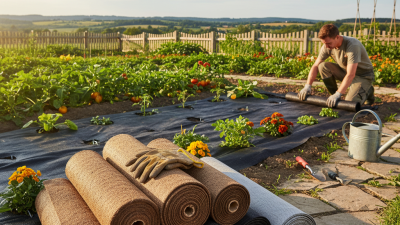
Weed barrier fabric is essential for effective weed management in gardens and landscapes. Various types are available, each suited for different purposes. Common types include woven, non-woven, and plastic fabrics.
Woven fabrics allow water and air to penetrate, while blocking sunlight that weeds need. They are durable and can last for many years. According to a report by the Horticultural Research Institute, these fabrics can reduce weed growth by up to 95%. Meanwhile, non-woven fabrics tend to be lighter and easier to cut. They provide excellent drainage and can still suppress weed growth effectively.
Tips: When choosing fabric, consider the plant types and local climate.
Plastic barriers are a budget-friendly option. They are easy to install but may not allow enough air and water to pass through. Improper installation can lead to water pooling. Sometimes, people overlook the importance of soil health, which can impact weed growth. Prioritize improving soil conditions regardless of the type of fabric chosen.
In conclusion, understanding the pros and cons of each type can make a big difference in weed management success.
Weed Barrier Fabric Types and Their Effectiveness
How Weed Barrier Fabric Controls Weeds
Weed barrier fabric is an effective tool for controlling weeds in gardens and landscaping.
This fabric is typically made from woven or non-woven materials. It allows water and nutrients to reach the soil, while blocking sunlight.
This sunlight blockage is crucial, as most weeds rely on it to grow. When sunlight is limited, many weeds struggle to thrive.
In practice, using weed barrier fabric involves careful installation.
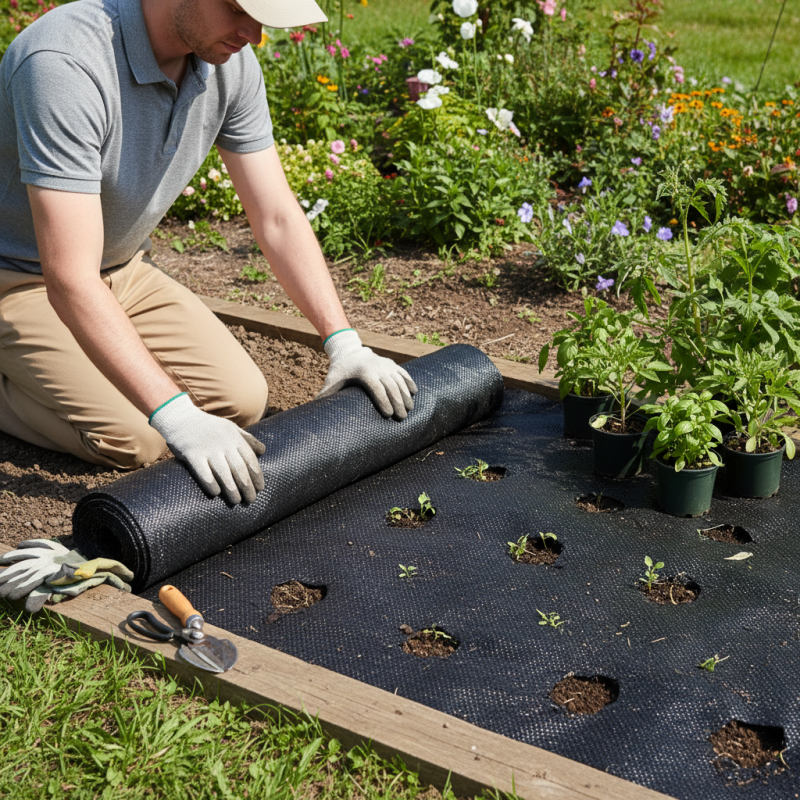
It should be laid down flat, with edges overlapping to prevent gaps. Many people rush this step, leading to less effective weed control.
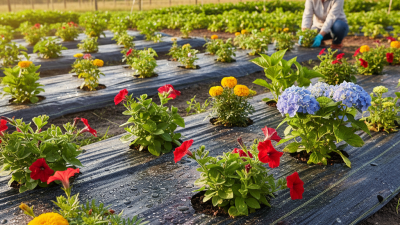
The fabric can be punctured for planting flowers or vegetables. This creates small holes, but it is essential not to overdo it.
More holes can lead to weed growth around the plants.
Over time, some users notice weeds still poking through. This can happen if the fabric is old or damaged.
Be sure to check the fabric regularly, and replace it as needed. It’s a constant game of balance.
Achieving a weed-free garden requires attention and sometimes comes with surprises.
Benefits of Using Weed Barrier Fabric in Landscaping
Weed barrier fabric is a great tool for landscaping. It prevents unwanted plants from growing. By blocking sunlight, it hinders weed growth effectively. This helps gardeners focus on their desired plants. The fabric is made from durable materials that withstand weather elements.
One of the main benefits is reduced maintenance. With weed barriers, gardening requires less time and effort. You can enjoy a cleaner garden space with minimal weeds. However, choosing the right fabric is crucial. Some fabrics may degrade too quickly or not allow water and air to penetrate properly. This can lead to problems for your plants.
Additionally, using weed barrier fabric can enhance soil health. It retains moisture while preventing soil erosion. However, if not installed correctly, it can trap excess water. This may cause root rot in certain plants. Regular inspections are necessary to ensure effectiveness. Overall, it’s about finding the right balance in your gardening approach.