How to Use Geotextile Membrane for Effective Soil Management?
Geotextile membranes play a crucial role in soil management today. According to the U.S. Environmental Protection Agency, improper soil management contributes to over 1.5 billion tons of soil erosion annually. This staggering number highlights the urgent need to implement effective strategies using geotextile membranes.
These membranes provide effective solutions for controlling erosion and improving soil stability. They act as a barrier, allowing water to pass while trapping soil particles. A report by the International Geosynthetics Society states that using geotextile membranes can reduce soil loss by up to 90%. This statistic emphasizes their importance in protecting valuable agricultural land.
However, challenges remain in integrating these materials effectively. Selection criteria for geotextile membranes can be complex, and mistakes are common. Misplacement or inadequate maintenance can lead to failures that waste resources and undermine project goals. Addressing these issues is essential for maximizing the benefits of geotextile membranes in soil management.
Understanding Geotextile Membranes and Their Features
Geotextile membranes are essential tools in modern soil management. They serve multiple purposes, including erosion control, stabilization, and drainage. Made from synthetic fibers, these membranes can retain soil while allowing water to pass through. This dual functionality helps maintain soil structure and health.
The features of geotextile membranes can vary. Some are designed for temporary use, while others are intended for long-term applications. The choice of membrane depends on specific soil conditions and project requirements. For instance, lightweight membranes may work for certain landscapes but fail under heavy load conditions. Users often underestimate how this choice affects performance over time.
Many professionals overlook the importance of installation techniques. Proper alignment and secure anchoring are crucial for effectiveness. Mistakes in these areas can lead to soil erosion or water pooling. Testing the membrane under real-world conditions can reveal unforeseen issues that affect success. Regular assessments of the installed membrane can help in making necessary adjustments.
Soil Management Effectiveness Using Geotextile Membranes
This chart illustrates the effectiveness of various soil management techniques when using geotextile membranes. The data shows that soil stabilization and erosion control are the most effective practices, while weed control ranks lower in effectiveness.
Benefits of Using Geotextile Membranes in Soil Management
Geotextile membranes play a crucial role in soil management. They offer numerous benefits that enhance agricultural practices. These membranes help separate soil layers, which can prevent erosion and promote better water absorption. By controlling moisture, they aid in maintaining soil structure. Healthy soil leads to stronger crops and improved yields.
Using geotextiles also boosts soil drainage. They can filter out pollutants and prevent them from contaminating nearby waterways. This aspect is especially valuable in urban areas facing runoff issues. Reduced erosion can lead to better fertility over time. However, one must consider the installation process. Ensuring proper placement and maintenance can be a challenge.
The environmental benefits are significant. Geotextiles reduce the need for chemical treatments. Less chemicals mean healthier ecosystems. Yet, it's essential to recognize the limitations of geotextiles. Improper installation can cause drainage issues. Users should reflect on the local conditions before implementing these solutions. Every project requires a tailored approach for optimal results.
How to Use Geotextile Membrane for Effective Soil Management? - Benefits of Using Geotextile Membranes in Soil Management
| Benefit |
Description |
Application |
Cost-Effectiveness |
| Erosion Control |
Helps stabilize soil and prevent erosion by wind and water. |
Used on slopes, riverbanks, and construction sites. |
Reduces costs related to soil loss and restoration. |
| Improved Drainage |
Facilitates water movement through soil, reducing saturation. |
Implemented in drainage ditches and beneath roads. |
Minimizes muddy conditions preventing infrastructure damage. |
| Weed Control |
Blocks sunlight access to weeds, reducing their growth. |
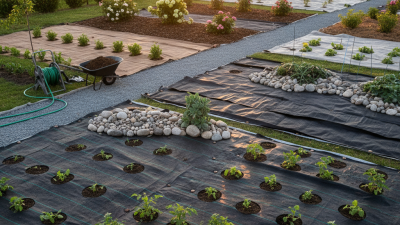
Used in gardens, agricultural fields, and landscaping. |
Lowers expenses on herbicides and manual weeding. |
| Soil Separation |
Prevents mixing of different soil layers. |
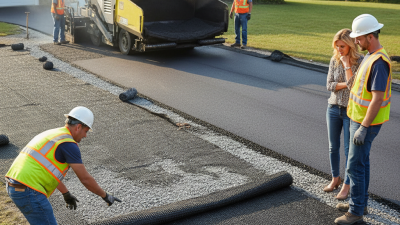
Utilized in road construction and landfills. |
Ensures the integrity of materials decreases the need for maintenance. |
| Moisture Retention |
Helps maintain soil moisture levels for plant growth. |
Beneficial in agricultural settings and landscaping. |
Reduces irrigation costs by maintaining moisture. |
Installation Techniques for Geotextile Membranes in Various Environments
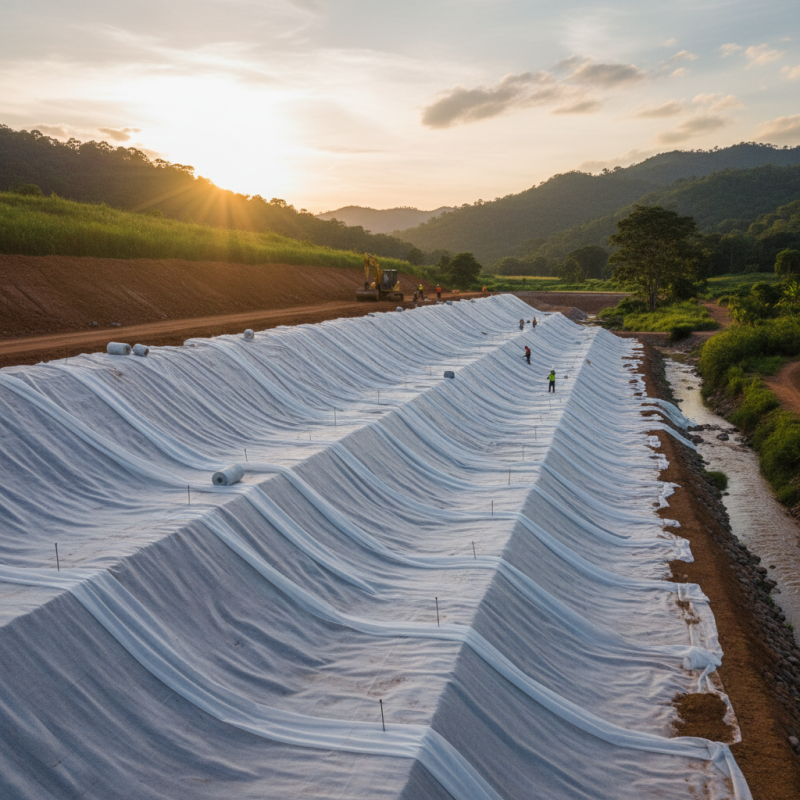
Geotextile membranes play a crucial role in soil management across various environments. Their installation techniques vary significantly based on the specific site conditions. In wetlands, for instance, proper positioning ensures water drainage while reinforcing soil structure. Studies show that effective installation can enhance soil stability by up to 40%.
In urban areas, the layering of geotextile fabrics is vital for controlling erosion. It helps retain soil moisture and prevents surface runoff. Proper alignment and tension during installation are essential. Any misalignment can lead to soil displacement. According to the International Geosynthetics Society, over 30% of installations face performance issues due to poor placement.
When installing geotextiles on slopes, following best practices is crucial. The angle of installation can greatly affect the material's effectiveness. Common mistakes include inadequate anchoring or not considering hydraulic conditions. These oversights can reduce the lifespan of the membrane by half. Understanding site-specific requirements is key to maximizing the benefits of geotextile membranes in soil management.
Maintenance Practices for Geotextile Membrane Durability
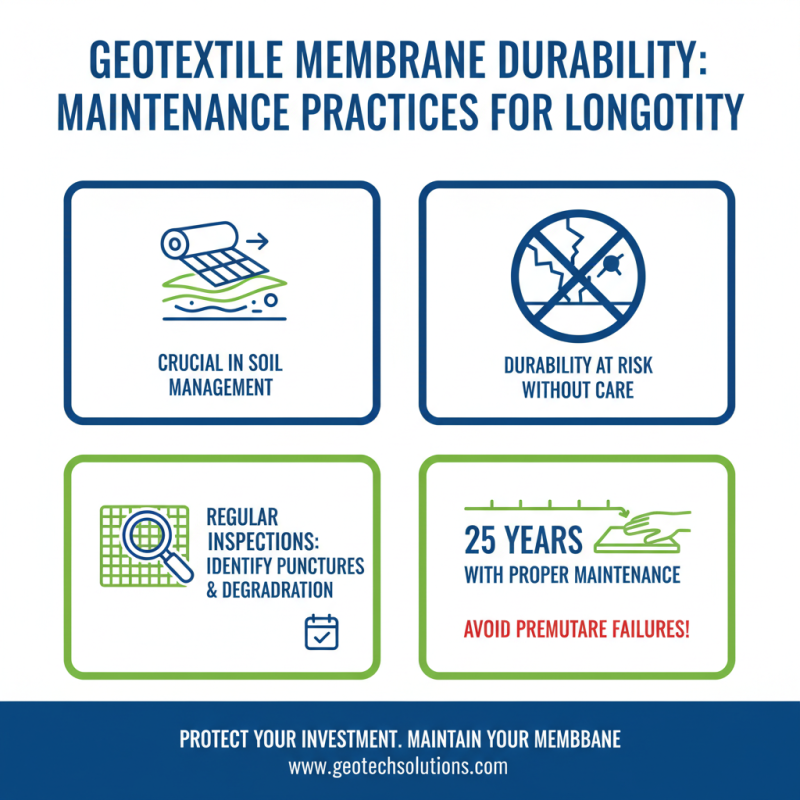
Geotextile membranes play a crucial role in soil management. However, their durability can be compromised without proper maintenance practices. Regular inspections can help identify potential issues such as punctures or degradation. According to industry standards, membranes can last up to 25 years if maintained correctly. Yet, many users overlook this aspect, leading to premature failures.
Cleaning is essential to maintaining membrane integrity. Accumulated debris can affect drainage and cause soil erosion. A report by the Geosynthetic Research Institute highlights that regular cleaning can reduce maintenance costs by up to 30%. It's important to use gentle methods. High-pressure washing can damage the membrane, so caution is necessary.
Care during installation also affects longevity. The environment and soil conditions should be carefully assessed. Inadequate knowledge can lead to improper placement, risking the membrane's effectiveness. Sometimes, users rush this process, thinking it saves time. However, neglecting these details could result in greater issues down the line. Ensuring consistent maintenance and diligence can significantly extend the lifespan of geotextile membranes in soil management applications.
Case Studies: Successful Applications of Geotextile Membranes in Soil Management
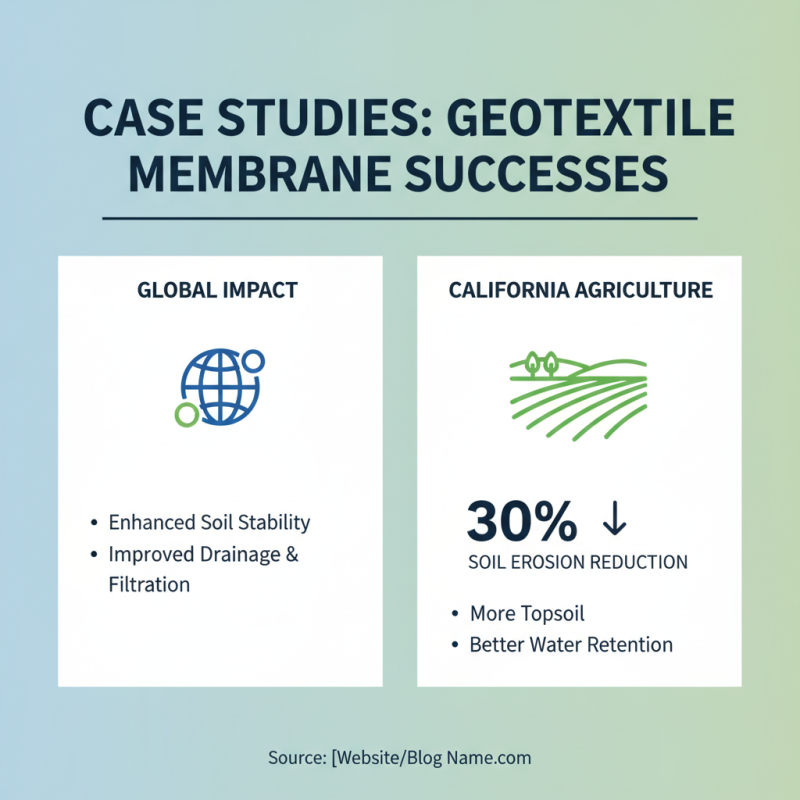
Geotextile membranes have proven effective in soil management across various environments. For example, a case study in California demonstrated a 30% reduction in soil erosion in agricultural fields using geotextiles. This approach not only preserved topsoil but also enhanced water retention.
Another case study conducted in Europe highlighted the role of geotextile membranes in infrastructure projects. Here, geotextiles improved stability, reducing the risk of land slides by over 25%. The membranes worked by reinforcing and separating soil layers, which is crucial in areas with heavy rainfall.
Despite these successes, challenges remain. Some projects faced issues like membrane degradation over time. Regular monitoring and maintenance are essential to ensure longevity. Industry reports suggest a need for more robust testing of materials to assess their durability. As the use of geotextiles continues to grow, evaluation of their performance in diverse climates is also necessary.