2025 Top 5 Landscape Cloth Options for Your Garden Needs
As the gardening season approaches, selecting the right materials for garden maintenance becomes essential. One crucial element that every gardener should consider is landscape cloth. This versatile fabric not only helps suppress weeds but also improves soil moisture retention and promotes healthier plant growth. According to Jane Thornton, a renowned landscape designer and author of "Green Spaces," "Investing in quality landscape cloth can dramatically enhance the aesthetics and sustainability of your garden."
In 2025, with an abundance of options available on the market, it's important to identify the top products that cater to various garden needs. From biodegradable fabrics to heavy-duty synthetic materials, the landscape cloth selection can be overwhelming. Understanding the features and benefits of each type can help gardeners make informed decisions to effectively manage their landscapes.
Join us as we delve into the top five landscape cloth options for 2025, assessing their strengths and applications, ensuring your garden thrives through every season. By choosing the right landscape cloth, you can not only enhance your garden's appearance but also create a resilient ecosystem that flourishes with time.
Top Considerations When Choosing Landscape Cloth for Your Garden
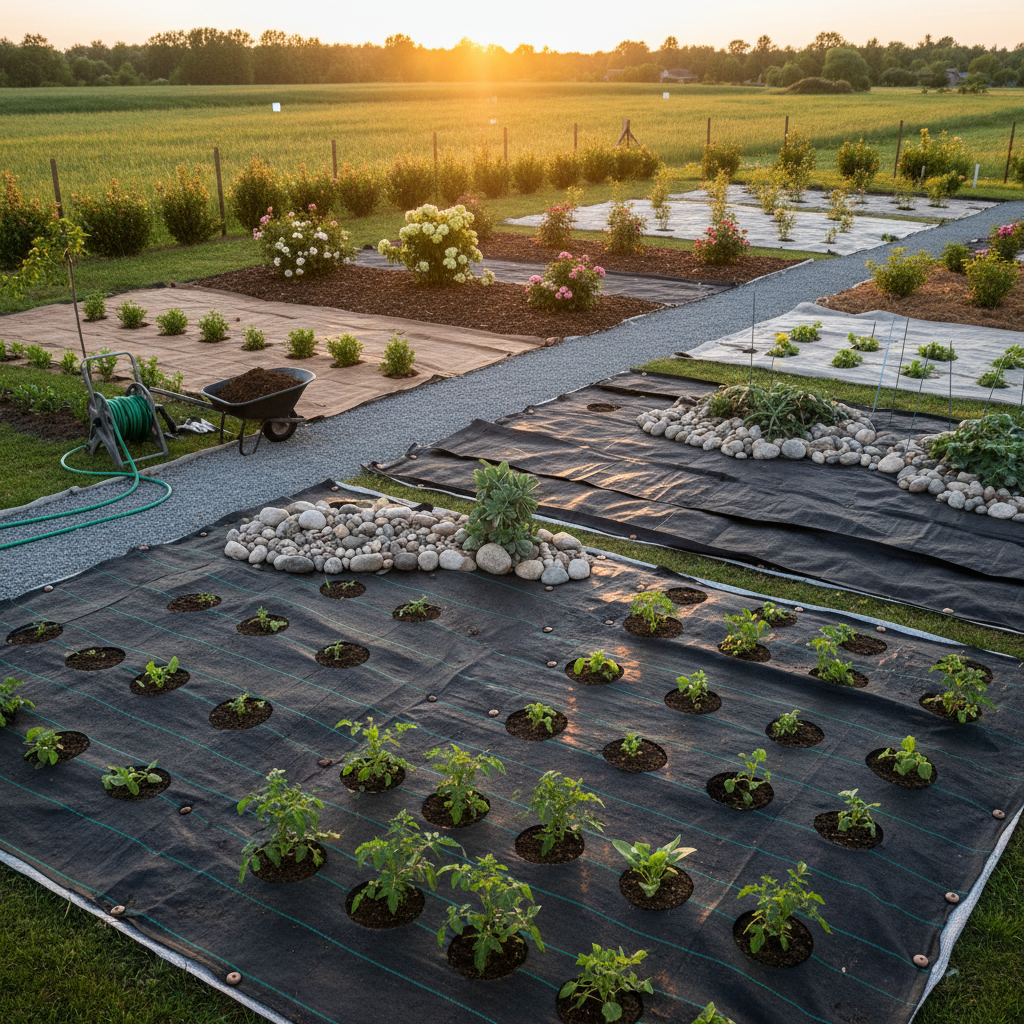
When selecting landscape cloth for your garden, several key considerations can significantly impact the effectiveness of your gardening efforts. First, consider the material of the cloth. Options typically include woven, non-woven, and biodegradable fabrics, each offering different levels of durability and permeability. Woven cloth is known for its strength and longevity, making it suitable for heavy-duty applications, while non-woven variants provide excellent filtration and moisture retention, ideal for seedbeds and delicate plants. Biodegradable options are perfect for environmentally-conscious gardeners who wish to reduce plastic waste.
Another crucial factor is the weight and thickness of the cloth. Heavier fabrics tend to provide better protection against weeds and erosion but may be more challenging to install. Conversely, lighter materials are more manageable and allow for easier adjustments in the garden layout but might require more frequent replacements. Furthermore, assessing the permeability is essential; fabric that allows water and nutrients to pass while blocking sunlight will support healthy plant growth. By carefully considering material, weight, thickness, and permeability, you can select the most suitable landscape cloth to meet your garden's specific needs.
2025 Top 5 Landscape Cloth Options for Your Garden Needs
This chart displays the top 5 landscape cloth options for gardening in 2025 based on factors such as durability, UV resistance, permeability, and cost-effectiveness.
Comparing Different Types of Landscape Fabrics: Pros and Cons
When it comes to selecting the right landscape cloth for your garden, understanding the pros and cons of various types can help you make an informed decision.
One popular option is woven landscape fabric. Its strength and durability make it suitable for long-term projects; however, its porous nature can allow weeds to penetrate if not adequately covered with mulch.
Conversely, non-woven fabrics are great for preventing weed growth while allowing water and nutrients to pass through. The downside is that they can break down more quickly under sunlight exposure.
Another consideration is biodegradable landscape fabrics, which are excellent for eco-conscious gardeners. They break down over time, enriching the soil but may require replacement every few years.
On the other hand, plastic sheeting is highly effective for weed control but can impede water drainage, leading to potential root rot in certain plants.
Tip: Always measure your garden space before purchasing landscape fabric to ensure you get the right amount.
Additionally, consider layering different types of fabric for enhanced effectiveness against weeds while maintaining soil health.
How to Properly Install Landscape Cloth for Optimal Effectiveness
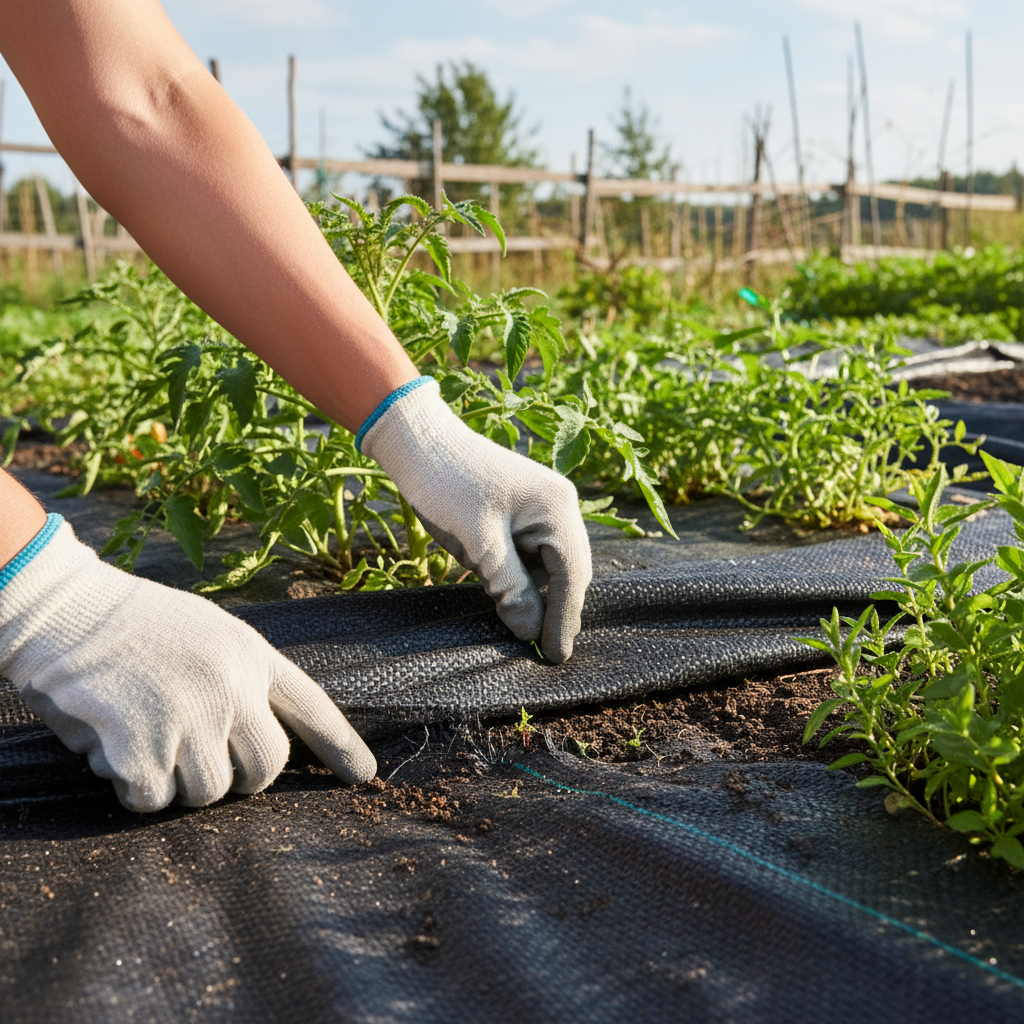
When it comes to optimizing your garden, properly installing landscape cloth is crucial for achieving effective weed control. Landscape fabric serves as a barrier, preventing sunlight from reaching unwanted weeds while allowing water and nutrients to flow through to your plants. To ensure the best results, start by preparing your garden bed. Clear away any existing weeds and debris before laying down the fabric. Cut the fabric to fit the dimensions of your garden, leaving some extra material around the edges to secure it firmly.
**Tips**: Consider overlapping pieces of fabric by at least 12 inches to avoid gaps where weeds can sprout. When securing the landscape cloth, use landscape staples or pins to hold it in place, especially in windy areas. After installation, cover the fabric with organic mulch; not only does it enhance aesthetics, but it also provides additional protection against weed growth.
Another effective method to enhance the performance of your landscape cloth is to regularly check and maintain the area. Inspect the fabric for any tears or plant roots that may penetrate through it. Addressing these issues promptly will contribute to long-lasting weed suppression. With the right installation and maintenance practices, your landscape cloth can significantly reduce weed problems, leading to a healthier and more vibrant garden.
2025 Top 5 Landscape Cloth Options for Your Garden Needs
| Option |
Material |
Weed Control Effectiveness |
Durability (Years) |
Breathability |
| Woven Polypropylene |
Polypropylene |
High |
5-10 |
Yes |
| Non-Woven Fabric |
Polyester or Polypropylene |
Moderate |
3-5 |
Yes |
| Biodegradable Cloth |
Natural Fibers |
High |
2-3 |
Yes |
| Heavy-Duty Landscape Fabric |
Polypropylene |
Very High |
10+ |
Yes |
| Landscape Fabric with UV Protection |
Polypropylene |
High |
5-8 |
Yes |
Maintaining and Caring for Your Landscape Cloth: Best Practices
Maintaining landscape cloth is essential for preserving its effectiveness in your garden. Regularly checking for tears or degradation ensures that the cloth continues to suppress weeds and retain moisture. According to a report by the National Gardening Association, approximately 30% of gardeners find that proper maintenance of landscape fabrics directly affects the yield of their plants. By periodically inspecting your landscape cloth, you can identify any issues early on and avoid more significant problems later.
Furthermore, proper installation and care go hand-in-hand. For instance, ensuring the cloth is laid down flat without wrinkles or folds can enhance its performance by allowing water and nutrients to seep through efficiently. The American Society of Landscape Architects found that correctly maintained landscape fabrics can improve soil health by creating a balanced ecosystem for beneficial microbes. Regular cleaning to remove debris also prevents weed growth and allows your plants to thrive, reinforcing the importance of integrating best practices into your gardening routine.
Eco-Friendly Landscape Cloth Options for Sustainable Gardening
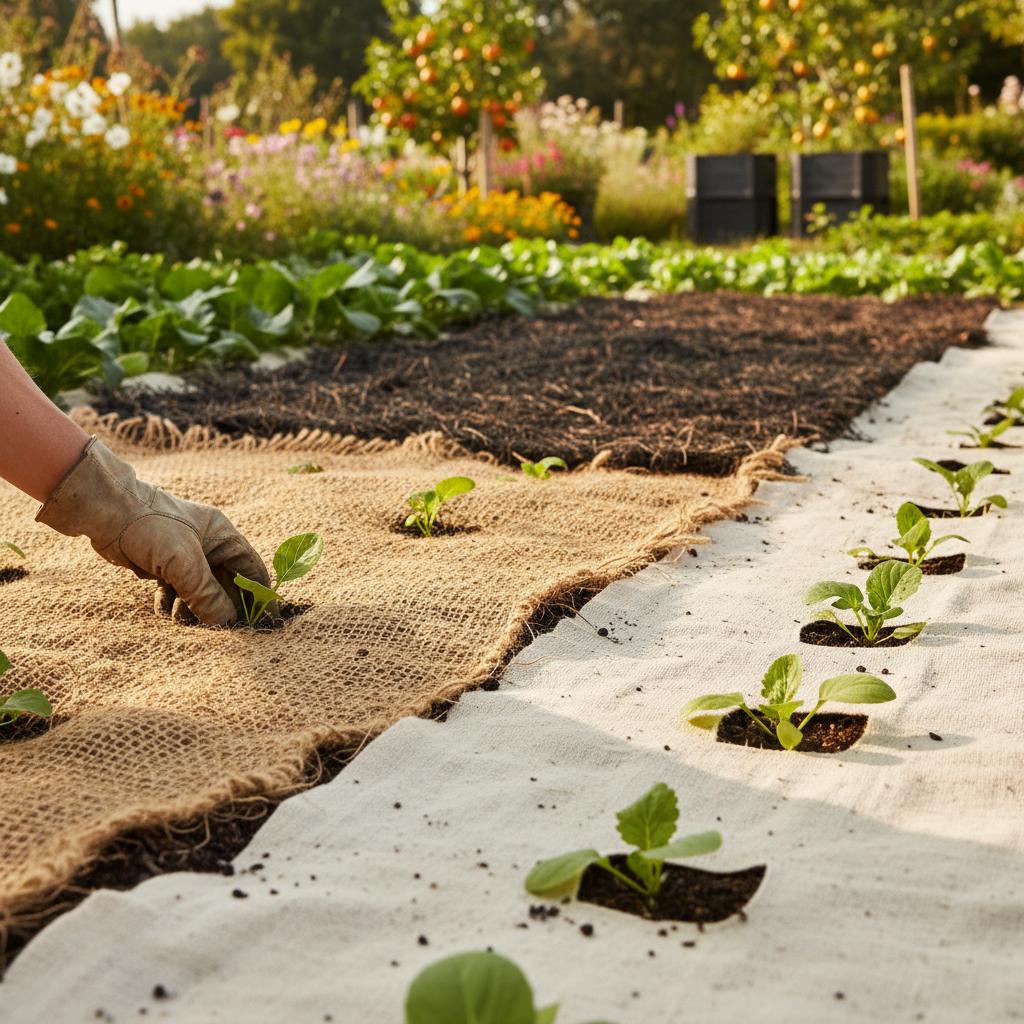
When it comes to sustainable gardening, selecting eco-friendly landscape cloth is crucial for maintaining a healthy garden environment. Traditional landscape fabrics often contain synthetic materials that can leach harmful chemicals into the soil, affecting the ecosystem.
Fortunately, there are several innovative alternatives made from natural or recycled materials. Options like jute or cotton cloth provide excellent weed control while being biodegradable, allowing them to eventually enrich the soil as they decompose.
Another sustainable choice is landscape fabric made from recycled plastics, which not only reduces waste but also offers durability against UV rays and moisture. These fabrics allow water and air to penetrate, promoting healthy plant growth while minimizing the need for chemical herbicides. Using these eco-friendly landscape cloth options is a step towards reducing your carbon footprint, creating a garden that is not only beautiful but also conscious of its environmental impact.
Embracing these materials ensures that your gardening practices align with sustainable principles, fostering a thriving ecosystem for future generations.