Skip to content

China Top Silt Fence Installation Suppliers?

China’s silt fence installation sector supports construction sites, road projects, and land-development programs worldwide. Buyers now need more than a low factory price. They need verified fabric strength, consistent stitching, dependable logistics, and practical field support. The U.S. Environmental Protection Agency’s 2022 Construction General Permit identifies perimeter controls as essential measures for reducing sediment discharge from active sites. This requirement gives silt fencing a clear role before soil disturbance begins.

Industry reports also show why supplier evaluation deserves closer attention. Grand View Research’s 2024 erosion control market analysis describes increasing demand for erosion and sediment-management products across infrastructure and construction applications. Meanwhile, the Federal Highway Administration’s guidance on temporary sediment control emphasizes correct placement, trenching, anchoring, and maintenance. These details often determine whether a fence remains upright after heavy rain. They are not minor specifications.

China has many experienced manufacturers, but “top supplier” should not mean “largest catalog.” A reliable partner should provide test records, fabric specifications, sample approvals, production photographs, and export references. Ask about UV resistance, wire spacing, post quality, packaging, and replacement procedures. A strong supplier can also explain how its products suit clay, sand, slopes, and high-flow areas. That practical knowledge matters during silt fence installation.

Some supplier claims remain difficult to verify. That deserves honest review. Factory audits, independent testing, and small trial orders can reduce uncertainty. This guide examines leading Chinese suppliers through product quality, manufacturing capability, certifications, responsiveness, customization, and total delivered cost. The goal is not simply to identify a cheap source, but to find a dependable partner for compliant, durable, and site-ready sediment control.
China Top Silt Fence Installation Suppliers?

What Is a Silt Fence and Why Is It Used?

What Is a Silt Fence and Why Is It Used?

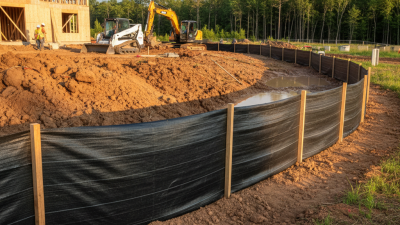
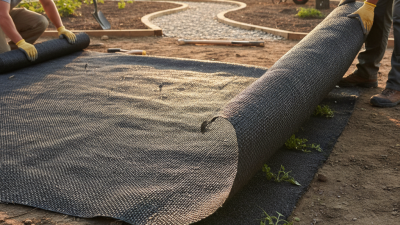
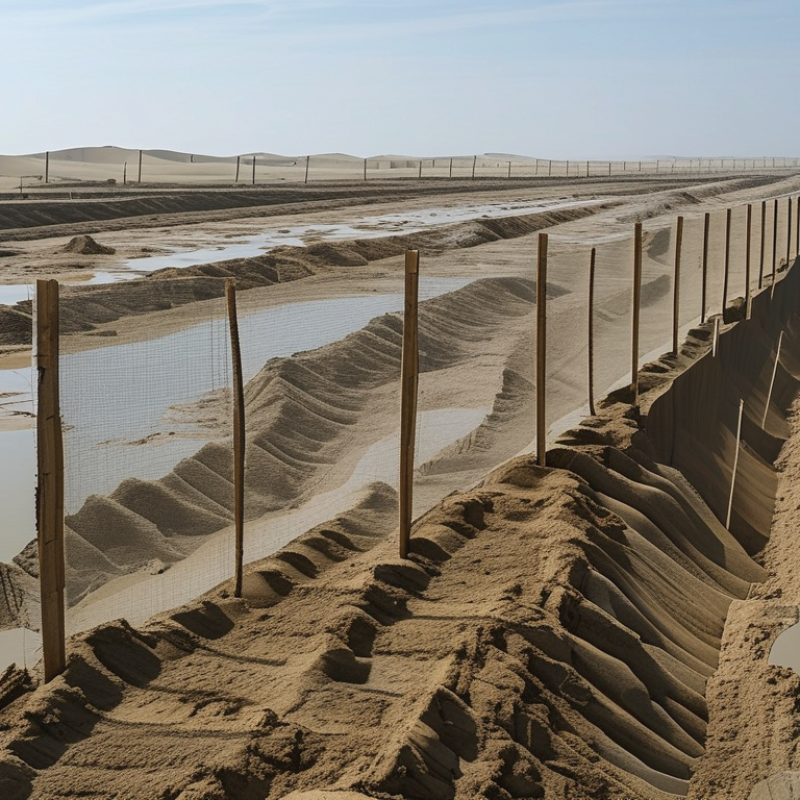
A silt fence is a temporary sediment-control barrier made from porous geotextile fabric. It is installed across gentle slopes or around disturbed soil. The fabric allows water to pass slowly while trapping soil particles. This reduces muddy runoff near roads, drains, streams, and neighboring properties. Proper installation usually includes sturdy stakes and a shallow trench. The buried fabric edge prevents water from flowing underneath.

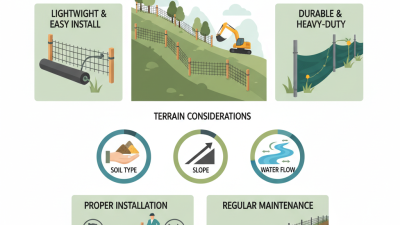
A silt fence is not designed to stop concentrated water flow. That is a common installation mistake. Strong runoff can push beneath the fabric or pull stakes from wet ground. Experienced installation suppliers should assess slope, soil type, drainage paths, and expected rainfall. They should also provide suitable fabric strength and clear installation guidance. Regular inspections matter, especially after heavy rain. Small tears can become large failures quickly.

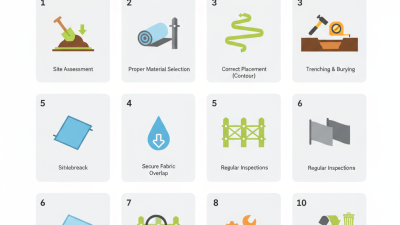
Tips: Keep the fence aligned along the slope contour, not straight downhill. Bury the lower edge firmly. Remove accumulated sediment when it reaches about one-third of the fence height. Do not use a silt fence as the only control measure on steep or highly active sites. It may work well, but conditions can change faster than expected.

Key Standards for Evaluating Chinese Silt Fence Suppliers

When evaluating Chinese silt fence suppliers, begin with measurable product standards. Ask for fabric weight, tensile strength, water permeability, UV resistance, and seam performance. These details affect how the fence performs beside roads, slopes, and drainage channels. Request recent laboratory reports, not copied screenshots. Test samples independently when the project carries high environmental risk. A certificate helps, but it does not prove consistent production.

Factory experience matters as much as paperwork. Check whether the supplier controls raw materials, weaving, stitching, cutting, and packing in one traceable system. ISO 9001 certification can support quality management, but an active inspection process matters more. Review inspection records from several production batches. Ask for clear tolerances on fabric dimensions and post spacing. A reliable supplier should explain applicable ASTM, EN, or project-specific requirements without making vague promises.

Use a small field trial before approving a large order. Install the sample in compacted soil, loose soil, and a sloped area. Observe sagging, sediment buildup, water flow, and anchor stability after rainfall. Photographs should show actual production and loading conditions. Communication is another practical standard. Slow replies may signal future problems. Still, even a responsive supplier can miss defects. Laboratory data may not reflect rocky ground or careless installation. That limitation deserves honest discussion.

Leading Supplier Types and Manufacturing Capabilities in China

China’s silt fence market includes several supplier types, and each serves a different purchasing need. Integrated manufacturers produce geotextile fabric, wire backing, and finished fence panels in one facility. Specialized geosynthetic factories often provide better material control and testing depth. Trading companies may offer flexible sourcing, but their factory visibility can be limited.

A factory visit changes the picture. I look for clean extrusion lines, covered storage, calibrated sewing machines, and clear batch labels. Common capabilities include woven polypropylene fabric, nonwoven geotextiles, reinforced wire support, heat-sealed seams, and stitched hems.

Many suppliers can adjust roll length, fabric weight, wire spacing, grommet position, and packaging. Small details matter.

Performance testing should match the project environment. Suppliers may check tensile strength, puncture resistance, water flow, and seam quality. Ask for recent test records, not only catalog figures.

Sample approval should include a full roll and several finished posts. Not every listed capability is real production capacity. Some factories outsource wire forming or final assembly, which can affect consistency.

Reliable suppliers use incoming-material checks, in-process inspections, and final sampling before shipment. Traceable batch numbers make complaints easier to investigate.

I have seen attractive samples fail because stitching loosened after handling. That risk deserves attention.

Clear specifications, independent inspection, and written tolerance limits usually prevent expensive misunderstandings. Supplier selection should consider production equipment, quality discipline, communication speed, and practical export experience.

How to Compare Products, Prices, and Installation Support

China Top Silt Fence Installation Suppliers: How to Compare Products, Prices, and Installation Support

Comparing silt fence suppliers requires more than checking fabric color or roll length. Review fabric weight, tensile strength, water flow, UV resistance, and post spacing. A reliable specification sheet should state these values clearly. Ask whether testing follows recognized construction standards. Samples can reveal weak stitching, loose hems, or brittle plastic posts. Small defects become expensive failures after heavy rain.

Price comparisons should include the full delivered cost. Check the roll price, posts, clamps, packaging, freight, customs charges, and installation labor. A low quotation may exclude reinforced edges or sufficient stakes. Request the same quantity and specification from each supplier. For example, compare 100 meters with identical post spacing and fabric grade. Better suppliers explain production tolerances instead of promising perfect consistency. That matters.

Installation support also separates capable suppliers from ordinary exporters. Look for clear drawings, trench-depth guidance, corner details, and slope installation instructions. Useful support may include video training, fast technical replies, and replacement procedures for damaged goods. Ask how they handle uneven ground and frozen or compacted soil. A field trial on ten meters is wise. It may expose poor anchoring before the entire site is installed. Some suppliers provide confident advice, but their instructions can still miss local drainage conditions. Confirm details with the site engineer and record every change.

China Silt Fence Installation Suppliers: Product, Price, and Support Comparison

The chart compares common silt fence configurations using practical procurement dimensions: approximate material cost per 100-meter roll, fabric weight, typical service life, and installation-support score. Prices are indicative China export-market ranges and vary with order volume, mesh specification, packaging, shipping, and project requirements. The support score is a five-point evaluation based on documentation, technical guidance, customization, and after-sales responsiveness.

Steps for Selecting and Purchasing the Right Supplier

China Top Silt Fence Installation Suppliers?

Selecting a reliable supplier starts with the project site, not the lowest quotation. Check soil type, expected runoff, fence height, fabric weight, and installation length. Ask for tensile strength, water-flow, UV-resistance, and seam-quality data. A professional supplier should provide clear test reports and consistent specifications. I once overlooked grommet spacing, and installation became slower than planned. Small details matter.

Request a physical sample before placing a large order. Inspect the woven fabric, stitching, posts, and bottom flap by hand. Compare the sample with the technical sheet. Confirm production capacity, inspection procedures, packaging, and realistic lead times. Factory photographs are useful, but an independent inspection offers stronger evidence. Ask how defects are recorded and replaced. Vague answers deserve caution.

Tips: Prepare a simple purchasing checklist. Include dimensions, fabric weight, color, post spacing, packing method, delivery terms, and inspection standards. Request a small trial order first. Measure every roll when it arrives. Keep photographs and batch records for future claims. A low price may hide weak fabric or uneven sewing. I still prefer a supplier who admits limitations and explains corrections. That honesty is not perfection, but it is valuable.

China Top Silt Fence Installation Suppliers? - Steps for Selecting and Purchasing the Right Supplier

Step Supplier Evaluation Dimension What to Verify Practical Purchasing Benchmark Recommended Evidence Priority
1 Product specification Confirm the fabric type, nonwoven or woven construction, color, roll size, and compatibility with the project drawings. Request a written specification sheet before comparing quotations. Common roll lengths are approximately 50–100 m, but the required size should follow the project design. Technical data sheet, product drawings, and a signed quotation with clearly stated specifications. High
2 Fabric performance Evaluate apparent opening size, grab tensile strength, puncture resistance, water-flow performance, and resistance to ultraviolet exposure. Use the project specification or applicable local standard as the acceptance baseline. Do not compare suppliers using fabric weight alone. Independent laboratory report, batch test report, and product sample for visual and dimensional inspection. High
3 Installation design Check whether the supplier provides guidance for trenching, staking, overlap, end treatment, and installation on slopes. A practical installation plan should specify trench depth, post spacing, minimum overlap, and the method for preventing undercutting. Installation manual, typical detail drawings, method statement, and site-specific recommendations. High
4 Environmental suitability Assess performance under expected rainfall, soil conditions, wind exposure, temperature range, and anticipated project duration. For long-duration outdoor use, request documented UV-stabilization information and confirm storage requirements before installation. UV-resistance statement, environmental-use declaration, and references for comparable climates or applications. High
5 Quality-control system Review incoming-material inspection, production controls, roll identification, final inspection, and handling of nonconforming goods. Every shipment should be traceable to a production batch and supported by consistent labeling and inspection records. Quality manual, inspection checklist, batch records, and pre-shipment inspection procedure. High
6 Sample approval Compare physical samples for color uniformity, edge quality, stitching or fastening details, roll winding, and packaging condition. Approve a retained reference sample before mass production and require written approval for any material or construction change. Signed sample approval form, retained sample, photographs, and pre-production checklist. High
7 Order quantity and cost Compare the total delivered cost, including product price, packaging, inland transport, ocean or air freight, insurance, duties, and inspection. Calculate cost per square metre and add a project-controlled allowance for cuts, overlaps, damage, and installation waste. Itemized commercial quotation, packing list, freight estimate, and landed-cost worksheet. Medium
8 Production capacity Confirm monthly output, current production schedule, raw-material availability, and the supplier’s ability to meet the required delivery window. Ask for a production schedule with milestone dates and avoid relying on an unconfirmed “ready stock” statement. Capacity declaration, production plan, order-confirmation document, and factory inspection record. High
9 Export and packaging readiness Verify roll protection, moisture control, pallet or container loading method, shipping marks, and export-document capability. Packaging should prevent moisture, crushing, contamination, and roll deformation during international transportation. Packaging photographs, loading plan, carton or roll labels, commercial invoice, and packing list template. Medium
10 Contract and warranty terms Define product tolerances, inspection rights, rejection procedures, replacement obligations, delivery terms, and dispute resolution. Link final payment to document approval and inspection results, and state the procedure for handling short shipments or nonconforming rolls. Sales contract, technical annex, warranty statement, inspection clause, and approved purchase order. High
11 Supplier communication Measure response speed, technical understanding, quotation clarity, and willingness to answer project-specific questions. Prefer suppliers that provide complete answers with measurable data rather than general claims such as “premium quality.” Question-and-answer log, quotation comparison sheet, meeting records, and response-time record. Medium
12 Final selection method Score technical compliance, quality assurance, delivery reliability, total cost, documentation, and after-sales support. Use a weighted evaluation: technical compliance 30%, quality control 20%, delivered cost 20%, delivery 15%, documentation 10%, and service 5%. Completed supplier scorecard, approved sample, risk register, and management sign-off. High