Top 10 Biological Water Treatment Manufacturers in China
Biological Water Treatment is central to municipal sewage, industrial effluent, and water reuse projects. It uses microorganisms to break down organic pollutants, often within activated-sludge, biofilm, or membrane-based systems. Performance depends on more than the process itself. Influent quality, temperature, operator skill, and maintenance can all affect results.
The scale of the need is clear. UN-Habitat and WHO reported that only 56% of household wastewater flows were safely treated globally in 2020 in Progress on Wastewater Treatment: Global Status and Acceleration Needs for SDG Indicator 6.3.1. China’s 14th Five-Year Plan for Urban Wastewater Treatment and Resource Utilization also emphasizes treatment capacity, pollution control, and reclaimed-water use. These sources describe broad priorities, not a direct measure of any manufacturer’s performance.
Choosing a supplier takes closer scrutiny. A process diagram may look convincing, yet operating records, project references, equipment compatibility, and after-sales support matter just as much. Small details count. This overview of the Top 10 Biological Water Treatment Manufacturers in China introduces companies active in this field and offers a practical starting point for comparison. It is not a certification or a substitute for project-specific due diligence. Reported capabilities can vary by site, and public information is not always complete; that gap deserves attention. Readers should verify technical claims, treatment targets, and operating data before making procurement decisions.
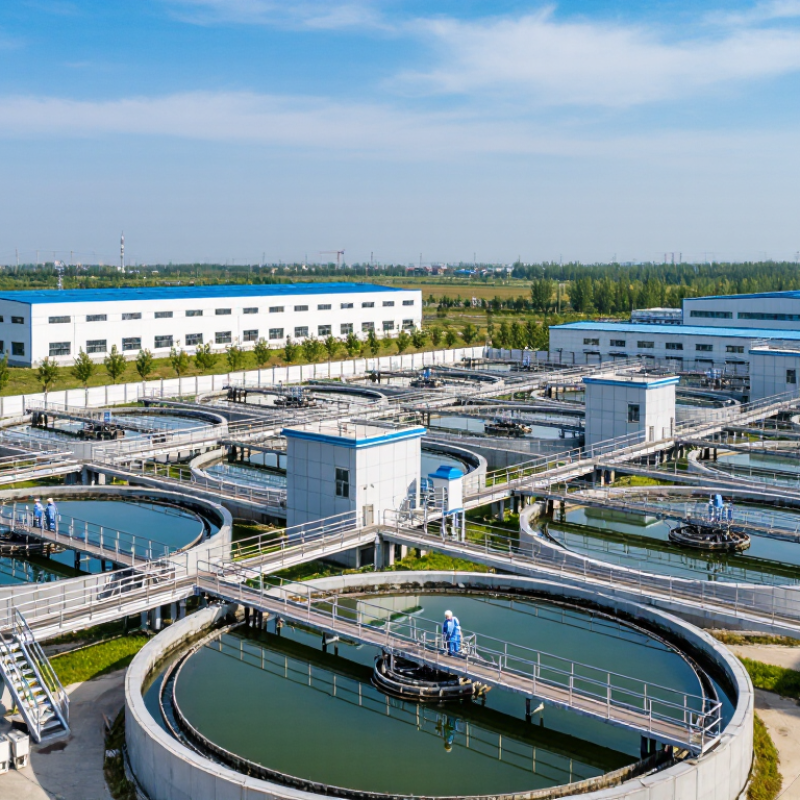
Biological Water Treatment in China: Industry Overview
Biological Water Treatment in China: Industry Overview
China’s biological water-treatment sector is driven by municipal wastewater upgrades, industrial effluent controls, and growing demand for reclaimed water. The Ministry of Housing and Urban-Rural Development reported a 98.1% urban wastewater-treatment rate in its 2022 urban construction statistics. That figure reflects treatment coverage, not necessarily consistent plant performance or pollutant removal. Scale matters. Across the country, facilities must handle changing flows, cold-weather conditions, and influent that can vary sharply between morning and evening.
Policy is also steering investment toward resource recovery. China’s 14th Five-Year Plan for Urban Wastewater Treatment and Resource Utilization sets a target of at least 25% reclaimed-water use in water-scarce cities by 2025. This supports demand for biological processes paired with reliable disinfection and polishing steps. Operators still face a practical tension: higher treatment standards can raise energy use, while biological systems need stable operating conditions. A less comfortable point is that headline coverage rates can hide differences in maintenance, monitoring, and local water quality.
Tips: When evaluating a treatment system, ask for site-specific influent data, seasonal performance records, and energy use per cubic meter. Check how the process responds to load swings, not just its design capacity. In the field, small details matter: aeration settings, sludge condition, and sensor calibration can change results.
Core Processes Used in Biological Water Treatment
Biological water treatment uses microorganisms to break down dissolved pollutants, especially biodegradable organic matter. Screening and settling often remove larger solids before water reaches the biological stage. This protects pumps and reduces the load on treatment tanks. In an activated-sludge system, wastewater mixes with a community of microbes while air enters through fine-bubble diffusers. The organisms consume organic material and form settleable flocs. Small details matter.
Different process designs suit different wastewater flows. Moving-bed biofilm reactors support microbes on plastic carriers, while sequencing batch reactors treat water in timed cycles. Membrane bioreactors combine biological treatment with membrane separation, producing a clearer effluent but requiring careful membrane cleaning. Operators track dissolved oxygen, pH, sludge concentration, and settling behavior. A sudden change in color, odor, or oxygen demand can signal a process upset. These readings need context; one number rarely explains the whole system.
Nitrogen removal may use nitrification and denitrification. In aerated zones, bacteria convert ammonia into nitrate; in low-oxygen zones, other microbes convert nitrate into nitrogen gas. Temperature and incoming wastewater composition affect how reliably these reactions proceed. Design should reflect actual flow patterns, not only a laboratory sample. Even well-managed systems can struggle during cold weather or sudden industrial discharges. Biological treatment is powerful, but it is not a set-and-forget solution.
How to Evaluate Chinese Manufacturers
Choosing a biological water treatment manufacturer requires evidence beyond a polished catalogue. UN-Water’s 2024 wastewater progress report estimates that 42% of household wastewater worldwide was not safely treated in 2022. That scale makes dependable operation essential. Request operating records from comparable projects, including influent variation, effluent BOD5, COD and ammonia, energy use, and sludge production. Ask how results were independently tested. A single successful sample proves little.
Inspect the proposed process and the people who will support it. Check whether pilot data matches your water temperature, flow swings, and available footprint. Review equipment materials, commissioning procedures, operator training, and spare-parts lead times. Speak with an existing customer and ask about performance during the first year, not only at handover. A site visit can reveal practical details, such as clogged screens or hard-to-clean diffusers. Some gaps may remain; record assumptions before comparing bids.
Tips: Request raw test reports, not just summary charts. Define acceptance limits before signing. Check references. Then verify the same performance under your actual operating conditions.
Profiles of 10 Biological Water Treatment Manufacturers
China’s biological water-treatment manufacturers cover distinct parts of the treatment process. These ten profiles highlight common capabilities, not a verified ranking. Buyers should check project references, material specifications, and operating data before comparing suppliers.
One manufacturer may provide complete treatment lines, from screening to biological reactors.
Another focuses on moving-bed biofilm carriers, where surface texture and shape affect biomass retention.
A third produces fine-bubble aeration equipment; inspect bubble distribution and energy use.
A fourth supplies membrane bioreactor systems, where cleaning access matters.
Small details count.
A fifth builds modular units for sites with limited space.
A sixth designs systems for industrial wastewater, where changing loads can challenge biology.
A seventh serves municipal plants and emphasizes stable operation.
An eighth makes sludge-handling equipment, linking treatment performance to dewatering needs.
A ninth integrates sensors and controls, but automation still needs sensible alarms.
A tenth offers engineering and commissioning support, helping operators adjust air supply and sludge age.
These capabilities are not interchangeable. Some product sheets leave practical questions unanswered, so request test conditions and maintenance records. A site visit can reveal what brochures cannot.
Comparing Technologies, Applications, and Service Capabilities
Choosing a biological water treatment manufacturer in China means comparing process fit, not just quoted capacity. Activated sludge can suit steady wastewater flows, while moving-bed biofilm reactors may handle variable loads with a smaller footprint. Membrane bioreactors produce clear effluent, but cleaning and membrane replacement add operating demands. Small details matter. Ask how temperature, salinity, and sudden toxic loads could affect biological performance.
Applications differ widely. Food-processing plants may need strong organic-load reduction; municipal facilities often prioritize nutrient removal and dependable monitoring. Ask each supplier for design influent ranges, expected effluent values, commissioning steps, and reference projects treating similar wastewater. Request process-flow drawings, instrument lists, spare-parts guidance, and operator training plans. These are practical checks, not paperwork.
Service capability matters after installation. Compare response times, troubleshooting methods, local technician coverage, and access to process specialists. A neat proposal can still hide gaps in sludge handling or backup equipment. That deserves scrutiny. Consider whether the provider can help adjust aeration when seasonal temperatures change, and whether its operating-cost estimate includes energy and routine maintenance. No single technology wins everywhere; wastewater data and site constraints should drive the comparison.