Top 5 Tips for Choosing the Right Cement Sealer?
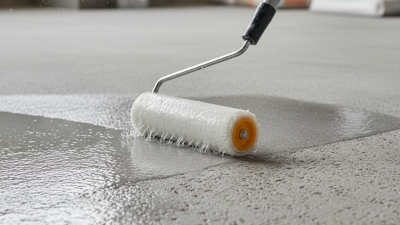
Choosing the right cement sealer is crucial for durability and appearance. According to industry reports, approximately 70% of concrete surfaces experience deterioration due to inadequate sealing. This underscores the need for effective products that can withstand time and environmental factors.
The market offers various cement sealers with differing properties. Understanding their composition helps in making an informed choice. For instance, solvent-based sealers provide deep penetration but may require more caution during application. On the other hand, water-based sealers are easier to apply and often safer for the environment. It's essential to consider factors like the intended use of the surface and the environmental conditions it will face.
However, not all sealers are created equal. Some may promise high performance but fail in real-world conditions. Buyers must evaluate product reviews and seek expert recommendations to avoid costly mistakes. Investing time in this decision could extend the life of your concrete surfaces significantly.
Understanding the Different Types of Cement Sealers Available
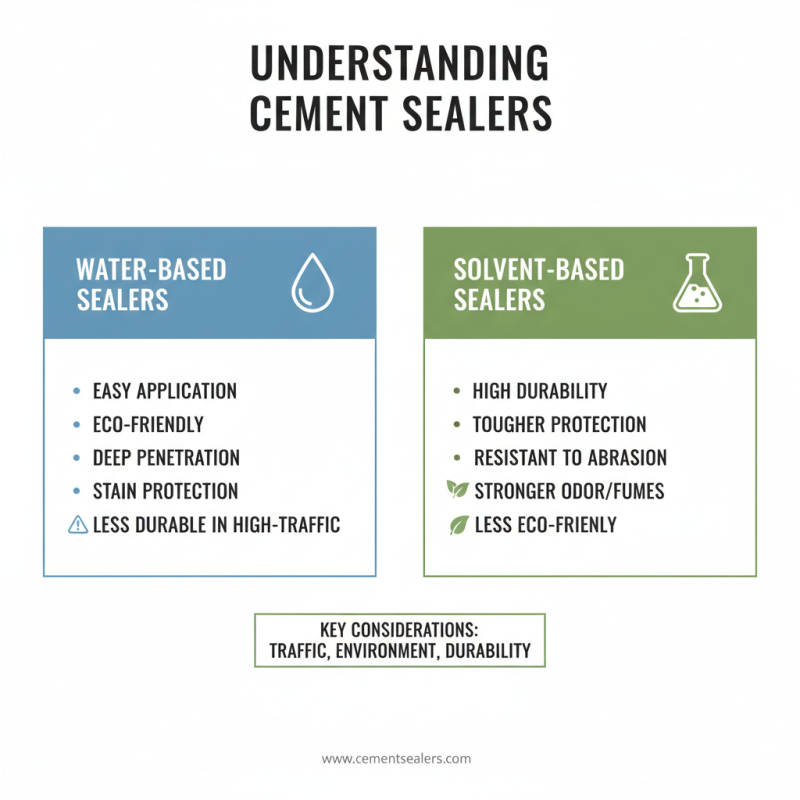
When selecting a cement sealer, it's crucial to understand the variety of options available. Water-based sealers are popular due to their ease of application and environmental friendliness. They penetrate deeply into the surface, providing good protection against stains. However, they may not be as durable in high-traffic areas compared to solvent-based options.
Solvent-based sealers offer robust protection and a glossy finish. They create a strong barrier against moisture and chemicals. Yet, they can have a strong odor during application and require more time to cure. Each type has its advantages and drawbacks, so consider the specific needs of your project.
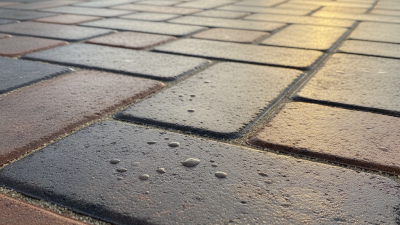
Masonry sealers are another option. These sealers are specially designed for porous surfaces like concrete and brick. They effectively prevent water infiltration but might require reapplication more often. Understanding each type's properties will lead to better decision-making. It's essential to reflect on your priorities, such as durability and ease of maintenance, when choosing the right sealer.
Assessing the Specific Needs of Your Cement Surface
When selecting a cement sealer, assessing the specific needs of your cement surface is crucial. Different surfaces have unique characteristics. For instance, a driveway may experience heavy vehicle traffic, which demands a more durable sealant. On the other hand, a decorative patio might require a product that enhances appearance while providing adequate protection. Understanding these requirements helps in selecting the right product.
Consider the local climate as well. Some sealers perform better in humid areas, while others thrive in dry conditions. If you live in a region with drastic temperature changes, a flexible sealer can prevent damage from cracking. Take the time to inspect your surfaces closely. You might notice slight wear that indicates the need for a specific type of sealer. Identifying these details is essential for making a wise choice.
Don’t overlook the surface preparation process. A poorly prepared surface can negate the benefits of any sealer you choose. Ensure that the surface is clean and free from old sealants or grime. This step may take more time than anticipated, but it dramatically impacts long-term performance. Reflect on these aspects to guide your decision. Every step matters when sealing your cement surfaces.
Evaluating Formulation and Performance Characteristics
When selecting a cement sealer, understanding formulation and performance characteristics is essential. A 2021 industry report highlights that sealers with a high solid content provide better durability and longevity. These sealers often outperform those with lower solids in resisting moisture intrusion and stains. Evaluating the formulation can directly impact the lifespan of your concrete surfaces.
Consider the type of performance you need. For areas prone to heavy traffic, a more robust sealer with high tensile strength is necessary. Look for products that have been tested for UV resistance to minimize color fading. According to the National Institute of Standards and Technology, sealers with a hydrophobic nature effectively repel water. This feature is critical to prevent cracks and surface damage.
Tip: Prioritize sealers with eco-friendly formulations. Increasingly, reports suggest that low VOC (volatile organic compounds) options have minimal environmental impact without sacrificing quality. It is essential to balance performance expectations with environmental responsibility.
Remember, the application method is equally important. A poorly applied sealer will not fulfill its promised performance, highlighting the need for knowledgeable application. Always consult industry guidelines to ensure optimal results.
Top 5 Tips for Choosing the Right Cement Sealer - Evaluating Formulation and Performance Characteristics
| Tip |
Description |
Key Feature |
| Evaluate Formulation Type |
Understand the differences between solvent-based, water-based, and penetrating sealers. |
Formulation affects performance and application ease. |
| Check VOC Levels |
Ensure the sealer complies with local regulations on volatile organic compounds. |
Low VOC products are safer for indoor applications. |
| Consider Drying Time |
Review the drying and curing times to prevent scheduling issues. |
Faster drying times allow for quicker project completion. |
| Assess Longevity |
Look for product claims regarding longevity and reapplication frequency. |
Durable sealers can save money over time. |
| Review Customer Feedback |
Check reviews and ratings to gather insights from other users. |
Real experiences can highlight pros and cons not covered in specifications. |
Considering Environmental Impact and Safety Guidelines
When selecting a cement sealer, taking environmental impact seriously is essential. Many sealers release volatile organic compounds (VOCs), which can harm air quality. According to the Environmental Protection Agency (EPA), some VOCs can contribute to smog. Choosing low-VOC sealers can reduce pollution and create a safer environment.
Consider the source of the raw materials as well. Eco-friendly sealers often utilize biodegradable ingredients. This not only lessens the ecological footprint but also ensures that the health risks are minimized. A study by the Green Seal organization found that using sustainable materials reduces potential adverse health effects in indoor spaces.
Look for certifications from recognized environmental organizations. These certifications often denote compliance with stringent safety guidelines. They ensure that the product is safe for both users and the environment. However, not all products meet these standards, so invest in thorough research. The goal is to balance performance with safety and environmental considerations, which can be a challenging but necessary reflection when choosing a sealer.
Reviewing Application Procedures and Maintenance Requirements
When selecting the right cement sealer, application procedures are crucial. Proper surface preparation is essential. The concrete must be clean and dry. Any oil or debris can prevent proper adhesion. According to the American Concrete Institute, surface contamination can reduce the sealer's effectiveness by over 30%.
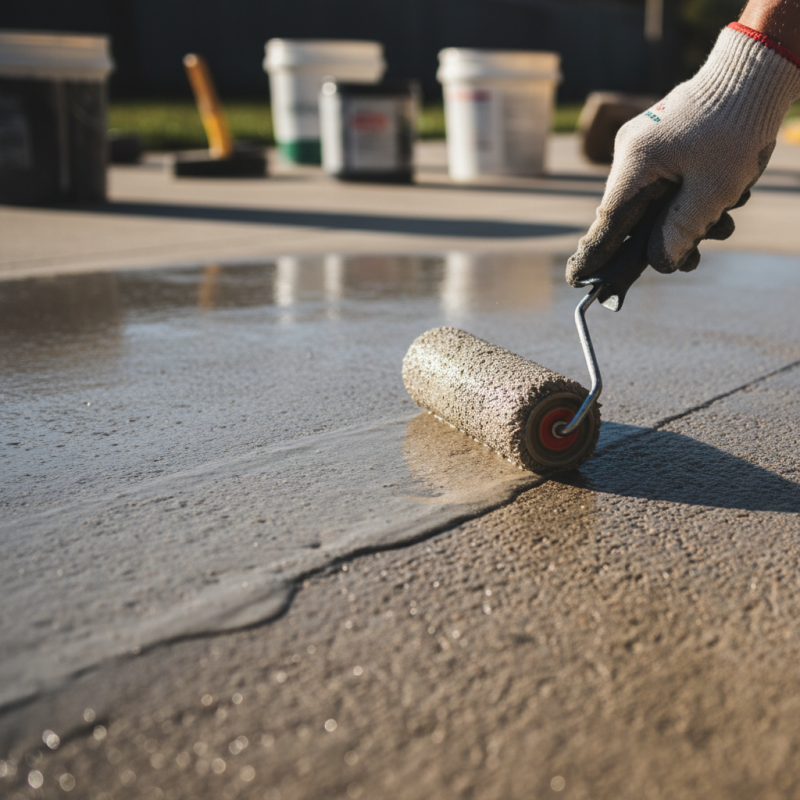
Application techniques vary. A roller, sprayer, or brush can be used, but each method has its pros and cons. Rollers may leave streaks. Sprayers can oversaturate areas, leading to pooling. It's important to follow the manufacturer's instructions for even application. The ideal temperature for application is between 50°F and 90°F. Avoid applying sealer in direct sunlight. This can cause premature drying and lead to unwanted texture.
Maintenance is another critical factor. A common misconception is that sealers don't need upkeep. Most sealers require reapplication every one to three years. Regular inspections can help identify wear and areas needing attention. A report from the International Concrete Repair Institute states that proactive maintenance can extend the lifespan of sealed concrete by up to 50%. Implementing a maintenance schedule ensures both appearance and durability.
Top 5 Tips for Choosing the Right Cement Sealer