Understanding What Silt Fence Installation Is and How It Works Effectively
Understanding the process of silt fence installation is crucial for effective erosion control and site management during construction projects. As sediment runoff poses significant environmental challenges, it becomes imperative to employ preventive measures that can mitigate these risks. Silt fences, made from geotextile fabric, serve as a barrier against soil erosion by trapping sediment and allowing clear water to pass through. This method not only protects water quality but also aids in maintaining the integrity of the surrounding ecosystem.
In this guide, we will delve into the various aspects of silt fence installation, examining its purpose, benefits, and best practices for implementation. We will explore the materials needed and the step-by-step process to ensure that the installation is performed effectively. Understanding how to properly install a silt fence is essential for contractors, environmental specialists, and landowners alike, ensuring compliance with environmental regulations while safeguarding the environment.
Understanding the Purpose of Silt Fences in Erosion Control
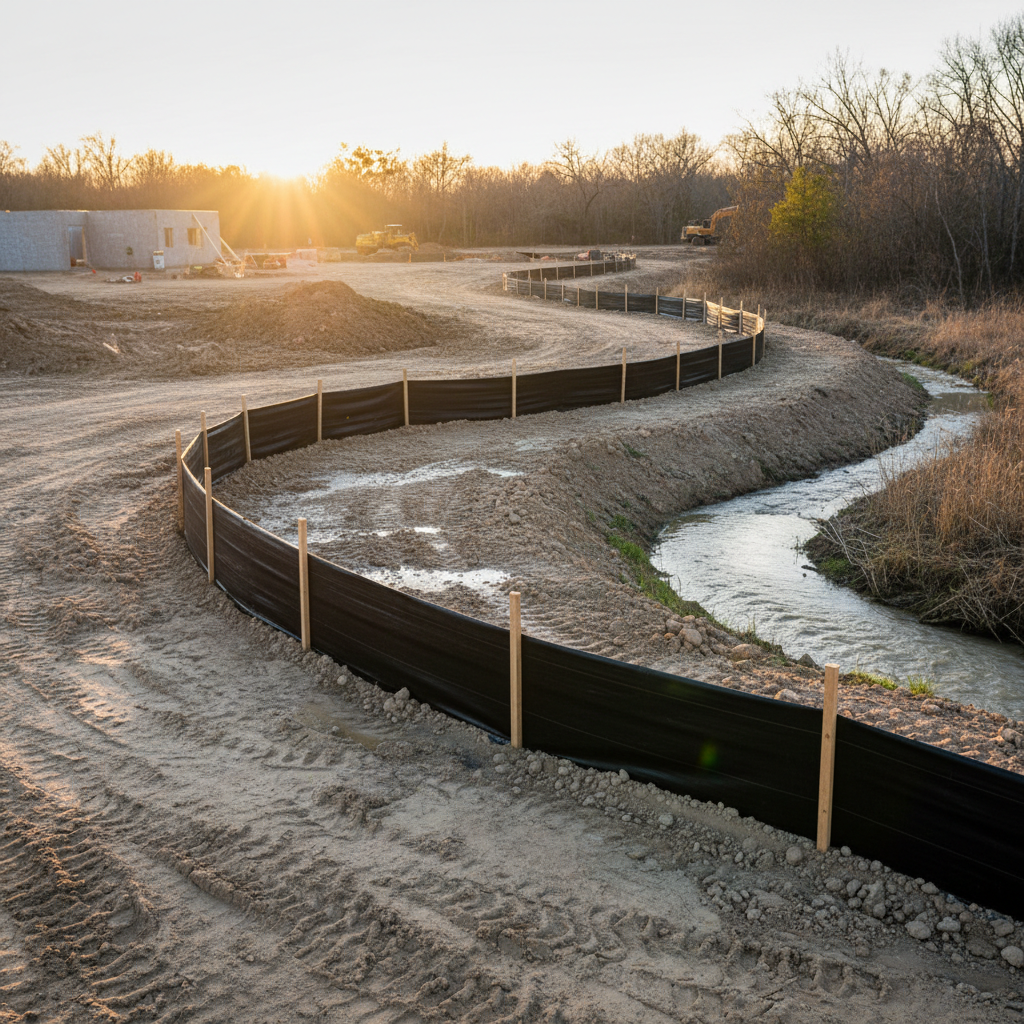
Silt fences are crucial tools in erosion control, primarily designed to manage sediment runoff during construction and land development activities. By creating a barrier, these fences trap suspended soil particles in water runoff, preventing them from entering nearby water bodies. This is particularly important because sediment can degrade water quality, cause flooding, and harm aquatic habitats. The installation of silt fences helps maintain the integrity of the natural environment by minimizing the adverse effects of erosion.
The effectiveness of silt fences lies in their strategic placement and construction. When installed correctly, they allow water to flow through while capturing sediment—a process that significantly reduces the amount of eroded soil that could otherwise pollute nearby streams and rivers. It’s vital to position these fences on the contours of the land and in areas where runoff is likely to occur. As such, silt fences not only serve as a protective measure but also contribute to a sustainable approach to construction and land management, aiding in the preservation of local ecosystems.
Effectiveness of Silt Fences in Erosion Control
Key Components and Materials Used in Effective Silt Fence Installation
Silt fences are essential for controlling sediment during construction projects, acting as a barrier to prevent soil erosion and promote environmental sustainability. The effectiveness of a silt fence largely hinges on the key components and materials used in its installation. Typically, silt fences are made from geotextiles, which are permeable fabrics designed to filter sediments while allowing water to pass through. According to the Environmental Protection Agency (EPA), a properly installed silt fence can reduce sediment by up to 80%, making it a vital tool in stormwater management.
When planning a silt fence installation, it is crucial to select high-quality materials. The fabric should have a specific opening size and a weight that meets state regulations, often around 3.5 ounces per square yard for adequate filtration. Additionally, the posts supporting the fence are typically wooden or metal stakes that must be durable enough to withstand environmental conditions. The depth of the trench where the fence is installed is also a critical factor and typically should be around 6 to 12 inches.
Tips: Always ensure that the silt fence is trenched in and properly braced to withstand water flow. Regular inspections are essential, as maintaining fence integrity can significantly enhance its efficiency against sediment control. Remember to replace any damaged sections promptly to maximize effectiveness throughout the construction timeline.
Best Practices for Silt Fence Fabrication and Installation Techniques
Silt fences are essential tools in erosion control, particularly at construction sites or areas prone to soil disturbance. Proper fabrication and installation of silt fences enhance their effectiveness in preventing sediment runoff. When selecting silt fence fabric, look for durable materials like polypropylene or nylon that can withstand varying weather conditions. The height of the fence should also be adequate for the anticipated runoff, typically ranging from 24 to 36 inches.
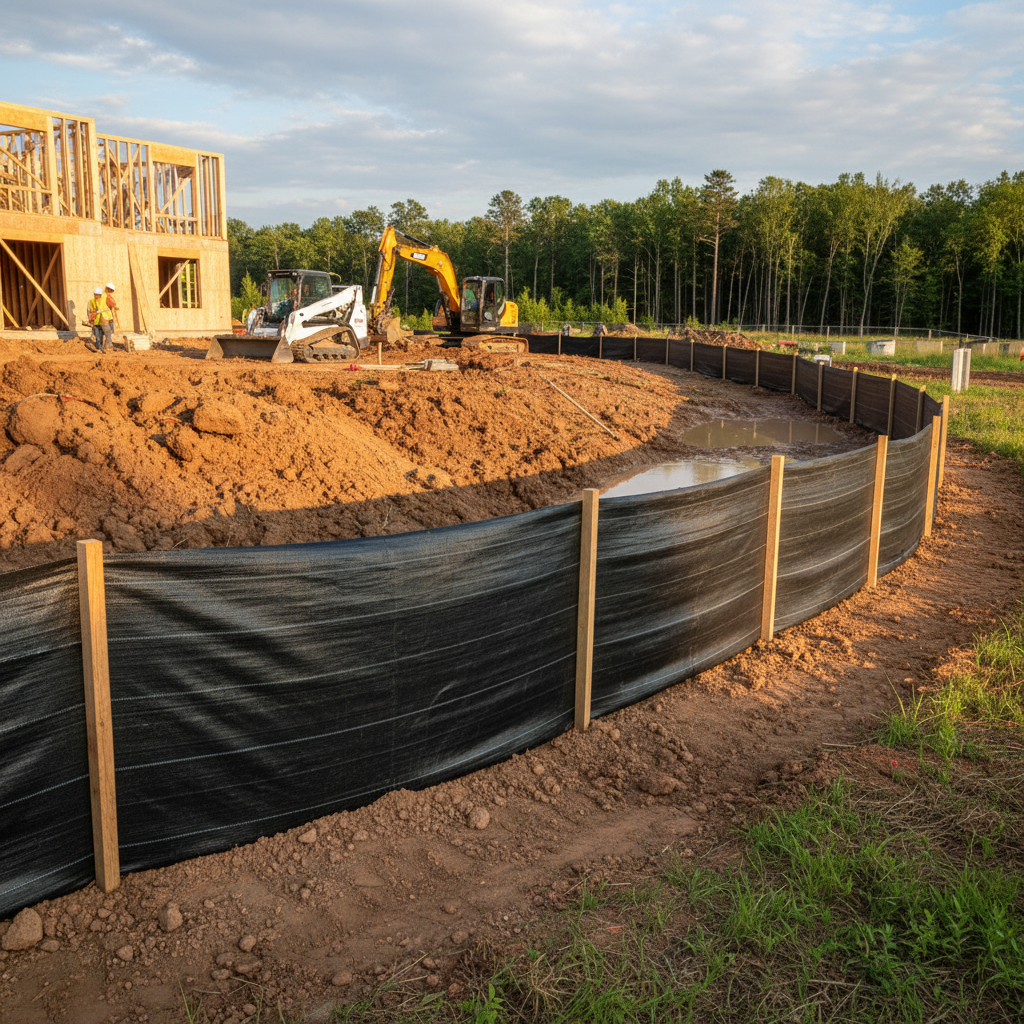
One critical tip for installation is ensuring that the fence is buried at least 6 inches into the ground. This burial enhances stability and prevents water from flowing underneath the fence, which could lead to sediment bypass. Additionally, ensuring a proper slope away from the fence will help direct water flow and maximize its sediment trapping capabilities. Keep in mind that regular maintenance is crucial; check the fence after heavy rainfalls and remove any accumulated sediment to maintain optimal performance.
Moreover, during the installation process, make sure to stake the fabric properly. Use wooden or metal stakes placed approximately 6 to 8 feet apart, securing the fabric tightly to prevent sagging. This will not only boost the fence's structural integrity but also improve its ability to filter and trap sediments effectively. Following these best practices can significantly extend the life and efficiency of your silt fence installation.
Understanding What Silt Fence Installation Is and How It Works Effectively
| Dimension |
Description |
| Material Type |
Geotextile fabric, typically made of polypropylene or polyester. |
| Installation Depth |
Should be at least 6 inches into the ground to ensure stability. |
| Height |
Commonly ranges from 18 to 30 inches above ground level. |
| Support Posts |
Wooden or metal posts placed every 6 to 10 feet to secure the silt fence. |
| Best Practices |
Regular inspections, maintenance, and proper installation technique. |
| Purpose |
To control sediment and erosion on construction sites and protect waterways. |
| Duration of Use |
Typically used for the duration of disturbed soil until vegetation is established. |
Regulatory Standards and Guidelines Governing Silt Fence Use
Silt fences are essential tools in erosion and sediment control, particularly during construction and land-disturbing activities. Understanding the regulatory standards and guidelines governing their use is crucial for compliance and environmental protection. Various federal, state, and local agencies establish these regulations to ensure that silt fences are installed effectively to minimize sediment runoff into water bodies and maintain water quality.
Regulatory standards typically outline the appropriate materials, installation methods, and maintenance procedures for silt fences. For example, guidelines often specify that silt fences should be made of geotextile fabric, which allows water to flow through while trapping sediment. Additionally, the height, length, and placement of silt fences are often detailed in these regulations to optimize their performance based on site-specific conditions. Furthermore, maintenance protocols are crucial; the guidelines generally require regular inspections to ensure the integrity of the fence and prompt remediation when failures occur. By adhering to these regulations, practitioners can significantly reduce the environmental impact of their projects.
Impact of Silt Fences on Water Quality and Soil Conservation Efforts
Silt fences are essential tools in managing soil erosion and protecting water quality during construction and land disturbance activities. By creating a barrier, silt fences allow sediment to settle while the water continues to flow, effectively trapping soil particles that could otherwise contaminate nearby water bodies. This practice not only preserves water quality but also contributes significantly to soil conservation efforts, helping maintain the natural balance and integrity of the ecosystem.
When installing a silt fence, consider these tips for optimal effectiveness: First, ensure the fence is properly anchored and set at an appropriate height to handle potential water flow. Second, regularly inspect and maintain the fence to prevent any breaches or blockages, which can compromise its function. Lastly, complement silt fences with other erosion control measures, such as planting vegetation or using erosion control blankets, to enhance overall effectiveness in sediment management.
The impact of silt fences on water quality cannot be overstated. They play a crucial role in reducing turbidity levels in runoff and protecting aquatic habitats from harmful sedimentation. By minimizing the amount of sediment that enters water bodies, silt fences help maintain biodiversity and contribute to healthier ecosystems, ultimately supporting sustainable soil conservation efforts.