What is Geotextile Fabric and Its Uses in Construction and Environmental Projects
Geotextile fabric has emerged as a vital component in both construction and environmental projects, engineering innovative solutions that address complex challenges. This permeable textile material, made from synthetic fibers, offers a range of functions that enhance soil stability, manage water flow, and promote sustainable land development. The increasing demand for environmentally friendly construction practices has led to the widespread adoption of geotextile fabric, which not only supports infrastructure but also protects ecosystems and groundwater resources.
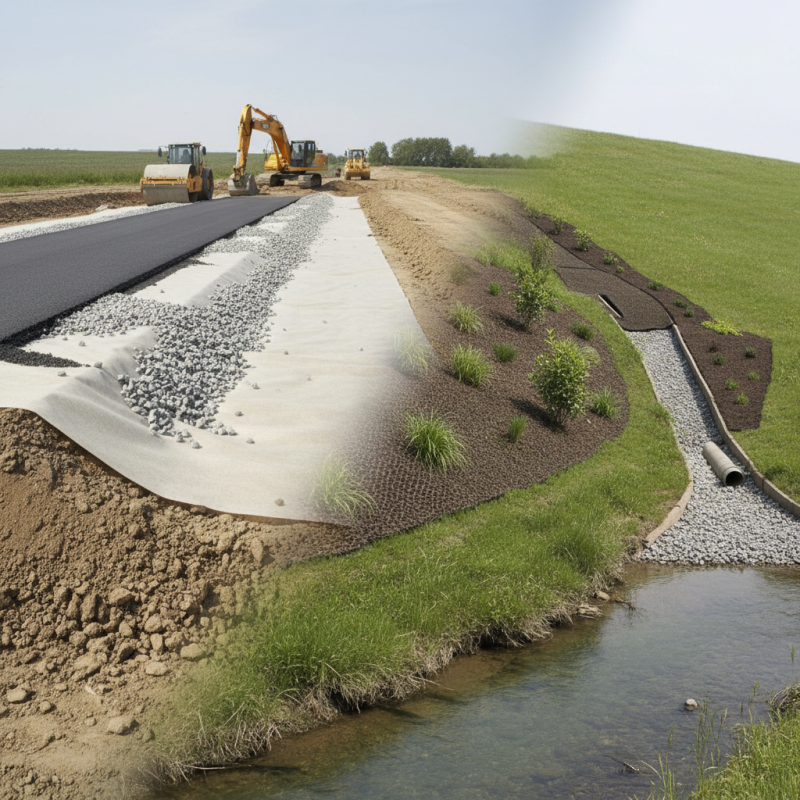
The uses of geotextile fabric are diverse, spanning various sectors such as road construction, erosion control, and waste management. By acting as a barrier to soil movement while allowing water to pass through, geotextile fabric plays a crucial role in preventing erosion and stabilizing slopes. Furthermore, its application in drainage systems aids in managing surface and groundwater, mitigating flooding risks, and improving land usability. As the construction industry continues to evolve, the integration of geotextile fabric signifies a commitment to resilience and sustainability, paving the way for projects that coexist with natural habitats while meeting the demands of modern infrastructure.
Definition and Types of Geotextile Fabric
Geotextile fabric is a versatile material used extensively in construction and environmental projects for its unique properties. It can be broadly categorized into two main types: woven and non-woven geotextiles. Woven geotextiles are constructed from woven fabric, offering high strength and durability. These are particularly effective in applications where tensile strength is crucial, such as in soil stabilization and erosion control. They allow for water drainage while providing structural support, making them ideal for reinforced soil structures.
On the other hand, non-woven geotextiles are produced by bonding fibers through mechanical, thermal, or chemical processes, resulting in a fabric that is porous and allows for excellent filtration. This type of geotextile is commonly used in applications such as landfill liners and sediment control, where preventing the passage of fine particles is essential. Both woven and non-woven geotextiles play critical roles in various construction projects, from roadways to drainage systems, significantly enhancing the longevity and performance of civil engineering works.
Key Properties and Characteristics of Geotextile Fabric
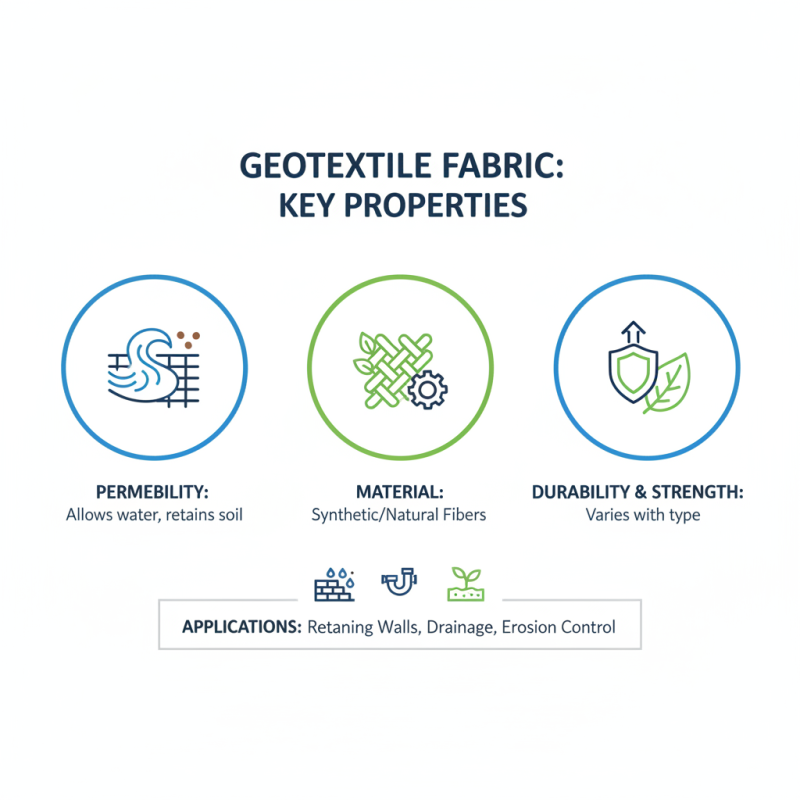
Geotextile fabric, a versatile material widely used in construction and environmental projects, possesses distinctive key properties that enhance its effectiveness. One of the primary characteristics of geotextile fabric is its permeability, allowing water to flow through while retaining soil particles. This property is crucial in applications such as retaining walls and drainage systems, where preventing soil erosion while facilitating water movement is essential. Additionally, geotextiles can be made from synthetic or natural fibers, offering varying degrees of strength, durability, and biodegradability, catering to specific project requirements.
Another significant property of geotextile fabric is its tensile strength, which is vital for applications subjected to heavy loads, such as road construction and pavement reinforcement. Its ability to withstand stress without losing integrity makes it an optimal choice for reinforcing subsoils in various constructions. Moreover, geotextiles can be woven or non-woven, influencing their application based on the specific needs of a project.
Tips: When selecting geotextile fabric for your project, consider factors such as soil type, drainage requirements, and load conditions to ensure optimal performance. Additionally, always consult with a geotechnical engineer to determine the best type of geotextile suited for your specific application. Regular maintenance and inspection of installed geotextiles can prolong their efficacy and enhance the longevity of your project.
Applications of Geotextile in Construction Projects
Geotextile fabric is increasingly recognized for its versatility and efficacy in a variety of construction projects. One of its primary applications is in road construction, where it serves to separate soil layers. By preventing the mixing of different materials, geotextiles help maintain the integrity of the road structure, enhancing stability and prolonging the life of the pavement. Additionally, they play a critical role in drainage systems. Geotextiles facilitate the flow of water while filtering out fine particles, thereby preventing clogging and enhancing the overall performance of drainage installations.
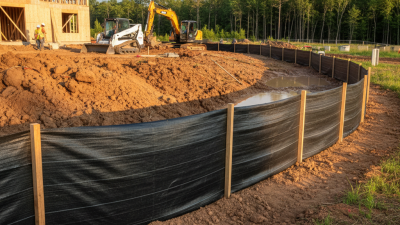
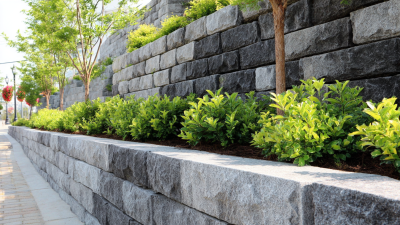
In erosion control projects, geotextiles are employed to protect soil structures from wind and water erosion. They serve as a barrier against the elements, promoting vegetation growth and stabilizing soil, especially in areas prone to erosive forces. Furthermore, geotextiles can be integrated into retaining walls, slopes, and embankments to provide reinforcement and maintain soil integrity. Their multifunctional properties make geotextiles an indispensable resource in modern construction and environmental management practices, ensuring both durability and sustainability in various applications.
Applications of Geotextile Fabric in Construction and Environmental Projects
Environmental Benefits of Geotextile Fabric in Ecological Projects
Geotextile fabric plays a critical role in various ecological projects, offering numerous environmental benefits that enhance sustainability and soil preservation. One of the primary advantages of using geotextiles is their ability to improve soil stability and reduce erosion, particularly in areas prone to heavy rainfall or fluid flow. By acting as a barrier, these fabrics help to maintain the integrity of the soil structure, preventing the loss of topsoil and promoting healthy root systems for vegetation. This is particularly valuable in restoration efforts for degraded landscapes, where stable soil is essential for the reestablishment of native plants.
In addition to soil stabilization, geotextile fabrics contribute to water management in environmental projects. They facilitate proper drainage by allowing water to pass through while filtering out sediments and pollutants. This not only helps to maintain water quality in nearby bodies of water but also mitigates the risk of flooding by managing surface runoff effectively. Furthermore, the use of geotextiles can promote biodiversity by providing a healthy environment for various plant and animal species, thus supporting overall ecosystem health. Their versatility and eco-friendliness make geotextile fabrics an invaluable tool in modern ecological construction and conservation efforts.
Installation Techniques and Best Practices for Geotextile Fabric
When installing geotextile fabric, proper techniques and best practices are crucial to ensuring effective performance in construction and environmental projects. The preliminary step involves thorough site preparation, which includes removing any debris, sharp objects, and vegetation that could potentially damage the fabric. Afterward, the geotextile should be laid out in a way that allows for overlapping seams, typically by a minimum of 12 inches, to prevent water and soil infiltration at the joints. It is essential to ensure that the fabric is aligned properly and any tension is avoided, as excessive stretching can disrupt its functionality.
Once the geotextile is positioned, secure it using suitable anchoring methods. This can be accomplished with stakes or pins specifically designed for geotextiles, ensuring they are driven into the ground deeply enough to hold the fabric in place. In areas where soil movement is expected, sandbags or other weights can be beneficial for additional stabilization. Following the installation, it is vital to cover the geotextile with the appropriate amount of soil or aggregate material to protect it from UV exposure and mechanical damage, promoting long-lasting effectiveness in erosion control and filtration applications. Regular maintenance checks can help identify any issues early, thereby prolonging the service life of the fabric.