
Skip to content

What Is a Digital Smart Water Meter?

A Digital Smart Water Meter is an electronic device that measures household or commercial water use more precisely than traditional mechanical meters. It may use ultrasonic or electromagnetic sensing to monitor water movement inside a pipe. The meter records consumption in small intervals, then sends readings through a secure wireless or wired network. This process can reduce manual meter visits and reveal unusual usage patterns.

Field experience shows that smart metering becomes useful when data supports practical decisions. A utility can compare daily readings, while a homeowner can notice steady overnight flow. That might indicate a leaking toilet, dripping faucet, or damaged pipe. Small details matter. A constant reading of several liters per hour deserves attention, even when no tap appears open.

Yet the word “smart” can mislead. It is not magic. Accuracy depends on correct installation, pipe conditions, calibration, and communication quality. Manufacturer specifications should be checked carefully, because models differ in battery life, measurement range, and data frequency. Privacy also requires responsible management. Utilities should explain what information they collect, why they need it, and how long they retain it. Residents deserve clear access to their consumption records.

A reliable explanation of Digital Smart Water Meter technology should balance benefits with limitations. It should describe real operating conditions, not promise effortless savings. Proper maintenance remains important. Human review still matters. When installed and managed correctly, this technology can support leak detection, transparent billing, and more informed water conservation. Its value depends on trustworthy data and sensible action.
What Is a Digital Smart Water Meter?

Definition and Core Purpose of a Digital Smart Water Meter

A digital smart water meter is an electronic device that measures water volume and records usage at regular intervals. Unlike a traditional mechanical meter, it stores time-stamped readings and can transmit data through a secure communication network. Its core purpose is to show when and how water is used. A small display may show cubic meters, while internal sensors track flow through the pipe.

The device supports accurate billing, leak detection, and faster maintenance decisions. For example, continuous nighttime flow may indicate a leaking toilet or hidden pipe. A sudden increase at an unoccupied property can also trigger an inspection. Field technicians should compare electronic readings with site conditions, meter specifications, and local measurement requirements. Data protection matters too. Access should be controlled, and residents should understand how readings are collected.

Smart meters are useful, but they are not infallible. Battery age, poor installation, signal loss, or sediment can affect performance. A quiet screen does not prove every reading is correct. Periodic testing and professional verification remain important, especially when a bill seems unusual. In field practice, automated alerts work best with human review. That balance is easy to overlook.

Main Components and Measurement Technologies

What Is a Digital Smart Water Meter?

A digital smart water meter measures flow electronically and records usage at regular intervals. Its main components include a flow sensor, processor, memory, battery, display, and communication unit. The sensor detects water movement inside the pipe. The processor converts those signals into volume data, such as liters used during a fifteen-minute period. A sealed enclosure protects the circuit from moisture, dust, and accidental contact. Small details matter.

Flow measurement usually relies on ultrasonic, electromagnetic, or mechanical technology. Ultrasonic meters send sound pulses through the water and compare their travel times. They have no moving parts, which can reduce wear and maintenance. Electromagnetic meters measure voltage created when conductive water moves through a magnetic field. Mechanical meters use an internal turbine or impeller to estimate flow. Each method behaves differently under low flow, sediment, or trapped air.

Data becomes useful when the meter stores readings and shares them through a secure wireless or wired connection. Utility staff can identify unusual night-time flow, possible leaks, or sudden consumption changes. A local display also helps occupants check readings beside the pipe. Technicians still need correct installation, calibration, and periodic inspection. No meter is perfect. Air bubbles, poor alignment, and weak batteries can affect accuracy. In field checks, a clean strainer and stable pipe position often improve results, although they cannot correct every measurement error.

What Is a Digital Smart Water Meter?

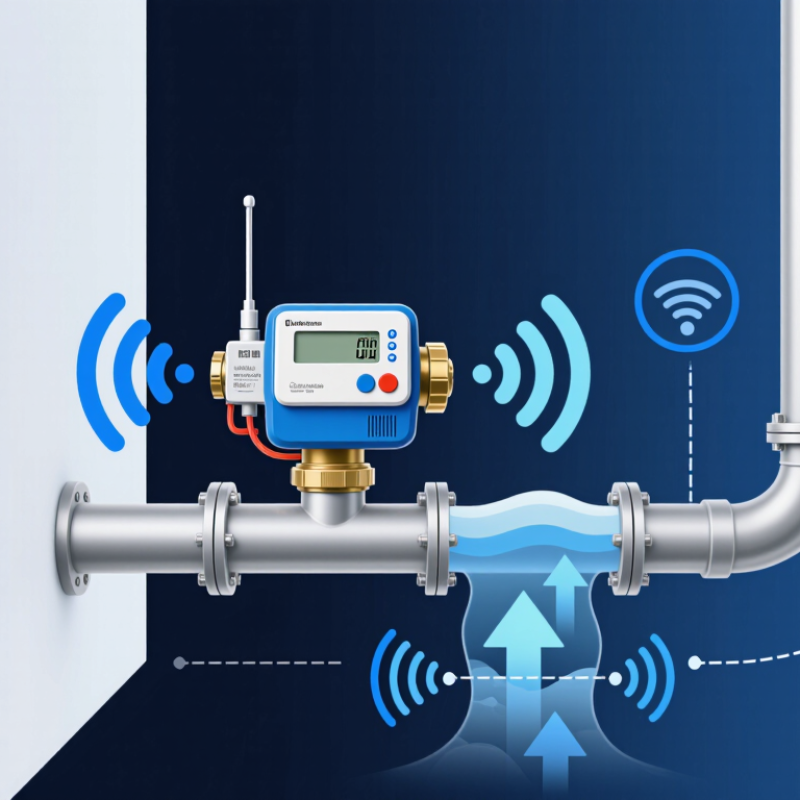
A digital smart water meter combines a flow sensor, processing unit, display, communication module, and battery or external power supply. It records water consumption and can transmit readings for remote monitoring.

Main components and measurement technologies

  • Flow sensor: Ultrasonic, electromagnetic, or mechanical sensing elements measure the movement of water.
  • Microcontroller: Converts sensor signals into flow rate and cumulative volume.
  • Communication module: Sends readings through wireless or wired networks for remote collection.
  • Power system: A long-life battery or external supply supports continuous operation.
  • Data functions: Leak alerts, reverse-flow detection, historical usage, and tamper monitoring can be supported.

The chart shows the maximum permissible measurement error specified for ISO 4064 accuracy classes. The values represent the upper flow-rate zone and lower flow-rate zone; they are error limits, not expected daily measurement errors.

How a Digital Smart Water Meter Works

A digital smart water meter measures water flow and turns each reading into usable data. Inside the housing, a sensor tracks water movement through the pipe. Some meters use ultrasonic signals, while others detect electromagnetic changes. The device calculates volume without relying on a traditional spinning dial.

The process happens continuously. A small processor records flow rate, volume, and time. It can identify steady use, sudden surges, or unusual night-time activity. For example, a toilet leak may create a faint, repeated flow when the building is empty. That detail can help technicians investigate before the monthly bill becomes surprising. It sounds simple. It is not.

The meter sends readings through a secure wireless connection or a local network. Utility staff can review the information remotely instead of entering every property. Data checks may flag reversed flow, sensor errors, or an interrupted signal. Some systems also support remote valve control, but safety procedures and local rules must guide that feature. Batteries may last for years, yet cold conditions, weak signals, and poor installation can reduce performance. Air bubbles can also affect certain measurements. A smart meter is useful, not perfect. Regular testing still matters, especially in older pipes or buildings with changing water pressure.

What Is a Digital Smart Water Meter? - How a Digital Smart Water Meter Works

Data Dimension Typical Data or Specification How It Relates to Operation
Primary Measurement Water volume, commonly recorded in litres or cubic metres A flow-sensing element measures the amount of water passing through the meter. The electronic register converts the measured flow into a cumulative volume reading.
Flow-Sensing Technologies Mechanical, ultrasonic, or electromagnetic sensing Mechanical meters use moving parts, while ultrasonic meters calculate flow from the travel time of sound waves. Electromagnetic meters determine flow from the voltage generated as conductive water moves through a magnetic field.
Measurement Output Digital display and electronically stored readings The digital register presents the current cumulative consumption and can store readings for later transmission, analysis, or billing.
Reading Frequency On-demand, scheduled, or interval-based readings Depending on the configuration, the meter may record data at regular intervals and send summaries to a local gateway, utility network, or customer portal.
Communication Methods Radio, cellular, Wi-Fi, or low-power wide-area communication Wireless communication enables remote meter reading and reduces the need for manual site visits. The selected method depends on coverage, power requirements, and network design.
Leak Detection Continuous or repeated low-flow pattern monitoring A prolonged, uninterrupted flow or unusual consumption pattern can indicate a leaking toilet, faucet, service line, or other plumbing fixture.
Reverse-Flow Detection Electronic detection of backward water movement The meter can identify reverse flow caused by installation issues, pressure changes, or backflow conditions and may record it as an operational event.
Tamper Monitoring Cover opening, magnetic interference, removal, or abnormal movement alerts Built-in event monitoring can help identify physical interference or unauthorized handling of the meter and provide a timestamped alert.
Power Supply Battery-powered operation or external electrical power Many residential smart meters use long-life batteries to support installation in locations without a nearby electrical outlet. Communication frequency and network conditions affect battery life.
Typical Battery Service Life Approximately 10–20 years for many battery-operated designs Actual service life varies according to meter type, transmission schedule, signal strength, temperature, battery capacity, and local operating conditions.
Measurement Accuracy Often within approximately ±1% to ±5% over the specified operating range Accuracy depends on the meter design, flow rate, installation position, water quality, calibration, and compliance with applicable metering standards. The manufacturer’s certified specification should be used for a particular model.
Installation Position Usually installed on the incoming water service line Correct pipe diameter, flow direction, straight-pipe requirements, accessibility, and protection from freezing are important for reliable measurement and maintenance.
Data Security Authenticated communication and encrypted data transmission where supported Security controls help protect consumption data and reduce the risk of unauthorized access. Specific protections depend on the communication network and system configuration.
Main Benefits Remote reading, faster issue detection, improved billing data, and consumption visibility Smart metering can reduce manual reading costs, provide more frequent consumption information, support water conservation, and help utilities respond to leaks or abnormal usage.
Key Limitation Performance depends on installation quality, network coverage, power availability, and system maintenance A Digital Smart Meter does not eliminate the need for correct installation, periodic inspection, communications management, and verification of measurement performance.

Note: Values shown are general industry ranges or common operating characteristics. Exact performance depends on the meter design, installation conditions, applicable standards, and communication system.

Data Collection, Communication, and Remote Monitoring

A digital smart water meter measures water flow and records usage electronically. Unlike a basic meter, it can store readings at regular intervals. A household may see hourly patterns, while a utility can identify unusual night consumption. Sensors convert passing water into digital data, often measured in liters or cubic meters. Accurate collection depends on installation, calibration, and a clean measuring chamber. Small errors still matter.

The meter communicates through a wired or wireless connection. It sends readings to a secure platform, where authorized users can review consumption remotely. This reduces manual visits and supports faster leak investigation. For example, continuous flow at 3 a.m. may indicate a running toilet or hidden pipe leak.

Remote monitoring also helps staff compare pressure, occupancy, and seasonal demand. However, weak signals, battery limits, or delayed transmissions can create gaps. Data should not be treated as perfect. Human checks remain necessary.

Tips: Confirm the meter’s installation date and calibration record. Set reasonable alerts for sudden spikes, not every small change. Protect account access with strong passwords and limited permissions. Review missing readings before making billing or maintenance decisions. A monthly physical inspection can expose sediment, damage, or moisture that software misses. Keep communication logs for troubleshooting.

Applications, Benefits, and Practical Limitations

What Is a Digital Smart Water Meter?

Digital smart water meters measure water use electronically and transmit readings at regular intervals. Their applications extend beyond monthly billing. Utilities can identify unusual night-time flow, locate possible leaks, and study demand by neighborhood. Households may receive alerts when a toilet runs continuously or a pipe breaks behind a wall.

The need is substantial. A World Bank report estimates that 25–50% of urban water can be lost before reaching customers.

Smart meters cannot repair aging pipes, but they can shorten detection time. The U.S. Environmental Protection Agency’s Residential End Uses of Water study found that leaks accounted for about 12% of indoor household use. That figure makes automated alerts practical, not merely fashionable. Small changes matter.

Benefits still depend on implementation. A meter with poor network coverage may send delayed data. Batteries also require replacement, and sensors can produce false alarms during irrigation or sudden household use. Installation costs may burden smaller utilities.

Privacy requires careful data governance, because hourly readings can reveal occupancy patterns. The International Water Association emphasizes that digital monitoring works best with trained staff, calibrated equipment, and clear maintenance procedures. That part is often underestimated. Smart meters improve visibility, not judgment.