Why Choose the Right Spray Nozzle for Global Sourcing?
Choosing the right Spray Nozzle is a sourcing decision, not merely a component purchase. It affects flow control, coverage, energy use, product quality, and maintenance costs. In a food-processing line, a small nozzle may determine whether a conveyor receives an even wash or leaves dry, contaminated areas. In metal finishing, poor atomization can create overspray, waste coating, and unstable results.
Industry data shows why this category deserves closer attention. Grand View Research reports continued growth in the industrial spraying equipment market, driven by automation, manufacturing expansion, and demand for efficient fluid application. MarketsandMarkets also identifies process optimization and reduced material waste as major drivers for spray technology adoption. These reports use different market definitions, however. Their figures should guide evaluation, not replace technical verification.
Experienced buyers normally compare flow rate, spray angle, droplet size, pressure range, material compatibility, and wear resistance. They also request test records, dimensional drawings, batch traceability, and quality certifications such as ISO 9001. The International Organization for Standardization emphasizes consistent quality processes, while ISO 14001 supports stronger environmental management practices. Those certificates are useful, but they do not prove nozzle performance by themselves.
Test it first.
Global sourcing adds further risk. Shipping damage, inconsistent materials, unclear tolerances, and delayed spare parts can interrupt production. A reliable supplier should provide application guidance, sample testing, inspection evidence, and realistic lead times. I have seen specifications that looked complete but omitted liquid viscosity and operating temperature. That omission mattered. The best sourcing choice balances engineering evidence, supplier capability, lifecycle cost, and honest questions about what remains unverified.
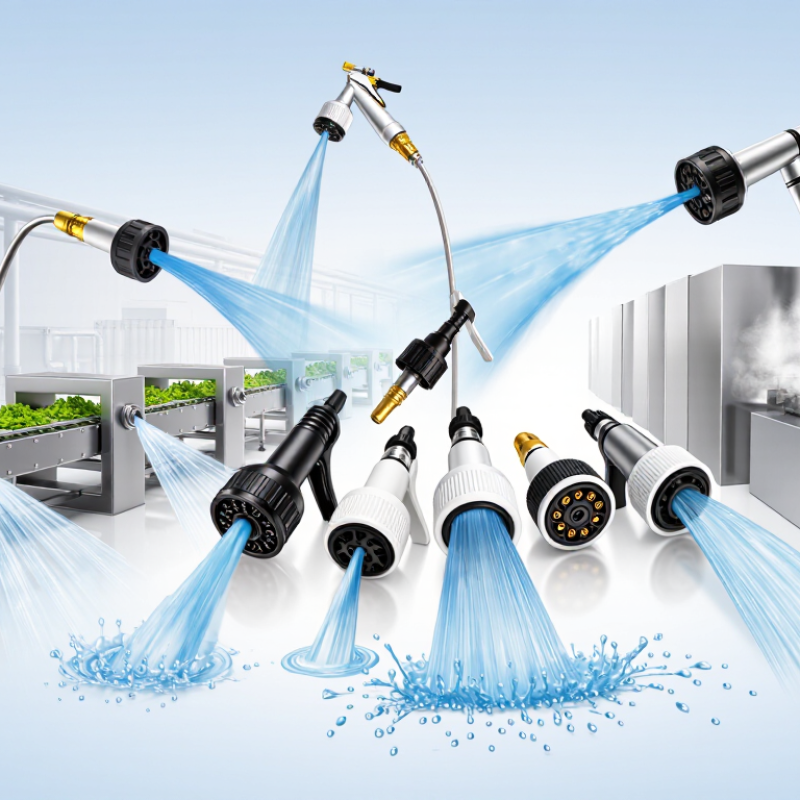
Spray Nozzle Basics and Their Role in Global Sourcing
Spray Nozzle Basics and Their Role in Global Sourcing
A spray nozzle controls how liquid becomes droplets, how widely they spread, and where they land. Its basic specifications include flow rate, spray angle, operating pressure, material, and connection size. These details affect coverage, energy use, maintenance, and product consistency. In sourcing work, I compare nozzle samples under the same pressure and liquid temperature. A nozzle that looks identical may perform differently because of a small orifice variation.
Performance also matters for resource efficiency. FAO’s AQUASTAT reports that agriculture uses about 70% of global freshwater withdrawals. This makes accurate spraying increasingly important in irrigation, cleaning, cooling, and process applications. Droplet size can reduce overspray, while a stable fan pattern can prevent dry strips on a moving production line. Small differences become costly at scale.
Global sourcing adds another layer. UNCTAD’s Review of Maritime Transport reports that more than 80% of world merchandise trade by volume moves by sea. Buyers should therefore confirm packaging strength, corrosion protection, spare-part availability, and clear technical drawings before shipment. ISO or ASABE performance references can improve supplier comparisons, but they do not replace testing. I once focused too heavily on unit price and overlooked thread compatibility. The cheaper batch needed adapters. That was avoidable. A practical sourcing file should record test pressure, measured flow, spray pattern, material certificates, and inspection tolerances. Some specifications still need review. Real liquids rarely behave like clean water.
Key Factors for Matching Nozzles to Application Requirements
Why Choose the Right Spray Nozzle for Global Sourcing?
Selecting a spray nozzle starts with the application, not the catalogue. Flow rate, pressure, spray angle, and droplet size must match the process. A nozzle for cooling may fail in coating work. Material compatibility matters when liquids contain solvents, salts, or suspended particles. Temperature also affects seals, flow stability, and service life.
In practical sourcing, I have seen small specification gaps cause expensive delays. A supplier may quote the correct connection but overlook the required spray pattern. Ask for performance data, material certificates, dimensional drawings, and test samples. Confirm whether the nozzle performs consistently at your actual pressure and temperature. Local regulations and installation standards should also be checked before ordering. Documentation is not glamorous. It prevents avoidable disputes.
Tips: Define the target flow rate and pressure first. Then compare spray coverage, droplet size, and wear resistance. Request a sample test using your real liquid whenever possible. Check cleaning access and replacement availability before approving the design. Keep a written acceptance standard for every shipment. I would not rely on catalogue images alone. They can look precise while hiding important differences. A short trial may reveal uneven coverage, clogging, or excessive overspray. That extra step is slower, but usually more reliable.
Material, Performance, and Quality Standards Across Markets
Why Choose the Right Spray Nozzle for Global Sourcing?
Material, Performance, and Quality Standards Across Markets
Choosing a spray nozzle for global sourcing requires more than comparing catalog prices. In practical purchasing work, I check the sprayed liquid, operating temperature, pressure, and cleaning method before reviewing designs. Stainless steel suits many corrosive or high-temperature applications, while engineered plastics can reduce weight and cost. Material compatibility still needs testing.
Performance should be measured under real conditions. A nozzle rated for 10 bar may behave differently with a viscous liquid or uneven pump flow. Spray angle, droplet size, flow rate, and wear resistance affect production results. Ask suppliers for test data, dimensional drawings, and sample records. Small details matter. A blocked or misaligned nozzle can waste material within minutes.
Quality expectations also vary across markets. Buyers may request ISO-based quality systems, material certificates, traceability records, or specific conformity documents. These documents support trust, but they do not replace physical inspection. Check thread accuracy, surface finish, sealing faces, and batch consistency. I have seen specifications look complete while omitting the actual liquid temperature. That was an avoidable mistake. Suppliers should explain inspection methods clearly, and buyers should challenge unclear claims. Not every low-cost option is risky, and not every premium option performs better. Independent sampling and repeat testing reveal the difference.
Why Choose the Right Spray Nozzle for Global Sourcing?
Typical continuous service temperatures by commonly used spray-nozzle material
Indicative engineering values: actual limits vary by material grade, pressure, chemical exposure, and nozzle design. Always verify supplier datasheets and applicable market standards.
Supplier Evaluation, Cost Analysis, and Supply Chain Reliability
Choosing a spray nozzle for global sourcing requires more than comparing unit prices. Start with application evidence: liquid viscosity, operating pressure, spray angle, flow rate, material compatibility, and wear tolerance. Request dimensional drawings, inspection records, and sample test results. A reliable supplier should explain its calibration method and maintain lot traceability. Small details matter. A one-degree spray deviation can create uneven coating, excess consumption, or rework.
Supplier evaluation should include total landed cost, not only the quotation. Add tooling, sampling, inspection, freight, duties, packaging, replacement parts, and production downtime. The World Bank’s 2023 Logistics Performance Index assesses 139 economies through customs, infrastructure, tracking, and timeliness. Use those indicators to compare manufacturing locations, but do not treat rankings as complete proof. A strong score cannot replace a factory audit. Our early cost estimates are often too optimistic.
Supply chain reliability needs measurable evidence. Ask about approved secondary materials, capacity during peak demand, change-control procedures, and recovery plans. The 2023 McKinsey Global Supply Chain Leader Survey reported that 90% of respondents had invested in supply chain resilience. That investment should appear in supplier records, not only presentations. Review delivery performance, defect rates, corrective-action closure, and communication speed over several months. A cheaper nozzle is expensive when one delayed shipment stops a filling line. Some evaluation criteria remain imperfect, but transparent records make the risks visible.