How to Choose the Right Paver Sand for Your Outdoor Projects?
When embarking on outdoor projects, the choice of paver sand is crucial. Mark Johnson, a renowned expert in landscaping materials, emphasizes, "The right paver sand can make or break your patio installation." This highlights the importance of selecting appropriate materials for durability and aesthetics.
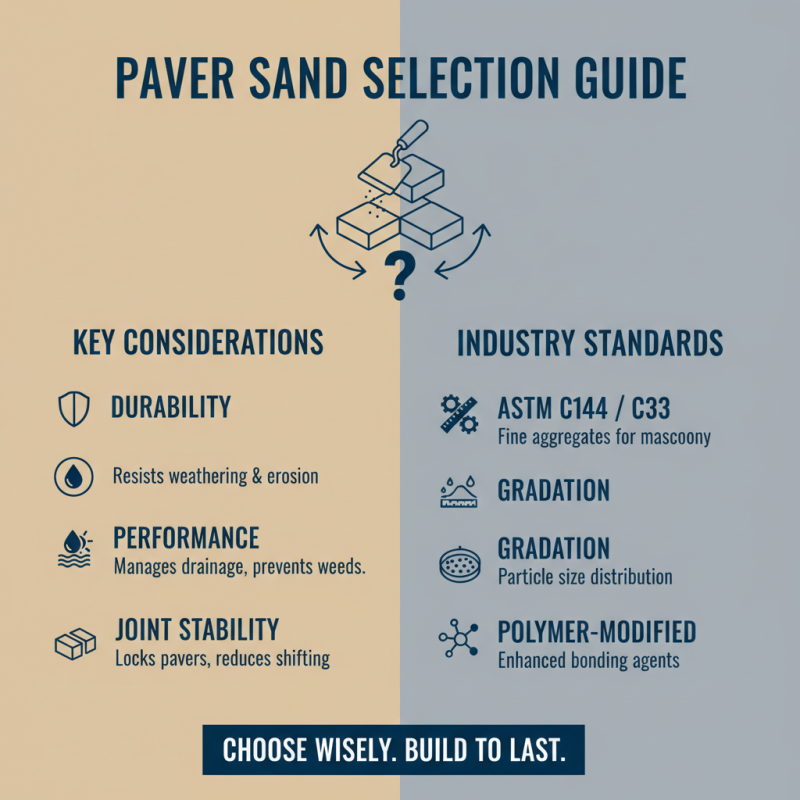
Paver sand affects how well your stones stay in place. It impacts drainage and the overall stability of your project. However, many overlook these factors. They choose paver sand based on price alone. This often leads to complications down the line.
Consider the specific type of project you're working on. Different applications may require varying qualities of sand. Reflecting on your choices can prevent future issues. It’s not just about immediate results; it's about long-term satisfaction with your outdoor space. Choosing the right paver sand is more than a decision; it's a commitment to your project's success.
Understanding Different Types of Paver Sand: A Comprehensive Overview
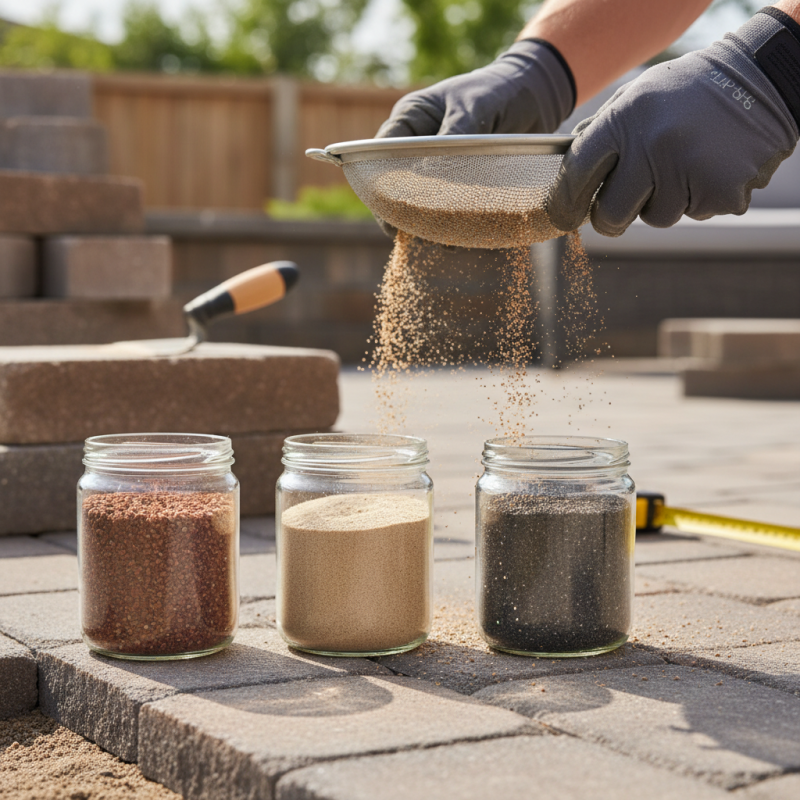
Choosing the right paver sand is crucial for outdoor projects. This decision influences the durability and aesthetics of patios, walkways, and driveways. There are several types of paver sand available, each serving a unique purpose.
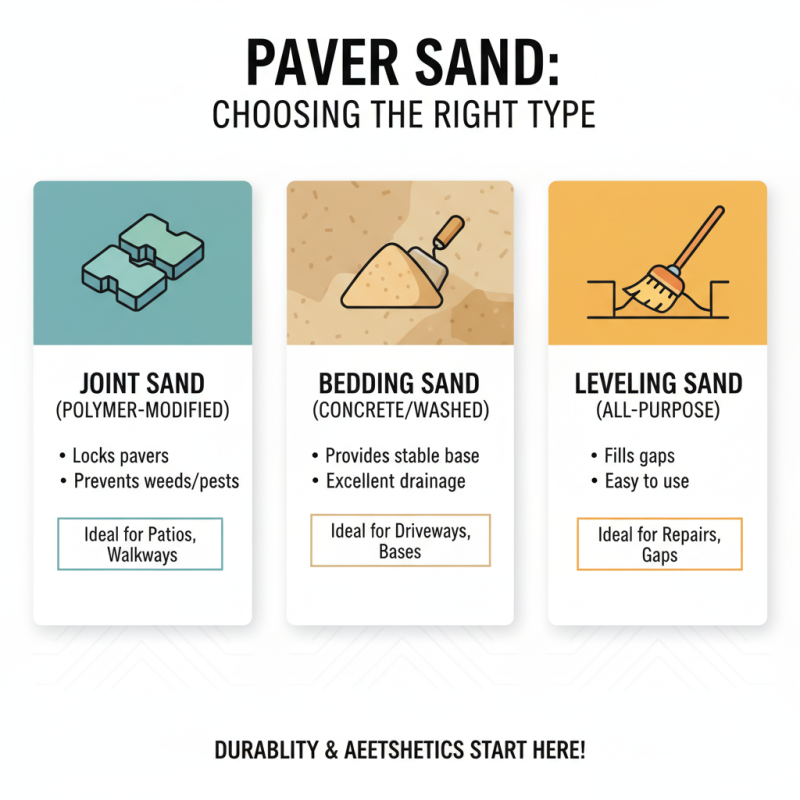
Polymeric sand is popular for its ability to harden and prevent weed growth. According to industry reports, about 70% of contractors prefer it for residential installations. This sand binds well and reduces erosion. However, it can be challenging to work with in wet conditions.
On the other hand, washed sand is commonly used for base layers and joints. It's easy to install and can be swept into the joints for stabilization. However, without proper sealing, washed sand can wash away with heavy rain. Fine sand, while less stable, allows for better drainage but requires careful selection to avoid compaction issues. Each type of sand has its pros and cons, and understanding these nuances is essential for project success.
Key Characteristics of Jointing Sand vs. Base Sand for Paver Installations
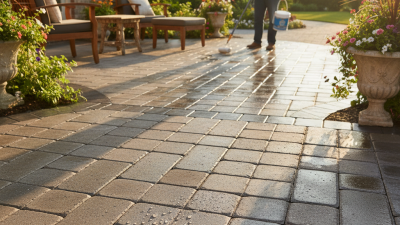
When considering paver installations, understanding the different types of sand is crucial. Jointing sand is specifically designed for filling the gaps between pavers. It helps prevent weed growth and insect infestation. This sand is often angular in shape, allowing for better interlocking. The grain size is usually finer, leading to a snug fit. Keep in mind that jointing sand needs to be swept into the joints after placing the pavers.
On the other hand, base sand serves a different purpose. It provides a stable foundation for the pavers. The texture of base sand tends to be coarser. This helps with drainage and prevents the pavers from settling unevenly. When choosing base sand, ensure it is compactable. However, if not properly stabilized, this sand can lead to shifting over time.
Ultimately, understanding these characteristics can lead to better outdoor projects. Choosing the right type of sand may seem straightforward. Yet, many people overlook the details. A slight mistake can result in costly repairs. Consider the specifics of each type carefully.
Comparison of Jointing Sand and Base Sand Characteristics
The Importance of Proper Grading and Compaction in Sand Selection
Proper grading and compaction are crucial when selecting paver sand for outdoor projects. Grading ensures a level base, which prevents uneven settling. If the grading is off, it leads to frustrating problems later. A slope that’s too steep can cause erosion. Meanwhile, inadequate compaction can create voids in the sand. These voids allow for movement, which can crack pavers over time.
Compaction might seem trivial, but it plays a significant role. Compacting the sand before laying pavers creates a stable foundation. It minimizes the chances of shifting and sinking. A well-compacted surface can handle the weight of vehicles and foot traffic. If the sand isn’t compacted properly, your project might feel successful initially. However, issues will likely arise as time goes on. Pay attention to these details. They can make or break your project’s longevity.
Evaluating Environmental Impact: Choosing Eco-Friendly Paver Sand Options
When selecting paver sand for outdoor projects, considering the environmental impact is crucial. Eco-friendly options can significantly reduce your carbon footprint. Studies have shown that traditional paver sands, often derived from non-renewable resources, can contribute to ecosystem degradation. Choosing alternatives like recycled materials or naturally sourced sands helps preserve natural habitats.
Many people overlook the source of paver sand. Approximately 70% of sands used in construction come from riverbed and coastal areas. This extraction harms aquatic life and affects water quality. By opting for eco-friendly paver sands, such as those made from crushed glass or manufactured sand, you support sustainable practices.
However, not all eco-friendly products meet performance standards. Some might not provide adequate drainage or compact properly. You may face issues with shifting or settling over time. Testing different materials could lead to unexpected results. Be prepared for adjustments after installation. Balancing environmental concerns with practical performance is essential for long-lasting outdoor projects.
How to Choose the Right Paver Sand for Your Outdoor Projects?
| Sand Type |
Environmental Impact |
Cost per Ton |
Best Use Cases |
Notes |
| Polymeric Sand |
Low - Eco-friendly options available |
$30 |
Patios, Walkways |
Resistant to weed growth |
| Regular Sand |
Medium - Depending on source |
$15 |
Base Layer |
Granular, good drainage |
| Crushed Stone Sand |
Medium - More sustainable sources available |
$25 |
Heavy Duty Projects |
Durable and strong |
| Recycled Concrete Sand |
Low - Made from recycled materials |
$20 |
Eco-Friendly Projects |
Promotes sustainability |