How to Choose the Right Erosion Control Products for Your Project?
Choosing the right erosion control products can be challenging. There are many options available, each designed for specific situations. Selecting the best fit requires careful consideration.
Factors include your project's location and soil type. For example, sandy soils often need different products than clay soils. Some erosion control products work better in wet climates, while others are suited for dry areas. Therefore, understanding your environment is essential.
It's easy to overlook specific details. You might focus on costs, but effectiveness is crucial too. A cheaper product may not perform well, leading to higher long-term costs. Always research and reflect on your choices. Consider both immediate results and future needs. Making informed decisions will provide the best outcomes for your project.
Understanding the Types of Erosion Control Products Available in the Market
When selecting erosion control products, understanding the types available is crucial. Common options include
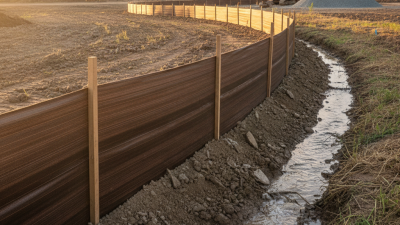
silt fences,
geotextiles, and
erosion control blankets.
Silt fences are useful for sediment control. They consist of fabric supported by posts. They are effective, but installation requires attention to detail.
Geotextiles are another option. They help stabilize soil. They act as a barrier against erosion while allowing water to flow. However, they can be difficult to select without proper guidance. It's easy to pick the wrong type for your soil conditions or project scale.
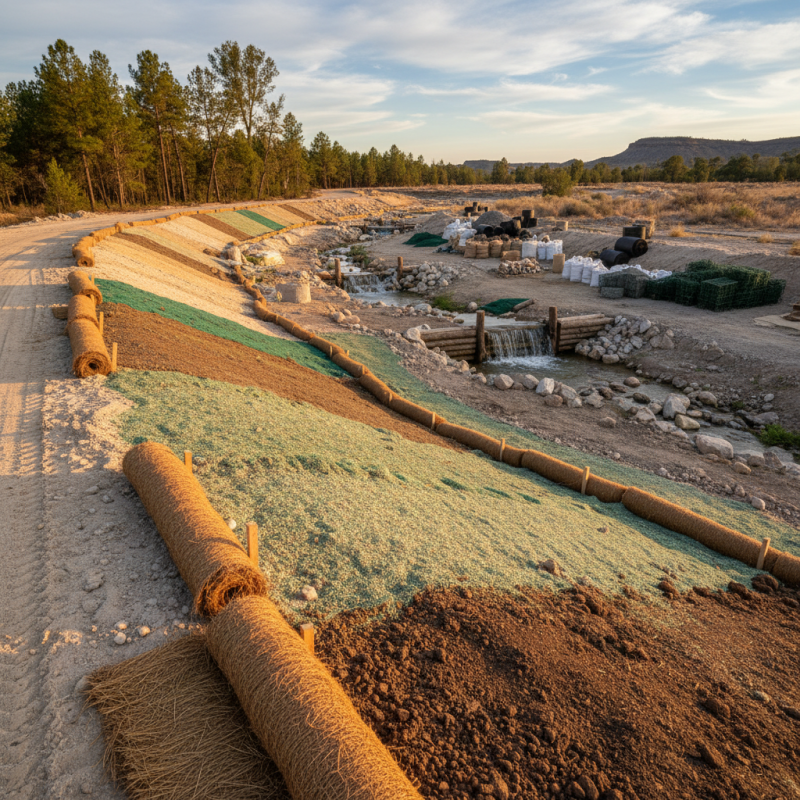
Erosion control blankets can also play a vital role. They are made from biodegradable materials. They protect seedlings and help in moisture retention. Still, they may not be suitable for all terrains. Some might find they degrade too quickly. Evaluating the specific needs of your site can lead to better decisions.
Evaluating Soil Types and Project Specifications for Optimal Selection
When selecting erosion control products, understanding soil types is crucial. Different soils behave uniquely under stress. For instance, sandy soils drain quickly but offer little cohesion. Clay soils, on the other hand, hold water but can become slippery. According to a 2021 report by the Environmental Protection Agency, around 30% of erosion issues arise due to improper soil management.
Project specifications further influence product choice. Steeper slopes might require more robust solutions like silt fences or biodegradable mats. In contrast, flatter areas can benefit from simple vegetation cover. A study by the USDA found that using cover crops can reduce erosion by up to 65%. However, many projects overlook specific site conditions, leading to ineffective choices.
Balancing soil characteristics with project needs isn't straightforward. Site assessments often reveal unexpected factors. Conditions such as rainfall, vegetation cover, and human activities can impact erosion rates dramatically. Adapting to local conditions requires continual reflection and adjustment of strategies. Emphasizing detailed analysis enhances the probability of successful erosion control solutions.
Cost-Benefit Analysis: Long-Term Benefits versus Initial Investment
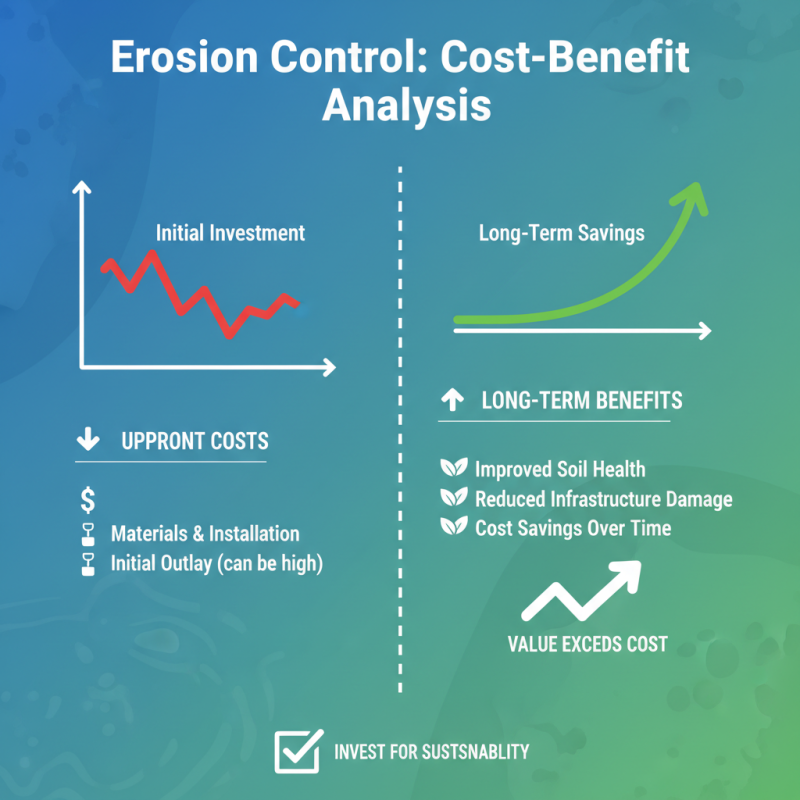
When considering erosion control products, assessing costs is vital. Initial investments may appear steep. However, long-term benefits can significantly outweigh these upfront costs. Improved soil health and reduced infrastructure damage lead to cost savings.
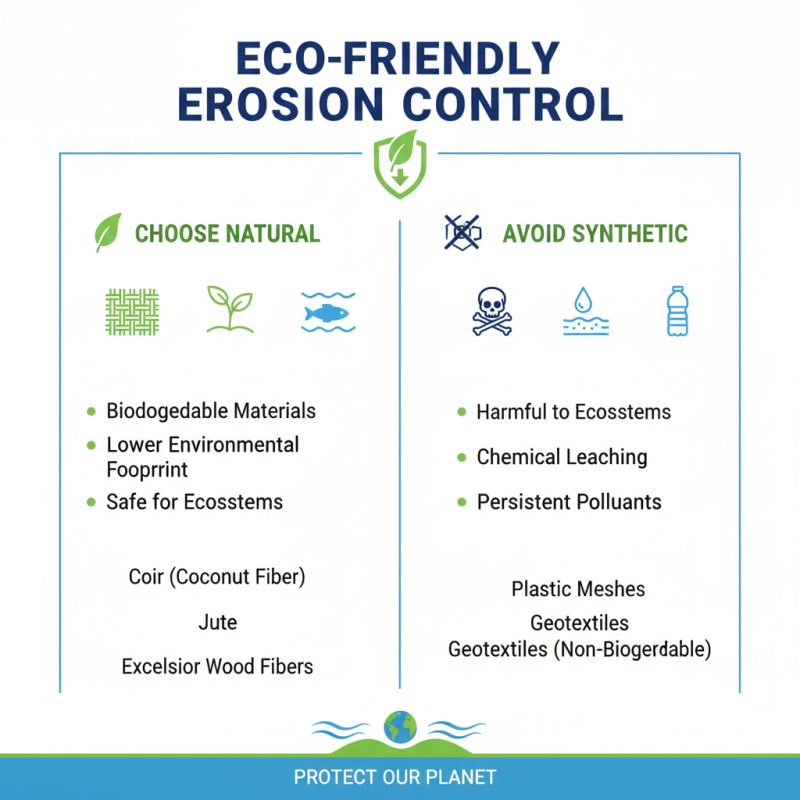
For instance, a project that invests in natural barriers may see better results over time. These products often require less maintenance. Additionally, they enhance biodiversity, creating a more stable ecosystem. In contrast, cheaper solutions may fail quickly, leading to repeated expenses.
Every project is unique. Some may prioritize immediate savings, yet overlook future implications. Reflecting on past decisions can guide better choices. A more robust solution may yield greater returns, both financially and environmentally. Investing wisely today fosters sustainability for future projects.
Best Practices for Implementation and Maintenance of Erosion Control Solutions
Effective erosion control requires careful planning and implementation. To maintain these solutions, it's essential to regularly monitor conditions. This ensures that the chosen products remain effective over time. Quick inspections help identify issues early, saving time and resources.
When implementing erosion control measures, consider the local environment. Different areas face unique challenges, such as heavy rainfall or dry spells. A simple strategy is to utilize native plants. They adapt well and require less maintenance.
Also, timing plays a crucial role. Installing erosion control products at the right moment can make a significant difference. Avoid working during wet seasons. This can lead to further soil disturbance.
Tips: Be prepared for adjustments. Sometimes, initial choices may not perform as expected. Don’t hesitate to modify your approach. Regular communication with your team helps address emerging challenges. Remember, erosion control is a continuous process that needs attention and flexibility.