How to Choose the Best Folding Door for Your Home?
When considering home renovations, choosing the right Folding Door is essential. According to a 2022 industry report, folding doors can increase a home's value by up to 10%. These doors create seamless transitions between indoor and outdoor spaces. They offer flexibility, style, and space-saving benefits that traditional doors cannot match.
Folding doors come in various materials, such as vinyl, wood, and aluminum. Each material has its pros and cons. Vinyl, for example, is low maintenance but might lack the elegance of wood. In contrast, wood offers warmth but requires more upkeep. This decision can reflect personal style and practicality.
It's important to think beyond aesthetics. Foldable designs vary significantly in terms of operation and durability. Some may encounter operational issues over time if not installed correctly. Always review warranties and customer feedback. Taking time to research folding doors can yield positive results for your home. Ultimately, finding the right balance between form and function is key.
Understanding Different Types of Folding Doors Available for Homes
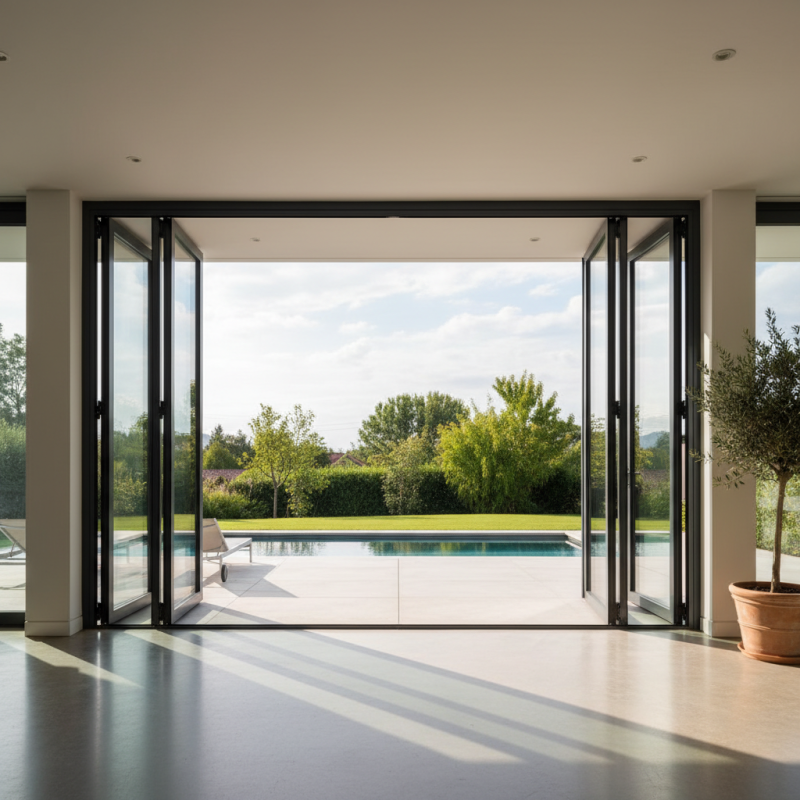
Folding doors have gained popularity in residential spaces, blending functionality with aesthetics. There are various types to consider. Bi-fold doors are commonly chosen for their versatility. They open wide, creating a seamless transition between indoor and outdoor areas. They are often made of glass and allow ample natural light. However, they require sufficient wall space to operate effectively.
Multi-slide doors are another option. They slide open, stacking against one side. This creates a wide opening while saving space. Like bi-folds, they are ideal for patios. According to a recent report from the National Association of Home Builders, up to 35% of homeowners prefer these options for modern designs. Unfortunately, pricing can be a concern, as high-quality materials can elevate the cost significantly.
Then come accordion doors. These are often used in smaller spaces. They fold in a zigzag pattern, making them compact when opened. While they effectively save space, they may lack the aesthetic appeal of bi-fold or multi-slide doors. They might not always provide excellent insulation. It’s essential to weigh the pros and cons based on your specific needs. Functionality should harmonize with design for the best choice.
Evaluating the Space and Design Requirements for Folding Doors
When selecting a folding door, space and design should be your priorities. Assessing the available area is essential. Measure the opening where the door will be installed. Consider the wall or floor space that will be needed when the doors are opened. This can affect furniture placement and flow in your home.
Design plays a crucial role as well. The style and materials should complement your interior. Natural wood can evoke warmth, while aluminum may offer a sleek, modern appearance. Think about color schemes too. Sometimes, the right choice can make your space feel larger or more inviting. But there's a risk here; opting for trendy designs may not suit your long-term needs.
Evaluate any practical concerns too. Consider the usage frequency. Will the door be opened often? If so, choose a durable material. Also, think about privacy. Will the folding door allow too much visibility? Reflect on these aspects before making a decision. Finding the right balance between aesthetics and functionality is critical.
Assessing Material Options: Wood, Aluminum, and Vinyl Folding Doors
When it comes to choosing the best folding doors for your home, material options play a vital role. Wood, aluminum, and vinyl have distinct features that can impact both aesthetics and functionality. Wood offers a warm and classic look. It brings natural beauty indoors. However, it requires regular maintenance to prevent warping and damage. This might not be ideal for everyone.
Aluminum is sleek and modern. It’s lightweight yet strong. This material often withstands the elements better than wood. It may not insulate as well, though. Consider your climate before making a choice.
Then there’s vinyl. It is affordable and low-maintenance. Vinyl can mimic the look of wood while resisting moisture. However, it may lack the durability of aluminum.
Each material has its pros and cons. Reflect on your priorities. Are you looking for aesthetics, durability, or cost? Each option presents unique trade-offs. Take your time to weigh these factors. Your door should not only fit the space but also match your lifestyle.
Considering Energy Efficiency and Insulation Features in Folding Doors
When selecting a folding door, energy efficiency and insulation are crucial factors. A well-insulated door can significantly reduce energy costs. Look for doors that have multi-layer designs, which enhance thermal performance. Heat retention is vital, especially in cold climates. This can keep your space cozy and lower heating expenses.
In overall design, consider the frame material. Aluminum is durable but not the best insulator. Wood provides better insulation but requires regular maintenance. There’s always a balance between aesthetics and efficiency. You may love the look of wood, but can you handle the upkeep? It’s a question worth pondering.
Additionally, check the door's sealing mechanisms. High-quality seals prevent drafts. Poor seals lead to wasted energy. When closed, does it tightly seal? Gaps can defeat the purpose of energy-efficient designs. Sometimes, spending extra on better seals pays off in the long run. The choice can mean the difference between comfort and discomfort in your home.
Energy Efficiency and Insulation Features in Folding Doors
Installation and Maintenance Tips for Optimal Performance of Folding Doors
When it comes to folding doors, installation is crucial. Choose a flat surface and ensure proper measurements. Misalignment can lead to operational issues. It's vital to check the frame suitability before hanging the door. If the frame isn’t level, the door may not close properly. Take your time, as rushing can cause errors.
Maintenance is equally important. Regularly inspect the tracks for debris. A clean track ensures smooth operation. Lubricate hinges occasionally, but avoid excess oil. Too much can attract dirt and cause jams. If you notice any unusual noises or resistance, check for misalignment or wear and tear. Addressing these issues early can prolong the door's lifespan.
Sometimes, a door may stick or not close fully. This can be frustrating. Regular upkeep and quick fixes are necessary. Learning from these issues can improve your overall experience with folding doors. Always be proactive about care, even if it feels tedious.