How to Choose the Best Erosion Control Blanket for Your Needs?
Choosing the right erosion control blanket can significantly impact your landscaping and environmental projects. These blankets serve a vital role in stabilizing soil and preventing erosion. With a variety of options available, understanding your needs is essential.
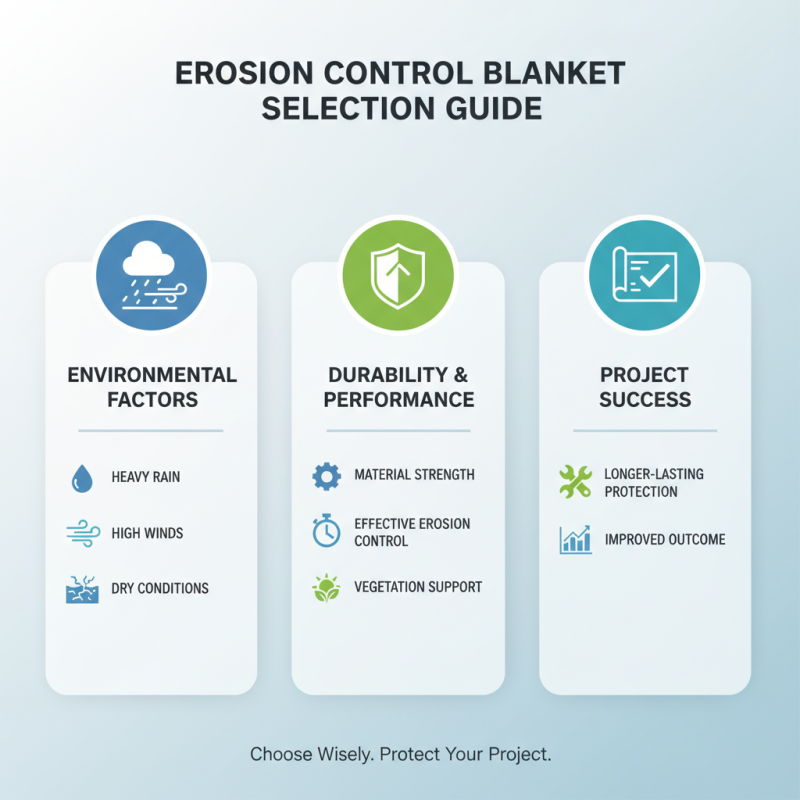
When selecting an erosion control blanket, consider factors such as the type of vegetation, soil conditions, and climate. Each project has unique requirements. This makes it crucial to evaluate the materials and designs of different blankets. Some are biodegradable, while others offer longer-lasting solutions.
It's important to reflect on your project's specific challenges. Are you working in a wetland area or on a steep slope? Your decision may shape both short-term results and long-term sustainability. By understanding your environment and the purpose of each blanket, you can make a more informed choice. This will ensure successful erosion management and soil protection.
Understanding Erosion Control Blankets: An Overview of Types and Uses
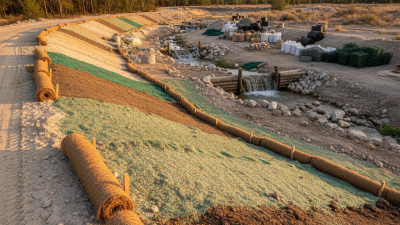
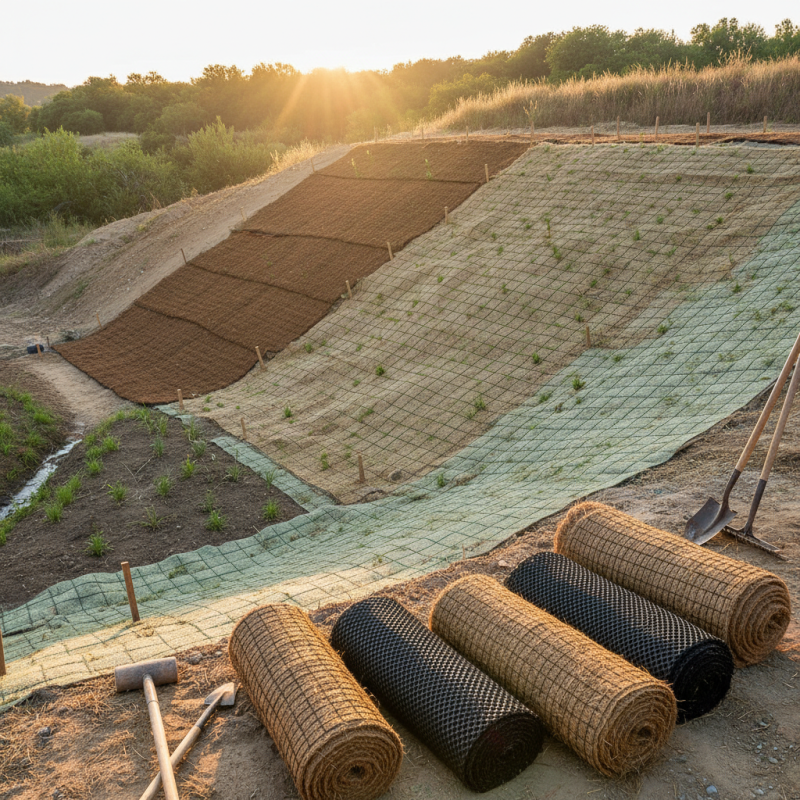
Erosion control blankets are effective tools in preventing soil erosion. They come in various types, each suited for different applications. Understanding these types is crucial for selecting the right blanket for your project.
Biodegradable blankets are popular for short-term erosion control. They decompose over time, allowing vegetation to grow. Synthetic blankets offer long-lasting solutions but may introduce environmental concerns. Natural fiber blankets combine durability and eco-friendliness but might require more maintenance.
Selecting the right blanket involves considering soil type, slope, and intended lifespan. Test areas often reveal which blanket performs best. Observe how different materials interact with the environment. Sometimes, the ideal choice may require adjustments. The right blanket balances environmental impact and effectiveness, ensuring that your erosion control efforts succeed.
How to Choose the Best Erosion Control Blanket for Your Needs?
| Type of Blanket |
Material |
Best Use Case |
Life Span |
Cost Range (per sq. ft.) |
| Biodegradable Blankets |
Natural Fibers (e.g., jute, coir) |
Steep Slopes, Natural Areas |
6-12 Months |
$0.50 - $1.00 |
| Synthetic Blankets |
Polyester or Polypropylene |
Construction Sites, Roadways |
2-5 Years |
$1.00 - $2.00 |
| Silt Fences |
Synthetic Mesh |
Waterways, Sensitive Areas |
1-2 Years |
$0.75 - $1.50 |
| Erosion Control Matting |
Coconut Fiber, Geotextiles |
Heavy Rain Areas, Slopes |
1-3 Years |
$0.80 - $1.20 |
Key Factors to Consider When Selecting an Erosion Control Blanket
When selecting an erosion control blanket, several key factors come into play. The type of blanket affects its effectiveness. Biodegradable options are environmentally friendly. They help stabilize soil and promote vegetation growth. According to industry data, these blankets can reduce erosion by up to 80%. Choosing the right material is also crucial. Synthetic options offer durability, but they may not integrate well with natural ecosystems.
Soil type significantly influences your choice. Sandy soils experience higher erosion rates compared to clay. Research indicates that erosion control blankets can be most effective in areas with high runoff. Special attention should be given to the slope of your site. Steeper slopes demand more robust solutions, as they face greater challenges from water flow.
Here are some tips:
- Evaluate your site’s specific needs before purchasing.
- Look for blankets with proven performance in your region.
- Consider local climate impacts on blanket longevity.
Selecting the right erosion control blanket is not just about reducing erosion. It's also about enhancing your environment. Making informed decisions can lead to better outcomes for land preservation and sustainability.
Comparing Material Options: Natural vs. Synthetic Erosion Control Blankets
When considering erosion control blankets, one key aspect is the choice between natural and synthetic materials.
Natural erosion control blankets often utilize materials like coconut fiber, straw, or jute.
These materials are biodegradable and promote soil health.
They can help increase organic matter in the soil over time. However, their lifespan may be shorter in harsher conditions.
On the other hand, synthetic blankets are made from materials such as polypropylene or polyester.
These products provide excellent durability and can withstand extreme weather conditions.
However, they take longer to decompose and may not contribute positively to soil health.
While they offer immediate results, the long-term environmental impact is worth questioning.
In some cases, the choice isn’t clear-cut.
Factors like project duration, landscape type, and environmental goals can complicate the decision.
For instance, a short-term project on a steep slope may benefit from synthetic materials, while a long-term garden project might merit natural alternatives.
It's essential to weigh these considerations carefully to select the best product for your needs.
Cost Considerations and Budgeting for Erosion Control Solutions
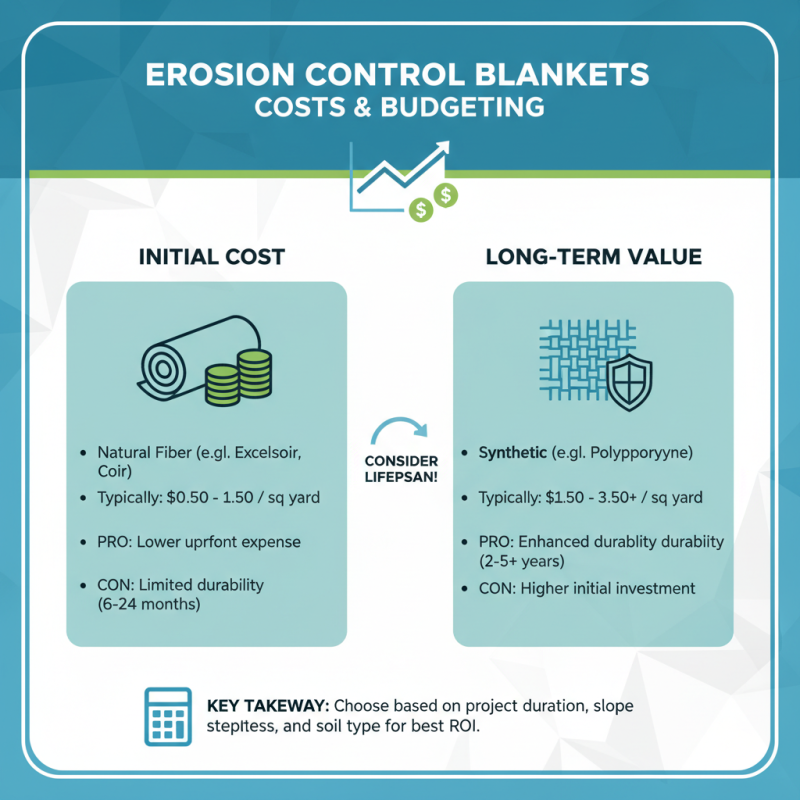
When considering erosion control blankets, cost is a crucial factor. According to industry reports, average prices range from $0.50 to $3.50 per square yard, depending on the material and intended use. Natural fiber blankets may initially seem cheaper, but their durability is often limited. Conversely, synthetic options can be more expensive but might offer better long-term reliability.
Budgeting for these solutions requires careful planning. A project covering one acre may need around 43,560 square feet of blanket, leading to costs between $21,000 and $152,000. Unexpected site conditions can swell budgets. Soil type, slope steepness, and climate play significant roles in determining effectiveness and lifespan. Planning for contingencies in the budget is wise. Assessing local and state regulations on erosion control can help avoid fines and additional costs down the line.
Choosing the right blanket goes beyond initial costs. Analysis of installation and maintenance expenses is essential. A cheaper blanket may require more frequent replacements. This can increase long-term investments significantly. Seek expert consultations to evaluate these factors. Balancing upfront costs with long-term performance ensures more sustainable solutions.