How to Choose the Best Concrete Sealer for Your Driveway
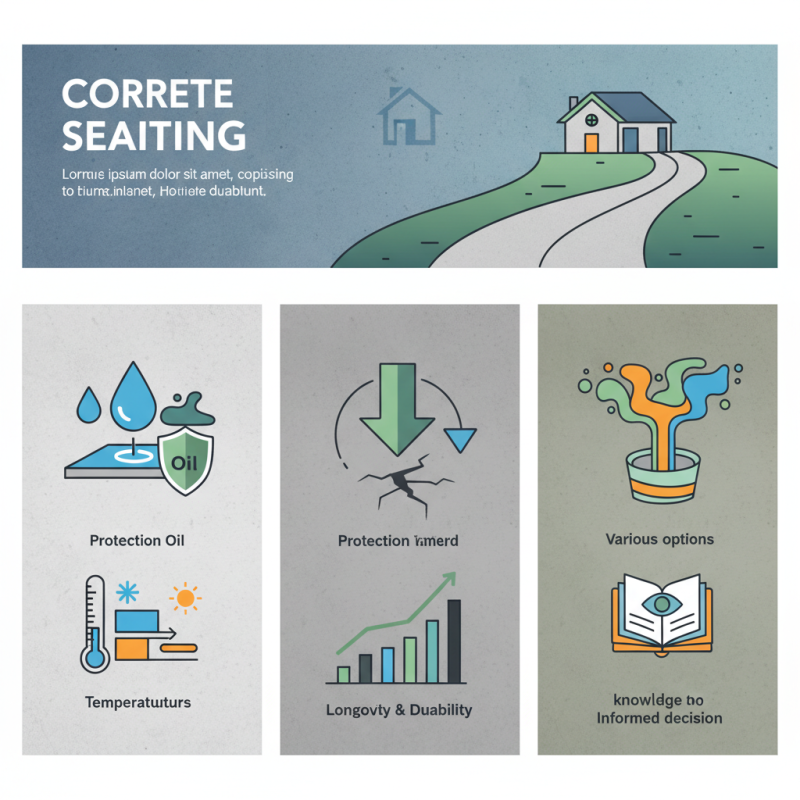
Choosing the right concrete sealer for your driveway is a crucial decision that impacts not only the aesthetics but also the longevity and durability of your surface. According to the American Concrete Institute, nearly 60% of concrete deterioration is a result of poor sealing and lack of maintenance. This striking statistic underscores the importance of selecting a high-quality product tailored to your specific driveway needs. A well-chosen concrete sealer can provide protection against moisture, oil stains, and the damaging effects of freeze-thaw cycles, ultimately extending the lifespan of your investment.
Industry expert Dr. Emily Johnson, a renowned concrete construction specialist, emphasizes the significance of this choice by stating, "The foundation of a durable driveway begins with the correct concrete sealer—it’s your first line of defense against the elements." With various options available, it is essential to understand the different types of sealers, their properties, and the unique needs of your driveway. This guide aims to equip homeowners with the necessary knowledge to make an informed decision, ensuring a beautiful and resilient driveway for years to come.
Understanding Different Types of Concrete Sealers for Driveways
When it comes to selecting the best concrete sealer for your driveway, it's essential to understand the various types available and their specific benefits. The most common types of concrete sealers include film-forming sealers and penetrating sealers.
Film-forming sealers create a protective layer on the surface, which can enhance the appearance of the concrete and provide robust protection against moisture and stains. These sealers are ideal for decorative concrete surfaces as they can impart a glossy finish, but they may require reapplication over time due to wear and tear.
On the other hand, penetrating sealers work by infiltrating the concrete surface, providing protection from within. They are particularly effective at preventing water from seeping into the concrete, thus reducing the risk of freeze-thaw damage and salt damage.
These sealers tend to be less visible, maintaining the natural look of the concrete, which can be a critical factor for homeowners who prefer a more understated appearance.
Understanding these fundamental differences will help you make an informed decision based on your driveway's specific needs and the environment it is exposed to.
Factors to Consider When Choosing a Concrete Sealer
When selecting the best concrete sealer for your driveway, there are several key factors to consider to ensure optimal protection and durability. First, understand the different types of sealers available, such as penetrating sealers and film-forming sealers. Penetrating sealers absorb into the concrete and provide protection without altering its appearance, making them ideal for situations where aesthetics are important. On the other hand, film-forming sealers create a protective layer on the surface, which can enhance the color and gloss but may require more maintenance over time.
Another crucial factor is the climate in your area. If you live in a region with extreme weather conditions, such as heavy rain or ice, it's essential to choose a sealer that offers strong waterproofing and freeze-thaw resistance. Additionally, it's important to consider the intended use of your driveway. For heavy vehicle traffic, select a sealer with excellent abrasion resistance to withstand wear and tear.
Tips: Always test a small area of your driveway with the sealer before applying it to the entire surface. This ensures compatibility and helps you visualize the final appearance. Also, prepare the surface properly by cleaning it and repairing any cracks or damage before sealing. This preparation can significantly enhance the effectiveness of the sealer.
Evaluating the Performance and Durability of Concrete Sealers
When evaluating the performance and durability of concrete sealers for your driveway, it's essential to consider several key factors. First, understand the different types of sealers available—film-forming sealers create a protective layer over the surface, while penetrating sealers absorb into the concrete for a more natural finish. Each type has distinct advantages, so it’s crucial to choose one that aligns with your specific needs, whether that’s protecting against water damage, stains, or harsh UV rays.
Tips: Before making a decision, always check the manufacturer’s specifications for the sealer's expected lifespan and application requirements. Proper surface preparation is also vital for the sealer’s performance; ensure your driveway is clean and free of debris or old coatings.
Additionally, consider the environmental conditions in your area. If you live in a region with extreme weather fluctuations, select a sealer that offers superior temperature resilience and durability. Regular maintenance will also enhance the lifespan of the sealer, so make it a habit to inspect the surface annually and reapply as necessary to maintain its protective qualities.
How to Choose the Best Concrete Sealer for Your Driveway - Evaluating the Performance and Durability of Concrete Sealers
| Sealer Type |
Performance Rating |
Durability (Years) |
Application Ease |
Cost per Gallon |
| Acrylic Sealer |
Good |
3-5 |
Easy |
$25 |
| Epoxy Sealer |
Excellent |
5-10 |
Moderate |
$50 |
| Polyurethane Sealer |
Very Good |
6-12 |
Difficult |
$60 |
| Silane/Siloxane Sealer |
Excellent |
10+ |
Easy |
$75 |
| Water-Based Sealer |
Good |
3-7 |
Very Easy |
$30 |
Application Methods for Various Concrete Sealers
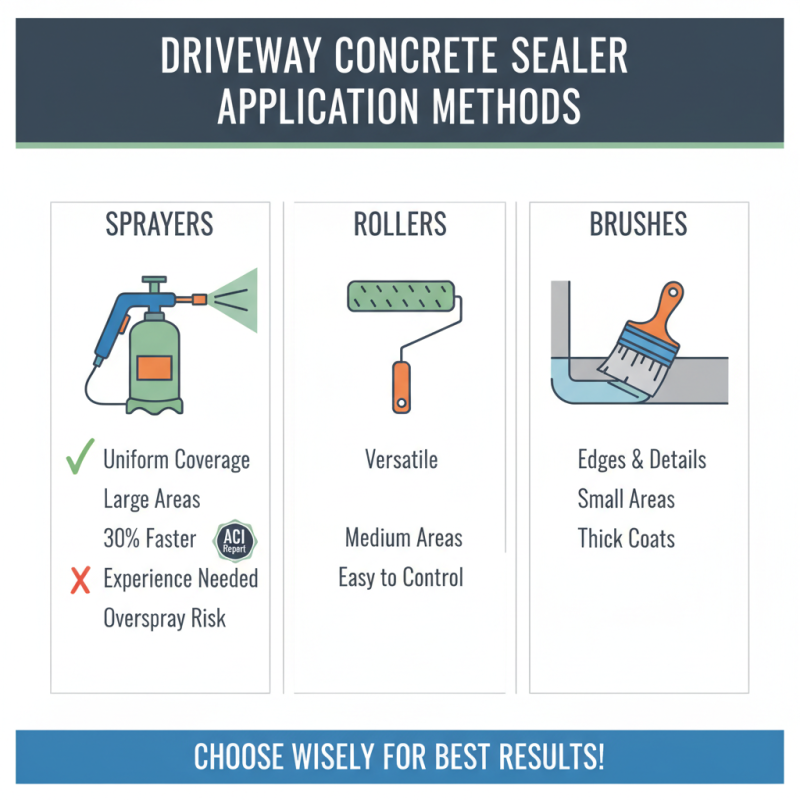
When selecting a concrete sealer for your driveway, understanding the various application methods is crucial for achieving optimal results. There are primarily three methods of application: sprayers, rollers, and brushes. Each method has its advantages and is suited for different types of sealers. According to a report by the American Concrete Institute (ACI), using a sprayer often leads to more uniform coverage and is ideal for larger surface areas, which could reduce application time by up to 30% compared to other methods. However, sprayers require experience to minimize overspray and ensure an even finish.
Rollers are another popular choice, especially for homeowners looking for simplicity. They provide good control and are suitable for thicker sealers, which can be vital for high-traffic areas. The National Ready Mixed Concrete Association (NRMCA) recommends that applicators use a roller with a 1/2-inch nap for optimal adhesion and penetration of the sealer into the concrete pores. Brushes, while more labor-intensive, are often used for detailing or edging, making them essential tools for ensuring that every inch of the driveway is sealed effectively. This method is particularly beneficial when working around intricate patterns or textures on the concrete.
Ultimately, choosing the right application method depends not only on the type of sealer but also on the specific project requirements. The surface condition, weather factors, and the desired finish all play a significant role in this decision. A comprehensive understanding of these methods can lead to better durability and performance of the concrete surface, which is a vital consideration given that properly sealed driveways can extend their lifespan by up to 30%, according to various industry studies.
Maintenance Tips for Long-lasting Driveway Sealing
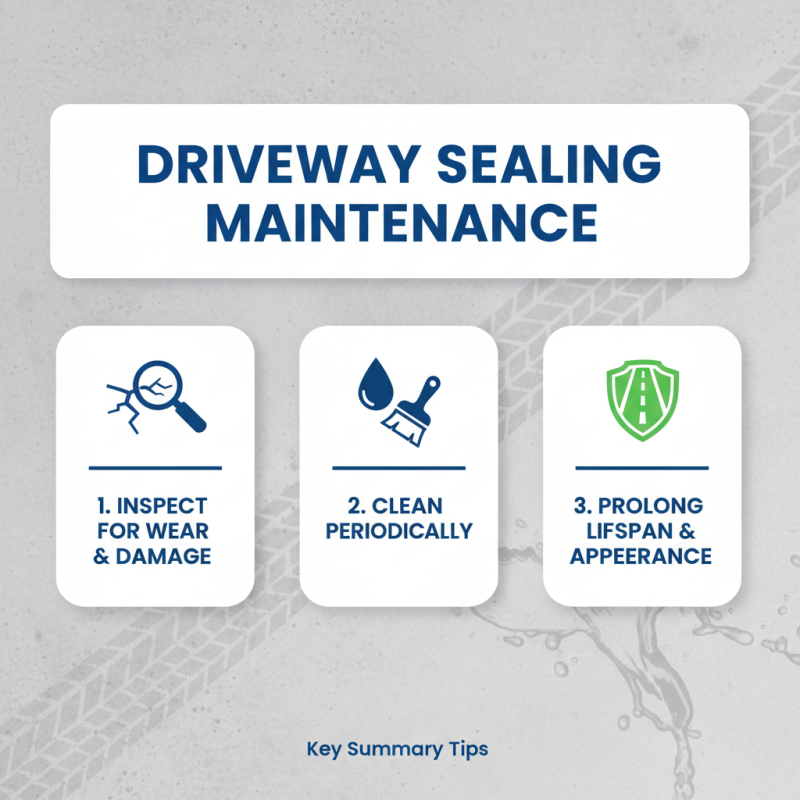
Maintaining your driveway sealing is crucial for prolonging its lifespan and enhancing its appearance. One primary tip is to regularly inspect the surface for any signs of wear or damage. Look for cracks, discoloration, or signs of moisture penetration. Addressing minor issues early can prevent them from escalating into major repairs. It's advisable to clean the driveway periodically using a gentle cleaner and a pressure washer to remove dirt, oil stains, and debris that can compromise the sealant's effectiveness.
Another essential maintenance practice is to reapply sealer every few years, depending on the type of sealer used and environmental conditions. This will ensure continued protection against water, oil, and UV damage. Before reapplication, make sure to thoroughly clean the surface and allow it to dry completely. In addition, avoid parking heavy vehicles on the driveway for at least 24 hours after sealing, allowing the product to cure properly. By following these maintenance tips, you can keep your driveway looking great and extend the life of the sealant, thus saving you time and money in the long run.