
Choosing Aluminium Colonial Windows involves more than matching a traditional grille pattern to a modern façade. The frame must balance heritage character, thermal performance, weather resistance, maintenance, and installation quality. A window can look beautifully colonial while performing poorly around its perimeter. That detail is easy to miss.
The U.S. Department of Energy reports that windows can account for approximately 25–30% of residential heating and cooling energy use. Its Energy Saver guidance recommends comparing U-factor, solar heat gain coefficient, visible transmittance, and air leakage ratings. These measurements help turn visual preferences into practical decisions. The National Fenestration Rating Council also highlights certified product ratings as a reliable basis for comparison. Numbers matter.
Building-science expert Joe Lstiburek has famously said, “Windows are holes in walls.” His point remains useful when evaluating Aluminium Colonial Windows. Every opening needs correct flashing, drainage, sealing, and structural support. Aluminium also offers slim sightlines and strong resistance to warping, but it may conduct heat without an effective thermal break. That trade-off deserves attention. The Aluminium Stewardship Initiative notes that recycled aluminium can require far less energy than primary aluminium, supporting more responsible material choices.
This guide will examine grille layouts, frame finishes, glass specifications, thermal breaks, coastal durability, and installation details. It will also question common assumptions. The most expensive option is not automatically the best one. Local climate, wall construction, and maintenance expectations should shape the final choice. A perfect-looking window can still become a weak point if its installation is treated as an afterthought.
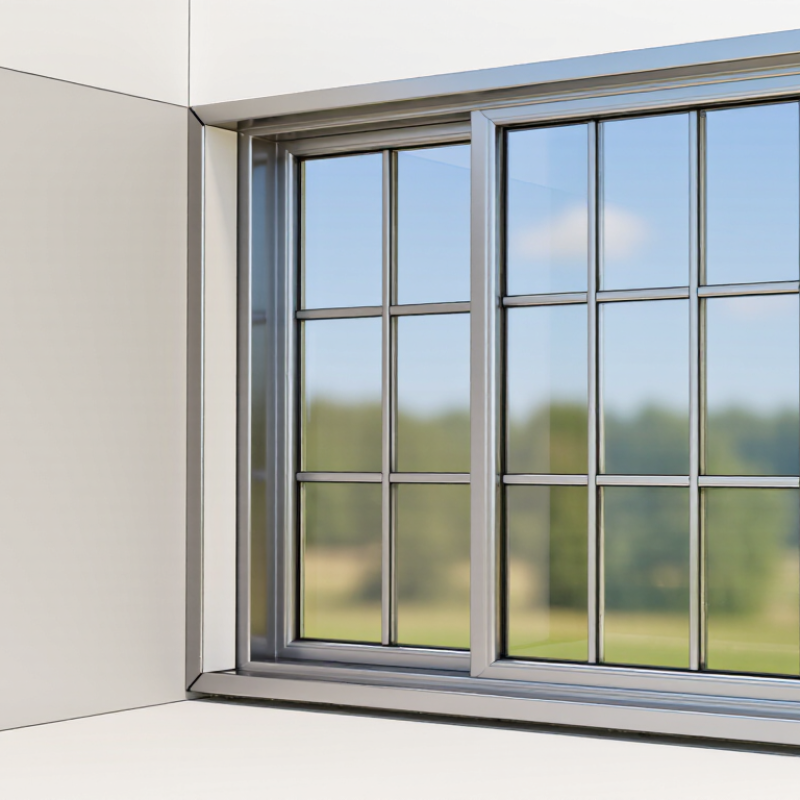
Aluminium Colonial windows combine slim metal frames with balanced grid patterns. Their muntins create the familiar divided-light appearance found in traditional homes. However, the grid may be decorative or structurally integrated. Confirm this detail before approving drawings.
Thermal performance deserves close attention. The International Energy Agency reported that buildings used about 30% of global final energy in 2022. Poorly specified windows can increase heating and cooling loads. Ask for tested whole-window U-factor, solar heat gain coefficient, air leakage, and water resistance. NFRC ratings are useful because they compare complete window assemblies, not glass alone. Aluminium conducts heat quickly, so thermal breaks and insulated frames matter. Small details matter.
The International Aluminium Institute states that recycled aluminium uses about 5% of the energy required for primary aluminium production. Request environmental product declarations and recycled-content information where sustainability is important. Check the coating system, drainage paths, gasket quality, and corner joints. A colonial grid can look elegant, yet it may reduce visible glass and daylight. I have seen attractive samples fail practical reviews because the sightlines felt heavy. That is worth reconsidering.
Tips: Compare two full-size samples in daylight. Review test reports, not catalogue claims. Match grid width to the opening size. Confirm local wind, water, and thermal requirements with a qualified building professional. Avoid choosing by appearance alone.
How to Choose Aluminium Colonial Windows for Your Project?
Choosing aluminium colonial windows starts with the building, not the catalogue. Assess room use, wall exposure, opening sizes, and daily ventilation needs. A kitchen facing afternoon sun needs different control than a shaded hallway. Coastal sites also demand careful attention to corrosion resistance and drainage.
Colonial styling often includes balanced panes, narrow sightlines, and strong geometric proportions. Match the window pattern with the building’s scale. Oversized grids can make a small façade look crowded. Very thin divisions may weaken the intended heritage character. I have seen attractive designs feel wrong after installation because the surrounding doors and trims were ignored. Draw the full elevation before approving the window layout.
Performance should be checked alongside appearance. Review thermal insulation, air leakage, water resistance, glass specification, and hardware durability. Ask for test evidence, not only general claims. Consider low-emissivity glass where solar gain or winter heat loss matters. Acoustic glass may help near traffic, but thicker glass can affect sash weight and hardware selection. Small details matter. Confirm sill slopes, frame joints, seals, and maintenance access. Aluminium is durable, yet poor installation can still create drafts or water entry. Local building requirements should guide safety glazing, ventilation, and thermal targets. I would also allow a modest contingency for site variation; masonry openings are rarely as exact as drawings suggest.
Assess glazing configuration, architectural style, and thermal performance before selecting an aluminium colonial window system.
The chart shows representative whole-window U-values for common glazing configurations. Lower U-values indicate better thermal insulation. Actual results depend on frame design, glazing area, spacer technology, installation quality, and local energy requirements. Confirm final values through the project supplier’s tested or calculated performance data.
For colonial-style windows, aluminium grade affects strength, machining, and surface quality. Most residential frames use 6063 aluminium because it extrudes cleanly and supports detailed profiles. It also creates sharp muntin lines, which suit traditional façades. For larger openings, 6061 may offer higher strength, but it can be less forgiving during fabrication. Ask for alloy certificates and tested structural data. Guesswork becomes expensive later.
Tips: Compare samples outdoors. A finish can look different under direct sunlight. Powder coating provides broad colour choice and good weather resistance. Anodising reveals the metal’s texture and may show scratches more clearly. Dark colours can absorb more heat, especially on sun-facing elevations. Thermal breaks can improve indoor comfort, but frame design and installation still matter.
Glass selection changes the window’s performance more than many buyers expect.
Double glazing with a low-emissivity coating can reduce heat transfer while preserving daylight. In noisy areas, laminated glass may soften traffic sounds and improve safety after breakage. However, glass weight affects hinges, hardware, and installation requirements. Check the complete window’s thermal and air-tightness results, not only the glass specification. I have seen attractive samples fail because drainage details were overlooked. A careful review of corner joints, gaskets, and drainage paths is worthwhile.
Accurate measurements should guide every window decision. Measure each opening at the top, middle, and bottom. Record the narrowest width and height. Check both diagonals for squareness. Also measure the wall depth, sill condition, and internal reveal. A small difference can affect the frame size, reveal lines, and opening operation. Do not rely only on old drawings. A tidy drawing can still hide a badly settled wall.
Installation requirements need equal attention. Confirm whether the opening needs repairs before delivery. The surrounding masonry must support the fixing points without cracking. Leave suitable space for packers, movement, insulation, and perimeter sealing. Flashing and drainage paths should direct water away from the wall. Colonial glazing bars may change sightlines, so review the window elevation before manufacture. On site, an experienced installer should check plumb, level, frame movement, and sash clearance. I have seen a perfect-looking frame bind because the sill was slightly uneven.
Tips: Ask your installer for a written survey report. Check opening sizes against the final drawings. Confirm glass safety areas, ventilation, escape openings, thermal performance, and wind-load requirements with the relevant local authority or building professional. Rules vary by location and property type. Heritage areas may require additional approval. Never assume a replacement window meets current regulations because the previous one did. Record photographs before installation. They can reveal overlooked damp, cracked mortar, or hidden cables.
How to Choose Aluminium Colonial Windows for Your Project?
Supplier quality often determines more than the window’s appearance. Request section drawings, finish specifications, and performance data before comparing prices. A reliable supplier should explain frame thickness, thermal breaks, glass options, drainage paths, and installation tolerances. Ask for recent project references. Photos alone can hide poor sealing.
Costs include more than the quoted frame price. Measure delivery, glazing, hardware, installation, maintenance, and possible repair access. A slightly higher initial cost may provide stronger hinges, better gaskets, and improved thermal performance. Check the warranty carefully. Confirm what it covers, how long it lasts, and who handles service. I have seen attractive quotations become expensive after missing trims and difficult site adjustments. That mistake is easy to repeat.
Tips: Compare identical specifications, not just window sizes. Inspect a sample corner and operate the locks several times. Choose a durable powder-coated finish suited to your climate. Clean frames with mild soap and water, especially near salt air. Keep drainage openings clear. Schedule inspections after severe weather. Small faults can grow. Colonial-style grids also require careful alignment, because uneven spacing becomes obvious across a long façade. Before approving production, review opening directions, sill heights, and hardware positions with the installer. This extra check may feel slow, but replacing finished windows is far more disruptive.
| Evaluation area | What to compare | Practical benchmark or cost impact | Long-term value consideration |
|---|---|---|---|
| Supplier documentation | Request product specifications, installation instructions, finish details, warranty terms, and evidence of applicable testing. | Compare equivalent window sizes, opening styles, glass types, and hardware—not headline prices alone. | Clear documentation makes it easier to verify performance, maintain the windows, and resolve warranty issues. |
| Thermal performance | Check the whole-window U-factor and solar heat gain coefficient (SHGC) for the specified frame and glazing combination. | Values depend on the complete window assembly, glass, frame, and test method. Compare ratings from the same system where possible. | Thermally improved frames and suitable glazing can reduce heat transfer; the best specification depends on climate and building design. |
| Weather performance | Ask for air leakage, water penetration, and structural performance results relevant to the project’s location and exposure. | Do not assume one rating suits every building. Wind exposure, building height, and local code requirements affect the specification. | Appropriate performance and correct installation help reduce drafts and water-intrusion risks. |
| Colonial grid design | Confirm grid pattern, bar dimensions, finish, and whether bars are applied to the glass, placed between panes, or are part of the glazing system. | More complex patterns and custom layouts can add fabrication cost and may affect cleaning or glass replacement. | Choose a design that meets the desired appearance while keeping future cleaning and repair practical. |
| Opening style and hardware | Compare fixed, casement, awning, and sliding configurations, including locks, hinges, rollers, and insect-screen options. | Operable windows generally involve more hardware than fixed units; the number and type of openings influence the quote. | Durable, replaceable hardware can extend serviceability. Confirm that replacement parts will be available. |
| Glazing and safety | Specify single or insulating glass units, low-emissivity coatings, laminated or toughened glass where required, and safety glazing locations. | Additional panes, coatings, and safety glass usually increase initial cost. Requirements vary by climate, building use, and local regulations. | Choose glazing for the project’s energy, comfort, noise, and safety needs rather than selecting on price alone. |
| Installed cost | Compare itemized quotes for frames, glass, colonial bars, hardware, delivery, removal of old windows, installation, and finishing work. | There is no reliable universal price: dimensions, quantity, access, local labor rates, specification, and site conditions all affect cost. | A complete installed quote helps avoid comparing a supply-only price with a fully installed package. |
| Finish and corrosion exposure | Ask for the coating or anodizing specification, care instructions, and suitability for the project’s environment. | Coastal or industrial exposure can require more careful finish selection and cleaning than sheltered inland conditions. | Aluminium forms a natural oxide layer, but suitable finishes and routine care help preserve appearance and protect exposed surfaces. |
| Routine maintenance | Follow the supplier’s care guide: clean frames and glass, clear drainage paths, inspect seals, and check moving hardware. | Cleaning frequency depends on pollution, salt exposure, weather, and the manufacturer’s instructions. Keep weep holes and tracks free of debris. | Regular inspection can identify blocked drainage, worn seals, or stiff hardware before they lead to larger problems. |
| Warranty and service | Read separate terms for frames, finishes, glass, hardware, and installation; check exclusions and claim procedures. | Coverage periods and conditions vary by supplier and product. Confirm what maintenance is required to keep coverage valid. | Accessible service and clearly defined responsibilities matter if adjustment, repair, or replacement is needed later. |
| Installation quality | Confirm who measures and installs the windows, how openings are sealed, and how the units are fixed and drained. | Installation scope should be stated in the quote. A well-rated product can underperform if incorrectly measured or installed. | Correct installation supports weather resistance, smooth operation, and the expected service life of the assembly. |
| Whole-life comparison | Compare the purchase and installation price with expected maintenance, energy performance, repairability, and replacement needs. | Use project-specific assumptions; energy savings and payback depend on climate, existing windows, energy prices, and building use. | The lowest initial quote is not necessarily the lowest-cost choice over time. Balance specification, workmanship, maintenance, and service support. |
