How to Choose the Best Paver Sand for Your Landscaping Projects in 2025
In the ever-evolving world of landscaping, selecting the right materials is crucial for the success of any project. Among the many components that can significantly influence the durability and aesthetic appeal of your outdoor spaces, paver sand stands out as a fundamental choice. As we approach 2025, it's essential for homeowners and landscaping professionals alike to stay informed about the various types of paver sand available and their specific applications. This article aims to guide you through the decision-making process, ensuring that you choose the best paver sand tailored to your unique landscaping needs.
Understanding the characteristics and benefits of different paver sands can vastly improve the quality of your hardscaping projects. Whether you're laying a patio, a driveway, or a pathway, the right type of paver sand not only enhances stability and longevity but also contributes to the overall aesthetics of the finished product. As we explore various options, it’s important to consider factors such as grain size, composition, and drainage capabilities. By meticulously evaluating these elements, you can make informed decisions that will lead to successful landscaping outcomes for years to come.
Understanding Different Types of Paver Sand Available in 2025
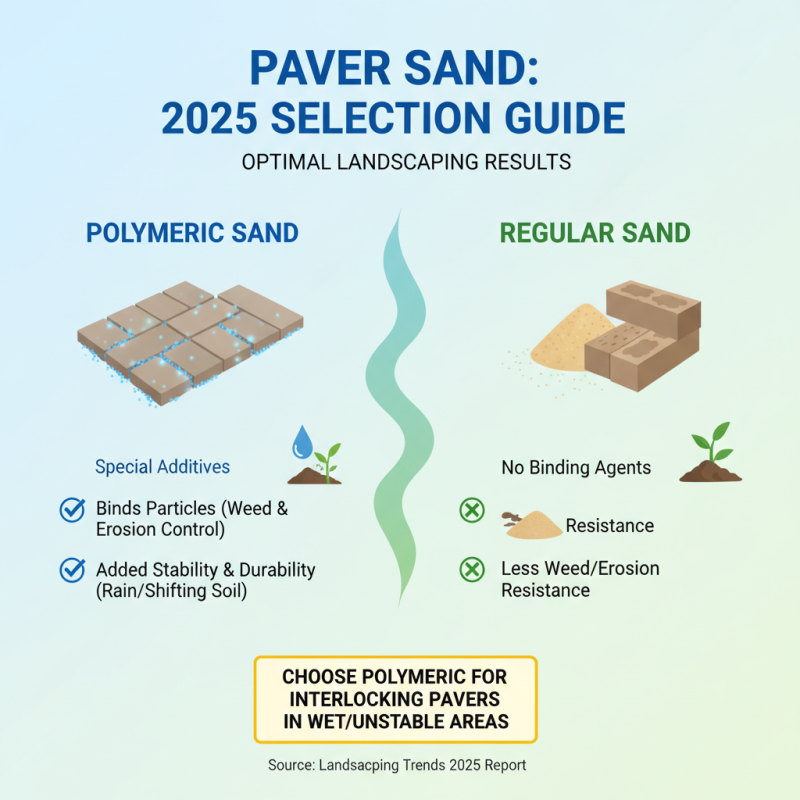
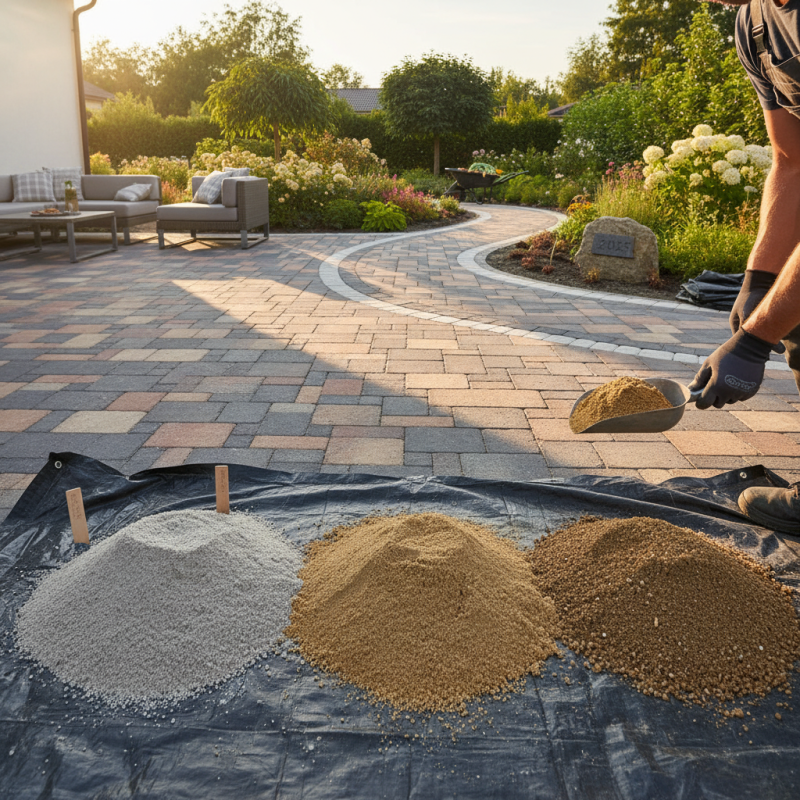
When selecting the best paver sand for landscaping projects in 2025, it's essential to understand the different types available to ensure optimal results. The two primary types of sand used for pavers are polymeric sand and regular sand. Polymeric sand is designed with special additives that help bind the particles together, reducing weed growth and preventing erosion. This type of sand is ideal for interlocking pavers, as it provides added stability and durability, especially in regions prone to rain and shifting soil.
Regular sand, on the other hand, is often used for setting base materials or filling joints in more traditional paving applications. While it can be easier to work with and generally more cost-effective, it lacks the binding properties of polymeric sand, which can lead to more frequent maintenance and repairs over time. Additionally, there are variations in color and texture among sands available in 2025, allowing homeowners and landscapers to choose options that complement their specific design aesthetics. Understanding the unique characteristics of these sands will help in making an informed decision tailored to the project's requirements.
Key Properties to Consider When Choosing Paver Sand
When selecting the best paver sand for landscaping projects, several key properties should be carefully considered to ensure a durable and attractive finish. First and foremost, grain size plays a crucial role in how well the sand will interlock with pavers. Coarse sand is often preferred as it provides better drainage and reduces the risk of erosion, while fine sand can create a smoother surface but may compact too tightly, leading to potential water retention issues.
Another important factor is the presence of additives in the sand. Some paver sands come with polymer additives designed to enhance stability and prevent shifting over time. This is particularly beneficial for high-traffic areas, as it helps maintain the integrity of the installation despite environmental factors like rain or temperature fluctuations. Moreover, it's essential to choose a sand that is free of impurities such as clay or silt, which can undermine the structural integrity of the paver installation. By focusing on these key properties, you can make a more informed choice in your quest for the ideal paver sand for your landscaping projects.
Comparison of Paver Sand Properties for Landscaping Projects in 2025
How Paver Sand Affects Drainage and Stability in Landscaping
When selecting paver sand for your landscaping projects, it's crucial to understand how it impacts drainage and stability.
The right sand not only provides a solid base for pavers but also allows for proper water management.
Poor drainage can lead to water pooling on surfaces, which may cause pavers to shift or settle unevenly.
Choosing a sand with ideal particle size and composition ensures that water flows through the gaps between the pavers effectively,
reducing the risk of structural issues over time.
In addition to drainage, the stability of the paver installation greatly depends on the type of sand used.
A coarser sand tends to interlock better and provides a strong foundation for the pavers, which is essential for maintaining their integrity under stress.
On the other hand, fine sand may wash away more easily during heavy rains, leading to instability.
Therefore, evaluating the sand's gradation and compaction characteristics is key to achieving longevity in your landscaping projects, allowing your outdoor spaces to be both beautiful and functional for years to come.
DIY Tips for Applying Paver Sand Effectively
When embarking on a landscaping project that involves pavers, choosing the right sand is crucial for long-lasting results. The application of paver sand not only aids in stabilization but also enhances the overall appearance of your outdoor space. According to a report from the Interlocking Concrete Pavement Institute, properly compacted paver installations can reduce maintenance needs and extend the lifespan of paving systems by over 20%. This makes the choice of paver sand a key factor in your project’s success.
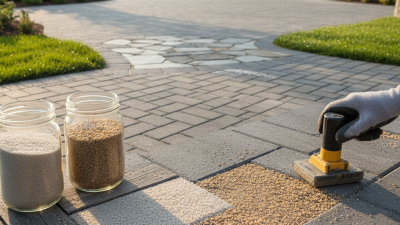
One effective DIY tip for applying paver sand is to ensure your base is thoroughly compacted before adding the sand layer. Use a plate compactor for optimal density, which significantly reduces the risk of settling. After laying the pavers, sweep the sand into the joints, ensuring it fills completely. Another important step is to lightly mist the joints with water to help the sand settle and lock into place. According to industry experts, this can improve joint stability by up to 30%, preventing weed growth and enhancing overall durability.
Additionally, be mindful of the grain size of the sand you choose. Coarser sand tends to provide better drainage and is less prone to compaction, making it a favorable choice for outdoor applications. Choosing the right texture not only impacts the visual appeal but also the resilience of the installation. A report by Landscape Architecture Magazine highlights that proper sand application techniques contribute significantly to the structural integrity of paver systems, ensuring your investment stands the test of time.
How to Choose the Best Paver Sand for Your Landscaping Projects in 2025
| Sand Type |
Ideal Uses |
Particle Size |
Pros |
Cons |
| Sharp Sand |
Base material and leveling |
1.0 to 2.0 mm |
Excellent drainage |
Can shift under pressure |
| Polymeric Sand |
Joint filling for pavers |
0.5 to 1.0 mm |
Prevents weed growth |
May require moisture for activation |
| Stone Dust |
Base layer under pavers |
Fine powder |
Good compaction |
Poor drainage |
| Masonry Sand |
Jointing for brick and stone |
0.5 to 2.0 mm |
Smooth finish |
Higher cost compared to others |
Sustainable Sourcing: Eco-Friendly Options for Paver Sand
When selecting paver sand for landscaping projects, the importance of sustainable sourcing cannot be overstated. Eco-friendly options are increasingly becoming a priority for both consumers and contractors. According to a report by the Sustainable Materials Management (SMM) program, the demand for environmentally responsible landscaping materials is expected to grow by over 20% by 2025. This shift reflects a broader trend towards reducing the ecological footprint of construction and landscaping practices.
Opting for recycled or locally sourced sand can significantly lessen environmental impact. For instance, using processed recycled materials can lead to a reduction in extraction activities, which are major contributors to habitat disruption and soil erosion. The Environmental Protection Agency (EPA) indicates that sourcing materials within a 100-mile radius can lower transportation emissions by up to 30%, making regionally sourced paver sand a smart choice for maintaining sustainability in landscaping projects. Additionally, many municipal waste management facilities are now providing high-quality, reclaimed sand options, which not only support local economies but also promote sustainable waste diversion practices. By prioritizing eco-friendly paver sand, landscape professionals can enhance their projects while contributing to a healthier planet.