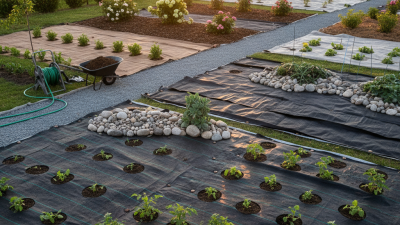
Why Choose the Best Garden Weed Barrier for Your Needs?
Selecting the right garden weed barrier is essential for maintaining a healthy garden. A garden weed barrier helps prevent unwanted plants from obstructing your desired growth. It saves time and effort in maintaining your garden. However, understanding the various options can be overwhelming.
With so many choices, it is crucial to discern which garden weed barrier suits your specific needs. Different materials, thicknesses, and permeabilities offer unique benefits. For instance, some barriers allow water and nutrients to penetrate, while others provide a more impermeable shield against weeds. Knowing these details can significantly affect your gardening success.
Choosing a garden weed barrier is not just about blocking weeds. It involves considering your garden's unique ecosystem and your long-term gardening goals. A wrong choice may lead to persistent weed issues or hinder plant growth. Take the time to evaluate your options carefully. This understanding can lead you to a more fruitful and enjoyable gardening experience.
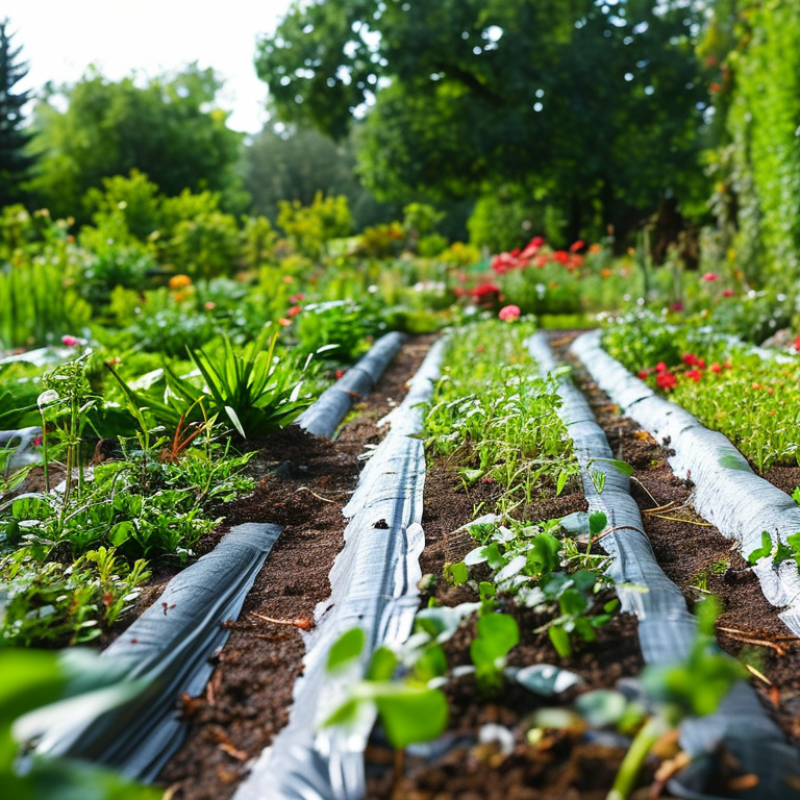
Understanding Garden Weed Barriers and Their Importance
Weed barriers play a crucial role in maintaining healthy gardens. They prevent unwanted plants from competing for nutrients, water, and sunlight. According to a report by the National Gardening Association, utilizing a weed barrier can reduce weeding time by up to 80%. This allows gardeners to focus on nurturing their plants instead of battling weeds.
The effectiveness of weed barriers varies based on material choice and installation techniques. Fabrics made from polypropylene and woven materials have become popular due to their durability and permeability. When selecting a barrier, it’s vital to consider soil type and climate, which influence its performance. Some gardeners report frustrations with barrier degradation over time, complicating the decision on when to replace them.
Understanding the nuances of garden weed barriers can be overwhelming. While some barriers may struggle with weed growth in certain conditions, others prove highly efficient. Testing different options in your specific environment can yield better results. Rather than finding a one-size-fits-all solution, experimenting with various types can refine your strategy for a thriving garden.
Types of Weed Barriers: Options for Every Garden
When selecting a weed barrier for your garden, it's essential to understand the variety of options available.
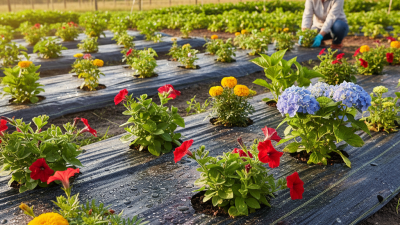
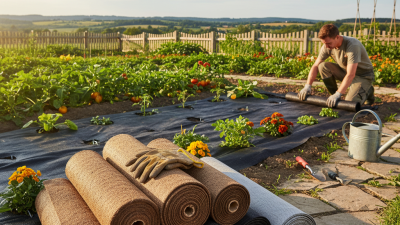
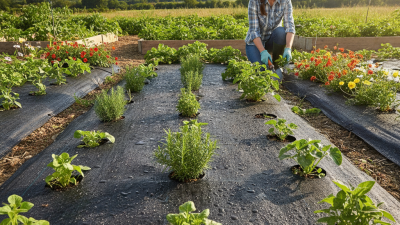
Landscape fabric is a popular choice. It allows water and nutrients to reach the soil while blocking sunlight.
This method is efficient but can degrade over time, requiring replacement. For gardeners wanting more durability,
plastic sheeting provides a strong defense. However, it can restrict water flow, so drainage must be considered.
Organic mulch serves a different purpose. It improves soil quality as it decomposes while preventing weeds.
Options like wood chips or straw can add aesthetic value. Many gardeners appreciate this dual benefit, but it requires
regular maintenance to keep it effective. Some barriers are biodegradable, providing a temporary solution.
They break down naturally, which is an eco-friendly choice.
Each type of weed barrier has its pros and cons. Understanding these can help you make a more informed choice.
Experimenting with different options may yield surprise benefits or challenges. Reflecting on what worked or didn’t
can lead to better decisions in future gardening seasons.
Factors to Consider When Choosing a Weed Barrier
When selecting a garden weed barrier, consider the material. Fabric barriers provide excellent durability, while plastic options can be less expensive. Test different materials to find the one that suits your garden's specific needs. Also, think about the barrier's permeability. Some allow water and nutrients to pass through, while others do not. It’s crucial to choose wisely.
Installation is another factor. A barrier that’s easy to lay down saves time and effort. Measure your garden space accurately, ensuring you have enough material. Remember, the barrier should extend a few inches beyond your plants to prevent weeds from creeping in. Take care with the edges. Uneven edges can result in gaps.
Consider your local climate. Factors such as rainfall and heat can affect the effectiveness of your barrier. In wet climates, moisture retention could lead to mold. In contrast, arid regions might require a barrier that conserves soil moisture. Experiment with different barriers and monitor their performance over time. Gardening is a learning process that requires adjustments based on observation and results.
Benefits of Using High-Quality Weed Barriers
Selecting a high-quality weed barrier is essential for effective garden management. These barriers provide several benefits that can enhance your gardening experience. First, they significantly reduce weed growth. With fewer weeds, your plants can access more nutrients, water, and sunlight. This leads to healthier, more robust plants.
Another key advantage is moisture retention. A reliable weed barrier keeps soil moisture in check. This means less frequent watering, which saves time and resources. Additionally, high-quality materials can prevent soil erosion. This is particularly important in areas with heavy rainfall. However, not all barriers are created equal. Some may deteriorate quickly under harsh conditions. Reflecting on your choices helps ensure long-lasting results.
High-quality weed barriers also offer protection from pests. Certain designs can deter unwanted insects from entering your garden. Yet, it's important to assess which barriers suit your specific environment. Remember, every garden has unique needs. While the right barrier can significantly improve your gardening efforts, choosing one that is unsuitable may create more problems than it solves. Taking the time to evaluate your options is crucial for long-term success.
Benefits of Using High-Quality Weed Barriers
Common Misconceptions About Weed Barriers in Gardening
Many gardeners hold misconceptions about weed barriers. One common belief is that they will completely eliminate weeds. In reality, no barrier is flawless or infallible. Most products reduce weed growth but may not stop it entirely. Understanding this limits unrealistic expectations.
Another misconception is that all weed barriers are the same. Different materials, such as fabric or plastic, have unique benefits and drawbacks. Fabric barriers allow air and water through but might degrade over time. Plastic options are durable but can trap moisture, which may lead to root rot. Choosing wisely based on individual needs is key.
Some also think that once installed, weed barriers require no maintenance. This is not true. Regular checks are essential to ensure effectiveness. Pulling out any stubborn weeds that manage to grow helps maintain a healthy garden. Rather than viewing barriers as a set-and-forget solution, approach them as one part of an ongoing garden care routine.
Why Choose the Best Garden Weed Barrier for Your Needs? - Common Misconceptions About Weed Barriers in Gardening
| Weed Barrier Type |
Material |
Durability (Years) |
Water Permeability |
Common Misconception |
| Fabric Weed Barrier |
Polypropylene |
5-10 |
High |
Not effective against all weeds |
| Plastic Mulch |
Polyethylene |
1-2 |
Low |
Hinders soil health |
| Geotextile Barrier |
Polyester |
10-20 |
Moderate |
Only for commercial use |
| Biodegradable Barrier |
Natural fibers |
1-3 |
High |
Too weak for long-term use |
| Cardboard or Newspaper |
Recycled paper |
Less than 1 |
Moderate |
Not a viable solution |