
For global buyers, choosing a Gas Tank Cap supplier involves more than comparing prices. This small component helps protect the fuel system from dirt, moisture, and fuel loss. A cap that fits poorly can create installation problems, customer complaints, and extra costs. Details matter.
This guide introduces ten China-based suppliers for buyers assessing sourcing options. It considers practical factors such as product range, material choices, customization, quality controls, communication, and export experience. These points can help narrow a search, but a supplier list is not a substitute for direct evaluation. “Top 10” should be treated as a starting point, not a universal ranking. Capabilities and product specifications can change, and available public information may not tell the whole story.
Use the profiles to prepare better questions. Ask for current drawings, fitment details, material information, inspection procedures, and sample availability. Confirm packaging, lead times, and how the supplier handles design changes. A sample can reveal fit or finish issues that a catalog photo cannot. Small differences matter.
Buyers should also compare each cap against the vehicle or equipment requirements for their intended market. Do not assume that one design suits every application. Some supplier details may need independent confirmation, and that is worth acknowledging. Careful checks, clear specifications, and responsive communication make the shortlist more useful—and the final choice more dependable.
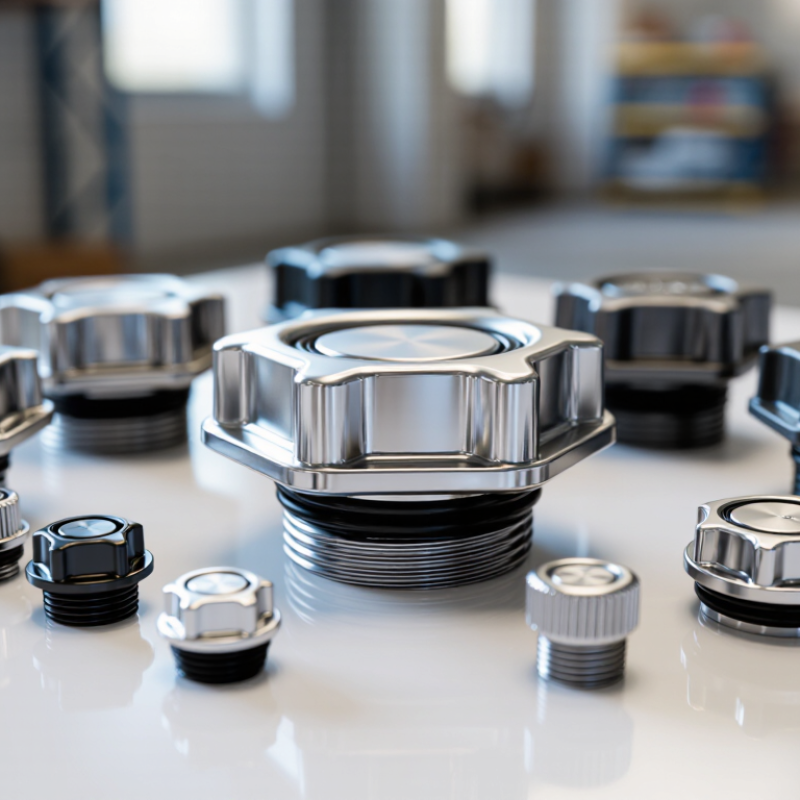
A gas tank cap is a small seal with a demanding job. It closes the filler neck, limits fuel-vapor escape, and helps the tank maintain its designed pressure and vacuum. On many vehicles, the cap also supports the evaporative-emissions system, which routes vapors to a charcoal canister instead of releasing them directly. A loose or damaged seal can trigger a warning light. Sometimes the cause is only a hardened gasket. Small part. Important job.
The U.S. Environmental Protection Agency’s OBD II requirements use a 0.020-inch leak benchmark for applicable vehicle systems, illustrating how closely fuel-system sealing is monitored. The EPA’s Tier 3 Motor Vehicle Emission and Fuel Standards rule also addresses evaporative emissions, including vapors from fuel systems. For buyers, useful checks include gasket flexibility, secure thread engagement, and consistent sealing after repeated opening. These details matter in daily use: dust on the filler neck, a cross-threaded cap, or a brittle seal can undermine performance. Supplier specifications should state material, pressure-rating, and validation-test details. I would still ask how tests reflect heat, vibration, and years of handling; a neat lab result cannot answer every field question.
Gas tank caps help seal the fuel system and support evaporative-emissions control. This chart compares the maximum ethanol content indicated by common E5, E10, and E15 gasoline blend labels. Cap compatibility depends on the vehicle and fuel-system specifications, not on the blend label alone.
Chinese suppliers commonly produce several gas tank cap types: standard screw-on caps, tethered caps, locking caps, pressure-and-vacuum relief caps, and capless filler assemblies. A screw-on cap uses a molded seal against the filler neck; a poor fit can invite fuel vapor leakage or trigger a dashboard warning.
Small part. Big consequences.
Design choices depend on the vehicle and filler system. Some caps include valves to manage pressure and vacuum, while locking versions add a key-operated mechanism. Tethered designs help prevent the cap from being misplaced during refueling. Capless systems use an internal flap instead of a removable cap, so they require a matching filler-neck design.
Suppliers should confirm dimensions, seal material, valve behavior, and test conditions with buyers before sampling.
Demand is broad, but not universal. OICA reported 93.5 million motor vehicles produced worldwide in 2023, while the IEA reported nearly 14 million electric-car sales that year.
Battery-electric vehicles do not use fuel tank caps; hybrids still may. That distinction matters when comparing supplier catalogs.
One limitation: product names are not always consistent, so buyers should verify drawings and test results rather than rely on labels alone.
China’s automotive scale offers buyers a broad supplier base, but production volume alone cannot verify component quality. The China Association of Automobile Manufacturers reported 31.28 million vehicles produced and 5.86 million exported in 2024. These figures show manufacturing capacity, not any individual supplier’s performance. Ask for product-specific evidence. Review drawings, material specifications, dimensional inspection records, and documented leak-test results. A cap should fit the intended filler neck and maintain a reliable seal through repeated opening and closing.
Assess the factory’s process controls, not just its sales presentation. Check how it traces resin or metal batches, records production changes, and handles rejected parts. Request samples from a normal production run, then compare dimensions and sealing behavior against your own requirements. Verify quality certificates with the issuing body and confirm their scope covers the relevant production site. Small details matter. A polished sample may not represent routine output, and an audit can miss problems between visits. That uncertainty deserves attention.
Tips: Send a clear specification and test method before requesting quotations. Ask for recent inspection records and a written change-notification process. Compare lead times, packaging, and after-sales response alongside price. Ask for evidence.
China’s top 10 gas tank cap suppliers for global buyers should be compared by engineering depth, production consistency, and fitment support—not price alone. A capable supplier can explain how its cap seals against the filler neck and how materials handle heat, vibration, and fuel exposure. Ask for drawings, dimensional tolerances, and test records. Small details matter.
Look for manufacturers with in-house molding or metal-forming experience, dependable sealing-component sourcing, and clear inspection procedures. A sample should fit smoothly, close securely, and show no rough edges or uneven gaps. Request evidence of pressure, leakage, and durability testing, along with batch traceability. A polished sample is not enough. Production quality can vary.
Communication deserves the same scrutiny as the product. Confirm minimum order quantities, tooling ownership, lead times, packaging, and how engineering changes are managed. The “top 10” label is only a starting point; rankings may not reflect your vehicle type or market needs. This checklist is useful, but imperfect. Buyers should compare the same specifications across suppliers and verify claims before committing to large orders.
This table is a buyer-focused comparison framework, not a verified ranking of named companies. Confirm supplier-specific capabilities, certifications, and compliance directly before purchasing.
| No. | Supplier Evaluation Area | What Global Buyers Should Verify | Why It Matters | Useful Evidence to Request |
|---|---|---|---|---|
| 1 | Product and application fit | Compatibility with the vehicle or equipment fuel-filler neck, closure design, and intended fuel system. | Gas caps are not universally interchangeable; fit and sealing features depend on the application. | Part drawings, interface dimensions, application list, and sample-fit results. |
| 2 | Sealing performance | The supplier’s specified leak-test method, acceptance criteria, and test conditions for the cap assembly. | A reliable seal helps limit fuel-vapor escape and supports correct fuel-system operation. | Test procedures, sample reports, and documented pass/fail criteria. |
| 3 | Materials and fuel compatibility | Material specifications for the housing, seals, and other components, including compatibility with the intended fuel and operating environment. | Material choice can affect durability, sealing, and resistance to heat and chemical exposure. | Material declarations, relevant test data, and change-control records. |
| 4 | Pressure and vacuum functions | Whether the design includes pressure or vacuum relief, and the specified operating limits for the target application. | Some fuel-cap designs incorporate relief functions; requirements vary by vehicle and fuel-system design. | Design specifications and test results for the relevant valve functions, if fitted. |
| 5 | Quality management system | Current certification status and the scope of the supplier’s quality management system. | IATF 16949 is an automotive-sector quality management standard; ISO 9001 is a general quality management standard. Certification should be independently confirmed. | Valid certificates, issuing-body details, scope, and latest audit status. |
| 6 | Regulatory and market requirements | Applicable requirements for the destination market, vehicle category, and complete fuel-system application. | Fuel-system and evaporative-emissions rules differ by jurisdiction; a supplier’s general compliance claim does not establish approval for every application. | Market-specific compliance documentation and written confirmation of the product’s intended scope. |
| 7 | Validation and durability testing | Testing relevant to the design, such as cycle, temperature, vibration, corrosion, or environmental exposure testing. | The appropriate validation plan depends on the application and customer requirements. | Validation plan, test reports, sample size, and acceptance criteria. |
| 8 | Traceability and change control | How production lots, materials, and revisions are identified and how product or process changes are approved. | Traceability supports investigation of quality issues and control of approved specifications. | Lot-coding examples, change-notification procedure, and sample inspection records. |
| 9 | Sampling and production readiness | Prototype availability, pre-production approval process, inspection plan, and capacity commitment for the buyer’s forecast. | A successful sample alone does not confirm that ongoing production will maintain the approved specification. | Sample approval records, control plan, production-capacity statement, and quality metrics. |
| 10 | Export and commercial readiness | Export documentation, packaging suitability, agreed delivery terms, lead-time assumptions, and after-sales handling. | Clear logistics and commercial terms help reduce delivery delays and misunderstandings in cross-border orders. | Quotation, packaging specification, shipping documents, and written terms for warranty and claims. |
A gas tank cap supplier should be assessed on product consistency, not just price. Check whether the cap matches the intended vehicle fitment and sealing requirements. Ask for dimensional inspection records, material specifications, and test results for seals and opening cycles. A sample can reveal rough threads, uneven gasket seating, or a cap that takes too much force to close. Small details affect daily use. Details matter.
Quality documents are useful when their scope is clear. Confirm that certificates are current and apply to the factory, product, or process being offered. Request traceability information for key materials and ask how rejected parts are handled. A supplier’s responses should be specific and supported by records. If answers remain vague, that is a reason to investigate further. Paperwork alone does not prove every production batch is consistent.
Export service also deserves close comparison. Ask about protective packaging, carton markings, lead times, sample shipping, and which export documents the supplier can provide. Clarify who checks quantities and product codes before dispatch. Reliable communication helps buyers manage delays, but delivery estimates can still change. It is worth testing the process with a small order; that may add time, yet it can expose gaps before a larger shipment.
