
China Top 10 Air Tube Fittings Manufacturers?
China Top 10 Air Tube Fittings Manufacturers? This question deserves more than a simple supplier list. Air Tube Fittings may look small, but they control sealing, airflow, installation speed, and maintenance risk. A loose connection can hiss beside a robotic arm. A cracked tube can interrupt an entire production shift.
This guide examines ten Chinese manufacturers through practical purchasing criteria. These criteria include material quality, pressure ratings, dimensional consistency, thread accuracy, sealing performance, and production capacity. It also considers certifications, inspection procedures, customization ability, delivery reliability, and after-sales support. Different factories may specialize in push-in fittings, stainless steel connectors, brass fittings, or compact pneumatic designs. That difference matters.
S. R. Majumdar, author of Pneumatic Systems: Principles and Maintenance, emphasized a useful principle: “The reliability of a pneumatic system depends on the reliability of each component.” This idea applies directly to Air Tube Fittings selection. A competitive price means little if the fitting leaks after repeated vibration or temperature changes.
The ranking is not absolute. Public information is sometimes incomplete. Factory claims also require verification. Buyers should request samples, test reports, material certificates, and clear warranty terms before placing large orders. This article therefore combines visible market information with engineering judgment. Some evaluations may still need refinement. That is honest.
The goal is practical guidance. Readers can compare manufacturers more carefully, identify suitable suppliers, and reduce avoidable risks in pneumatic equipment projects.
What Are Air Tube Fittings and Why Are They Used?
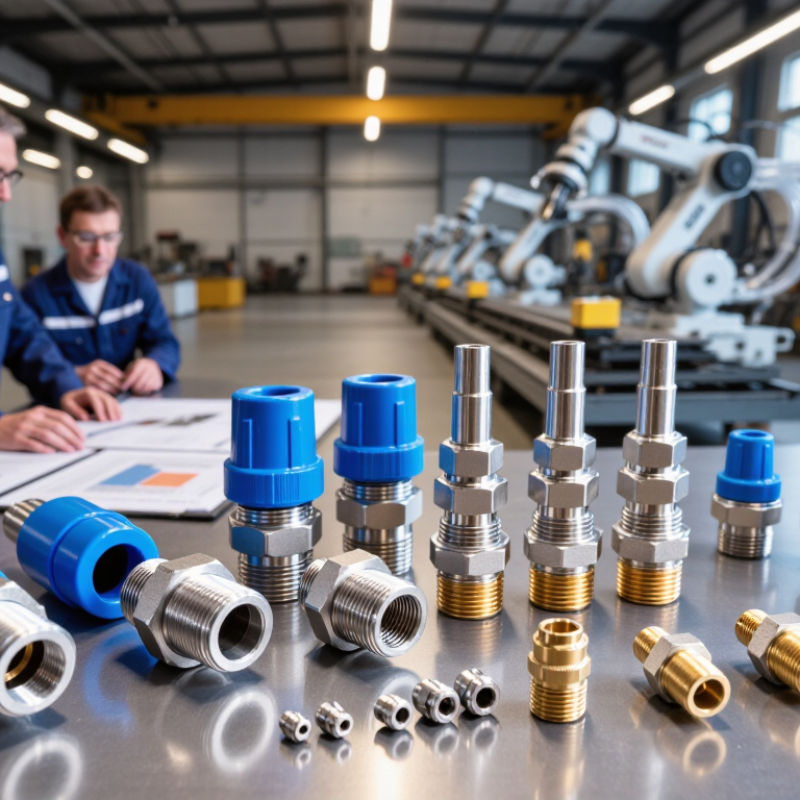
Air tube fittings are small connectors used in pneumatic systems. They join flexible tubing to valves, cylinders, gauges, and other air-driven equipment. Common types include straight connectors, elbows, tees, reducers, and bulkhead fittings. Their main purpose is to create a secure path for compressed air. A properly selected fitting can reduce leaks, pressure loss, and unexpected machine stops. In practical workshop use, even a tiny leak can create a noticeable hiss and weaken cylinder movement. The connection looks simple, but its reliability depends on accurate sizing and clean installation.
Tips: Match the fitting size with the tube’s outside diameter. Check the working pressure and temperature range. Cut tubing squarely, not at an angle. Push it fully into the fitting. Test the joint slowly. Do not trust a connection only because it feels tight.
Material selection also affects service life. Plastic fittings are lightweight and useful for many indoor applications. Metal fittings may suit higher temperatures, vibration, or demanding environments. Consider moisture, oil exposure, and repeated movement before choosing. One common mistake is focusing only on thread size. Thread type, sealing method, tube hardness, and installation space matter too. I have found that crowded layouts often cause bent tubes and premature wear. A small clearance can prevent that problem, although it is easy to overlook during fast assembly. Reliable manufacturers should provide clear specifications, inspection records, and traceable quality information.
China Top 10 Air Tube Fittings Manufacturers? - What Are Air Tube Fittings and Why Are They Used?
Air tube fittings are mechanical connectors used to join pneumatic tubing to valves, cylinders, regulators, manifolds, and other compressed-air components. The table below provides a neutral capability benchmark of ten common Chinese manufacturer profiles without displaying company names or brands.
| Rank | Manufacturer Profile | Primary Fitting Types | Common Materials | Typical Tube Sizes | Typical Working Pressure | Typical Applications |
|---|---|---|---|---|---|---|
| 1 | High-volume push-in fitting producer | Straight, elbow, tee, Y and bulkhead push-in fittings | Nickel-plated brass, POM, stainless-steel gripping parts | 4–16 mm OD; 1/8–1/2 in. tubing | Commonly up to about 10 bar, depending on design and temperature | Factory automation and general pneumatic control |
| 2 | Miniature pneumatic fitting producer | Mini push-in, compact elbow and panel-mount fittings | Brass, POM, nickel-plated brass | 2–8 mm OD | Commonly 6–10 bar, depending on tube and temperature | Compact machinery, sensors and laboratory equipment |
| 3 | Stainless-steel fitting specialist | Compression, push-in and threaded fittings | 304 or 316 stainless steel, engineering polymer seals | 4–12 mm OD; 1/8–1/2 in. ports | Often rated around 10–20 bar, subject to product construction | Corrosive, humid, marine and washdown environments |
| 4 | Brass compression fitting producer | Compression unions, elbows, tees and bulkhead fittings | Brass, nickel-plated brass, copper or polymer sealing rings | 4–12 mm OD; metric and fractional tubing | Commonly 10–25 bar, depending on tube material and size | Industrial air lines requiring strong mechanical retention |
| 5 | Low-pressure plastic fitting producer | Polymer push-in, barbed and quick-connect fittings | POM, nylon, polypropylene and elastomer seals | 4–12 mm OD | Commonly 4–10 bar, depending on polymer and temperature | Light-duty automation, instrumentation and air preparation |
| 6 | High-temperature sealing fitting producer | Threaded and compression fittings with high-temperature seals | Brass or stainless steel with FKM or other temperature-resistant seals | 4–12 mm OD; 1/8–1/2 in. ports | Pressure and temperature ratings vary; commonly up to 10–20 bar | Ovens, dryers, compressors and heated machinery |
| 7 | Food and beverage application specialist | Hygienic push-in, threaded and clean-design fittings | 316 stainless steel, approved polymers and food-contact seals | 4–12 mm OD; common hygienic port sizes | Typically selected within 6–10 bar pneumatic systems | Packaging, food processing and pharmaceutical equipment |
| 8 | Vacuum and pneumatic control fitting producer | Vacuum-rated push-in, check, throttle and flow-control fittings | Nickel-plated brass, POM, stainless steel and NBR seals | 4–10 mm OD | Positive-pressure and vacuum ratings depend on the component design | Pick-and-place systems, vacuum handling and control panels |
| 9 | Quick-disconnect fitting producer | Pneumatic plugs, sockets and automatic shut-off couplings | Steel, brass, aluminum, stainless steel and polymer seals | Commonly 6–12 mm tubing; multiple port standards | Often approximately 8–15 bar, depending on coupling series | Tool connections, maintenance lines and modular equipment |
| 10 | Custom OEM pneumatic fitting producer | Customized manifolds, special threads, tube adapters and assemblies | Brass, aluminum, stainless steel, POM and application-specific seals | Application-specific metric or imperial sizes | Defined by the approved design, materials and validation testing | OEM machinery, robotics, medical and specialized automation |
Why Air Tube Fittings Are Used
- They connect pneumatic tubing to valves, actuators, regulators and other air-system components.
- Push-in designs reduce installation time because tubing can be inserted without extensive tools.
- Threaded, compression and quick-disconnect designs support different pressure, maintenance and sealing requirements.
- Correctly matched fittings help reduce leakage, pressure loss and unplanned maintenance.
- Material selection allows use in general industrial, corrosive, hygienic and high-temperature environments.
Note: Working-pressure values are representative industry ranges rather than universal ratings. The actual permissible pressure depends on fitting geometry, thread type, tube material, seal material, temperature and the manufacturer's tested specifications.