Skip to content

How to Buy Crushed Granite for Your Project?

Buying crushed granite sounds simple until the material arrives too dusty, too coarse, or poorly matched to the project. A driveway, garden path, retaining wall, and drainage bed each require different stone sizes and qualities. The wrong grade can create ruts, puddles, unstable edges, or unnecessary replacement costs. Small details matter.

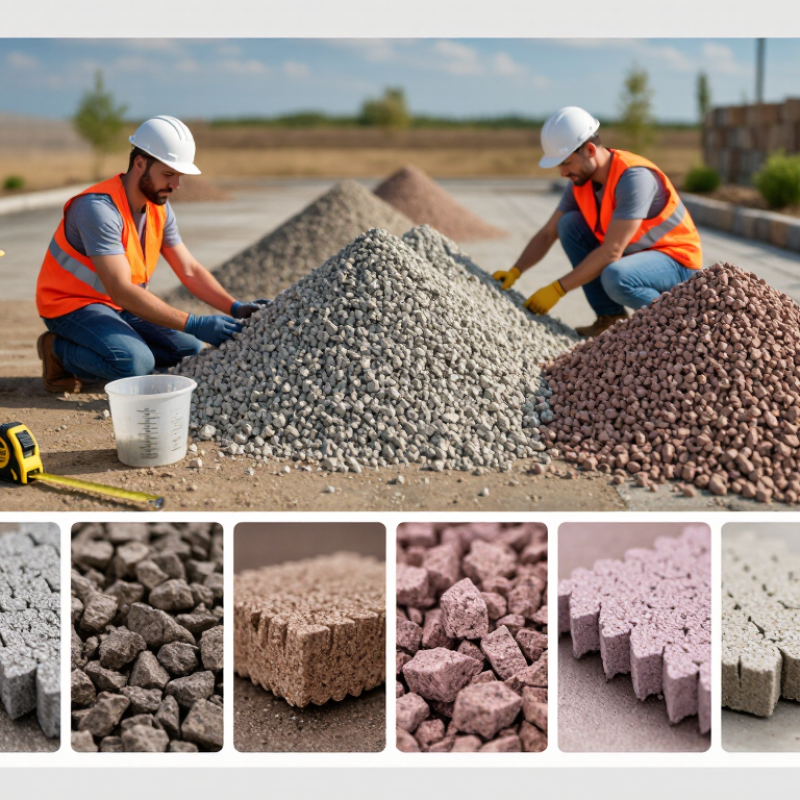
USGS mineral commodity specialist Jason Willett describes crushed stone as “a major basic raw material for construction, agriculture, and other industries.” That statement explains its importance, but it does not answer every buying question. This guide examines how to choose crushed granite by comparing particle size, color, strength, drainage performance, supplier reputation, and delivered cost. A sample in your hand often reveals more than a polished product photograph. Look for dusty fines, sharp edges, consistent sizing, and visible weathering. Ask whether the material is screened, washed, or blended with stone dust.

Quantity estimates also deserve caution. Online calculators can help, yet they may ignore slopes, compacted depth, and uneven ground. Measure carefully, then allow a practical margin for settlement and spillage. Too little material delays the work. Too much leaves an expensive pile beside the driveway. Imperfections are normal, and site conditions can defeat neat calculations.

Reliable purchasing means requesting a written specification, confirming delivery access, and checking local construction requirements. The cheapest crushed granite may not be the most economical choice. Performance, maintenance, and transport can change the final price significantly.
How to Buy Crushed Granite for Your Project?

Define Your Project’s Crushed Granite Requirements

How to Buy Crushed Granite for Your Project?

Define Your Project’s Crushed Granite Requirements

Before buying crushed granite, define how the material will function. A garden path needs stable footing and comfortable walking. A driveway needs stronger compaction and better resistance to tire pressure. Decorative borders may require a more consistent color and cleaner appearance.

Measure the project area carefully. Multiply length by width, then multiply by the planned depth. For example, a 20-foot path, 3 feet wide, and 4 inches deep needs about 20 cubic feet of material. Add a small allowance for settling and uneven ground. My first estimate was once too low because I ignored a sloped section. That mistake caused an extra delivery and delayed the work.

Check the stone size and fines before ordering. Smaller particles help the surface lock together, while larger pieces improve drainage. Ask for a sample when color matters, because photographs can look different outdoors. Confirm whether the supplier sells by weight or volume. Delivery access also matters. A loaded truck may not reach a narrow gate or soft lawn.

Tips

Measure twice.
Sketch the area.
Check drainage paths.
Ask about compaction.
Allow for waste.

If the project supports vehicles, confirm the recommended depth with a qualified local contractor. Soil conditions vary, and a standard estimate may not suit every site. Keep the final requirements written down before comparing prices.

How to Buy Crushed Granite for Your Project?

Define your project’s crushed granite requirements by identifying the application and selecting an appropriate compacted depth.

These planning ranges are commonly used for residential applications: walkways generally require 2–3 inches, patios 4–6 inches, and driveways 6–8 inches of compacted material. Calculate volume using length × width × depth, then consider ordering approximately 10–15% extra for compaction, grading, and installation waste. Confirm final specifications with local building requirements and the material supplier.

Choose the Right Granite Type, Size, and Color

How to Buy Crushed Granite for Your Project?

Choose the right granite type before comparing prices. Granite varies in mineral content, hardness, and weathering resistance. For driveways, angular granite usually compacts better than rounded gravel. For drainage, choose clean stone with minimal fines. The U.S. Geological Survey’s Mineral Commodity Summaries 2024 estimates that the United States produced about 1.9 billion metric tons of crushed stone in 2023. That scale shows why local testing matters; not every quarry produces the same material.

Size affects both performance and appearance. Fine screenings create a smoother surface and help fill small gaps. Larger pieces, such as 20–40 millimeter stone, provide stronger visual texture and better drainage. Ask for the product’s sieve analysis, rather than relying only on labels like “small” or “large.” The Federal Highway Administration identifies aggregate gradation as a major factor in stability, compaction, and water movement. Start with the use.

Color should support the surrounding landscape, not fight it. Gray granite often looks cooler and more formal, while pink, tan, or speckled stone can soften a garden path. Request a current sample because wet granite appears darker than dry granite. Color can deceive. Inspect the sample in morning and afternoon light, and check for dust, clay, or excessive flaky pieces. I once underestimated delivery variation; the second load looked slightly warmer. That small mismatch mattered more than expected, so confirm color and size in writing before ordering.

Compare Suppliers, Prices, and Material Quality

How to Buy Crushed Granite for Your Project?

Comparing suppliers starts with the delivered price, not the advertised price per ton. Ask whether loading, transport, taxes, and minimum quantities are included. A low quote can become expensive after a long delivery route. Request prices for the same quantity and delivery conditions. Otherwise, the comparison is misleading.

Material quality deserves equal attention. Ask about particle size, granite source, moisture, and the amount of dust or soft rock. For driveways, angular pieces usually lock together better than rounded gravel. For drainage, excessive fines may slow water movement. Request a recent gradation report or product sample when possible. Check the sample in daylight. Color can change after the material becomes wet.

During one small driveway project, I focused too heavily on price and underestimated delivery timing. The truck arrived late, and rain softened the prepared base. That mistake added labor and left uneven areas. Now, I confirm delivery windows, replacement policies, and stock levels in writing. I also compare supplier communication. Clear answers often indicate better process control, though they do not prove perfect material. Inspect the load before placement, because descriptions can be incomplete. A simple bucket test can reveal excess dust. Keep the invoice, test information, and agreed specifications for your records.

Calculate the Quantity and Delivery Needs

How to Buy Crushed Granite for Your Project?

Calculate the Quantity and Delivery Needs

Measure the project area before requesting a crushed granite quote. Record the length and width in feet. Measure the planned depth in inches. Convert depth to feet by dividing it by twelve. Then multiply length, width, and depth. Divide the result by 27 to find cubic yards.

For example, a 24-by-10-foot path with three inches of granite needs about 2.22 cubic yards. Add 5% to 10% for uneven ground, trimming, and minor mistakes. My first estimate was too neat.

The required quantity may change after excavation. Soft soil can absorb material during installation. Compaction also reduces the visible depth. Ask the supplier whether the material is sold by cubic yard, ton, or truckload. Weight varies with moisture and stone grading. Do not assume one conversion fits every quarry. Request the estimated weight for your exact material.

Delivery planning deserves equal attention. Confirm the truck’s arrival window and minimum order. Check whether the driveway can support a loaded truck. Measure gates, low branches, and narrow turns. Mark the unloading area with stakes or bright paint. Keep it away from drains and finished surfaces. Wet weather can create deep ruts. A dry, firm surface is safer. Tell the driver where the pile should sit, because moving granite twice costs time and labor. Leave room for equipment and protect nearby walls. Recheck the calculation before payment. Mistakes happen.

Inspect, Order, and Prepare for Installation

How to Buy Crushed Granite for Your Project?

Inspect the material before placing an order. Ask for the stone’s size range, color variation, and intended use. A reliable supplier should explain whether the granite is clean, dusty, or mixed with fines. Look at a sample in daylight. Wet stone can appear darker than it will after drying. Check for clay lumps, excessive dust, and sharp oversized pieces. These details affect drainage, appearance, and compaction.

Measure the project area carefully, then multiply length by width and depth. Add extra material for settling, uneven ground, and small calculation errors. Ten percent is often practical, but steep slopes may require more. Request a written quote showing the stone type, quantity, delivery fee, and unloading method. Confirm truck access before ordering. Narrow gates and soft soil can create expensive problems. I once underestimated driveway clearance, and the delivery plan had to change. That mistake was avoidable.

Prepare the installation area before the truck arrives. Remove roots, grass, and loose soil. Mark the finished height with stakes and string. Improve drainage where water collects. Compact the subgrade in thin layers, rather than pressing everything at once. For paths or driveways, install a stable base before spreading the granite. Keep the delivery pile on a tarp if rain is expected. Do not spread wet material too deeply. It may compact unevenly and hide weak spots. Check the surface again after the first rain. Small corrections then can prevent larger repairs later.