How to Build a Retaining Wall Effectively in 2026?
Building a retaining wall can be a rewarding project. It provides support and enhances the beauty of your landscape. In 2026, the methods for constructing a retaining wall have evolved, making it easier than ever.
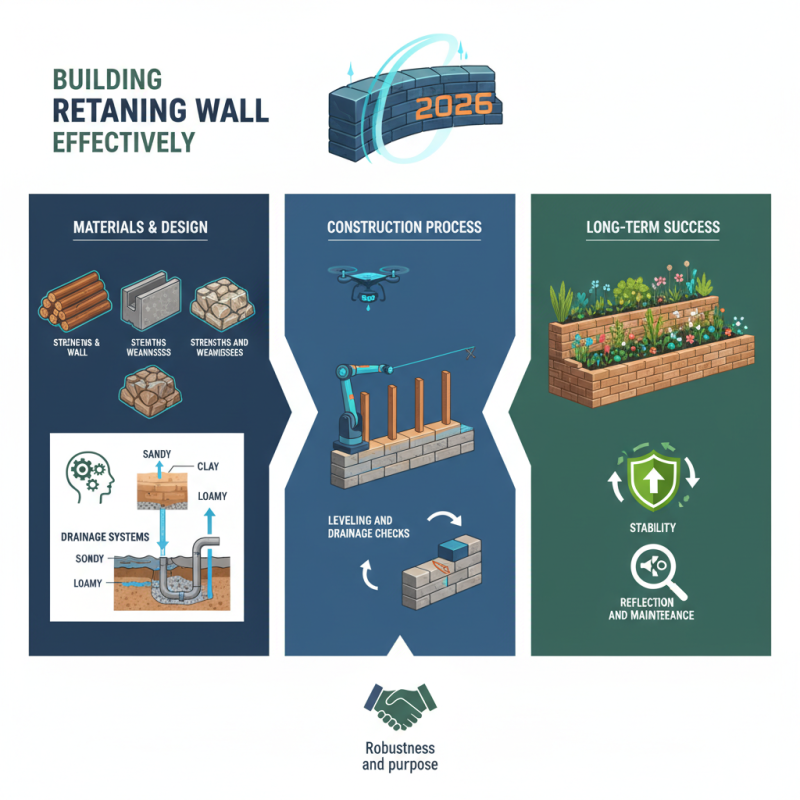
To achieve effective results, you must consider several factors. Choosing the right materials is essential. Options like timber, concrete, or stone each have their own strengths and weaknesses. The design needs to accommodate soil type and drainage. These specifics can impact the wall’s stability.
While constructing your retaining wall, mistakes can happen. Maybe the wall isn’t level, or the drainage isn’t sufficient. These errors can lead to bigger issues down the line. You may need to reflect on your methods and make adjustments. Embracing the challenge can lead to a more robust retaining wall that serves its purpose. The process is as important as the final product.
Understanding the Basics of Retaining Wall Design in 2026
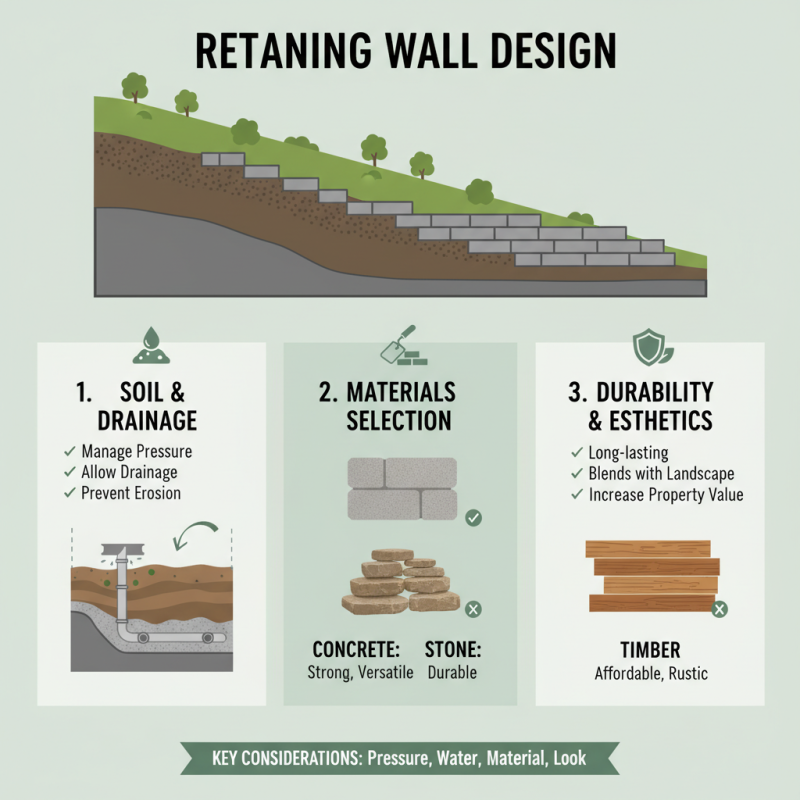
Building a retaining wall requires careful consideration of design elements. The wall must effectively manage soil pressure and water drainage. Selecting the right materials can significantly influence durability and aesthetics. Common materials include concrete, stone, and timber. Each option has its pros and cons that need evaluation before making a final decision.
Hydraulic properties are vital in the design process. Proper drainage behind the wall can prevent water buildup. A simple perforated pipe can be helpful, yet it requires a well-thought-out installation. Without this, even a well-built wall could fail under pressure. It’s crucial to consider the soil type and moisture levels in the area.
One aspect many overlook is the wall's height. Taller walls can pose stability issues and require additional engineering. This complexity might demand reevaluating initial designs. Many DIY builders underestimate the importance of these factors. Always seek guidance if unclear. Taking time to assess these details can lead to a successful project.
Choosing the Right Materials for Your Retaining Wall Construction
Choosing the right materials for your retaining wall construction is crucial. In 2021, the global retaining wall market was valued at approximately $2.5 billion and is projected to grow by 5% annually. This growth reflects the increasing demand for durable and efficient construction materials. Common options include concrete blocks, timber, and stone. Each material has unique benefits and limitations.
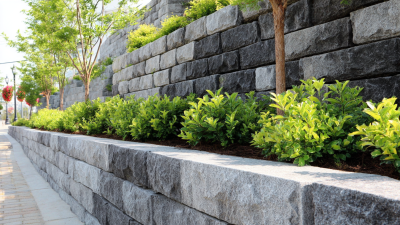
Concrete blocks are versatile. They withstand heavy loads well, making them ideal for steep terrains. However, they require proper drainage to prevent water buildup. Timber, while aesthetically pleasing, tends to rot or warp over time. It’s a good choice for low walls, but consistent maintenance is necessary. Natural stone offers a beautiful look with unmatched longevity, but it can be more expensive.
Tips: Always consider soil type before material selection. Sandy soil may necessitate sturdier options. Installing drainage systems helps prevent pressure from hydrostatic force. Assess local climate conditions too. Extreme weather may impact longevity. Remember, choices can lead to necessary re-evaluations. A well-planned wall today can prevent costly repairs tomorrow. Think ahead.
Step-by-Step Guide to Excavation and Site Preparation
When constructing a retaining wall, proper excavation and site preparation are crucial. A well-prepared site ensures stability and longevity. Begin by marking the area where the wall will go. The average depth should be at least 2-3 feet, depending on the wall's height and intended use. Use survey stakes to define boundaries clearly.
After marking, dig out the topsoil and any loose rubble. Soil compaction is essential here. According to industry reports, compacted soil reduces the risk of settling and improves drainage around the wall. Consider the type of soil as well. Clay and sandy soils behave differently. Clay retains water, while sandy soil drains quickly. This variance influences your overall design.
Tips: Always check for underground utilities. Accidentally hitting a pipe can create costly repairs. During excavation, remember to maintain a slight slope away from the wall for drainage. Poor drainage can lead to wall failure. If you encounter rocky soil, be prepared for additional effort in removal.
Revisit your work frequently. Did you achieve the right depth? Is the soil firm enough? Recognizing areas needing adjustment can prevent issues down the line. Listen to feedback from experienced builders. Their insights can guide you toward a more solid structure.
How to Build a Retaining Wall Effectively in 2026? - Step-by-Step Guide to Excavation and Site Preparation
| Step Number |
Task |
Description |
Estimated Time |
Materials Required |
| 1 |
Site Assessment |
Evaluate soil type, drainage, and height of the retaining wall. |
2 hours |
Survey tools, Soil test kit |
| 2 |
Design Planning |
Create design plans considering local codes and safety guidelines. |
4 hours |
Design software, Code reference books |
| 3 |
Excavation |
Remove earth to create a trench for the foundation of the wall. |
1 day |
Excavator, Shovels |
| 4 |
Base Preparation |
Compact the base and lay gravel for drainage. |
3 hours |
Gravel, Compactor |
| 5 |
Wall Construction |
Build the wall using stone or concrete blocks as per the design. |
5 days |
Concrete blocks, Mortar, Level |
| 6 |
Backfilling |
Fill behind the wall with soil and add drainage material. |
1 day |
Soil, Drainage fabric |
| 7 |
Final Inspection |
Inspect the wall for stability and proper drainage function. |
2 hours |
Inspection tools |
Essential Techniques for Building Durable Retaining Walls
Building a durable retaining wall requires careful planning and execution. According to industry reports, nearly 30% of retaining walls fail due to inadequate drainage and poor material selection. Understanding the site conditions is crucial. Soil type and slope greatly affect wall stability.
**Tips:** Always conduct a soil test before beginning construction. This will help you understand the load-bearing capacity of the soil.
Choosing the right materials is essential. Concrete, stone, and timber are common options, but quality varies. High-grade concrete has a lifespan of over 50 years, compared to cheaper alternatives that may fail in a decade. Properly sealing joints and using geogrid reinforcements can significantly enhance wall strength.
**Tips:** Invest in high-quality materials. Don't compromise on durability for cost savings. Regular maintenance checks can identify potential issues early.
Pay attention to drainage systems. Walls need proper water flow to prevent pressure build-up behind them. Install weep holes and gravel backfill for effective drainage. Ignoring this aspect can lead to catastrophic failures.
**Tips:** Ensure drainage is a priority. Regular inspections help maintain wall integrity and longevity.
Common Mistakes to Avoid When Constructing Retaining Walls
Building a retaining wall can be rewarding but also challenging. One of the most common mistakes is poor drainage. According to the American Society of Civil Engineers (ASCE), inadequate drainage can lead to water accumulation behind the wall. This pressure can cause walls to bow, crack, or even collapse. Ensure proper drainage practices are in place. Use gravel and drainage pipes to guide water away efficiently.
Another vital mistake occurs during material selection. Some opt for cheaper, less durable materials, thinking they will save costs. A study by the Portland Cement Association shows that using quality materials increases the wall's lifespan by up to 50%. Investing in the right materials prevents future failures and additional expenses.
Overlooking the importance of the wall's base is also a frequent error. A solid foundation is crucial for stability. If the base settles unevenly, the wall might tilt. The National Concrete Masonry Association emphasizes that a correctly prepared base reduces settling issues by up to 60%. Pay attention to these details to create a long-lasting structure.