Best Weed Control Fabric for Effective Garden Protection?
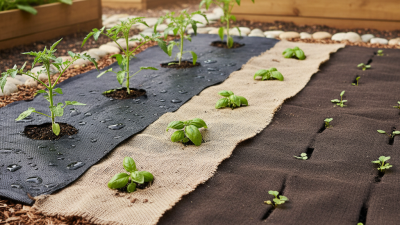
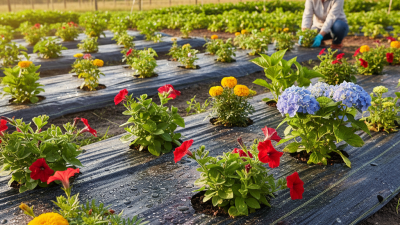
Weed control fabric is an essential tool for gardeners seeking to reduce unwanted plant growth. This material plays a significant role in creating a healthy garden environment. Many gardeners face challenges with weeds that compete with their plants for nutrients and water. Choosing the right weed control fabric can protect your garden effectively.
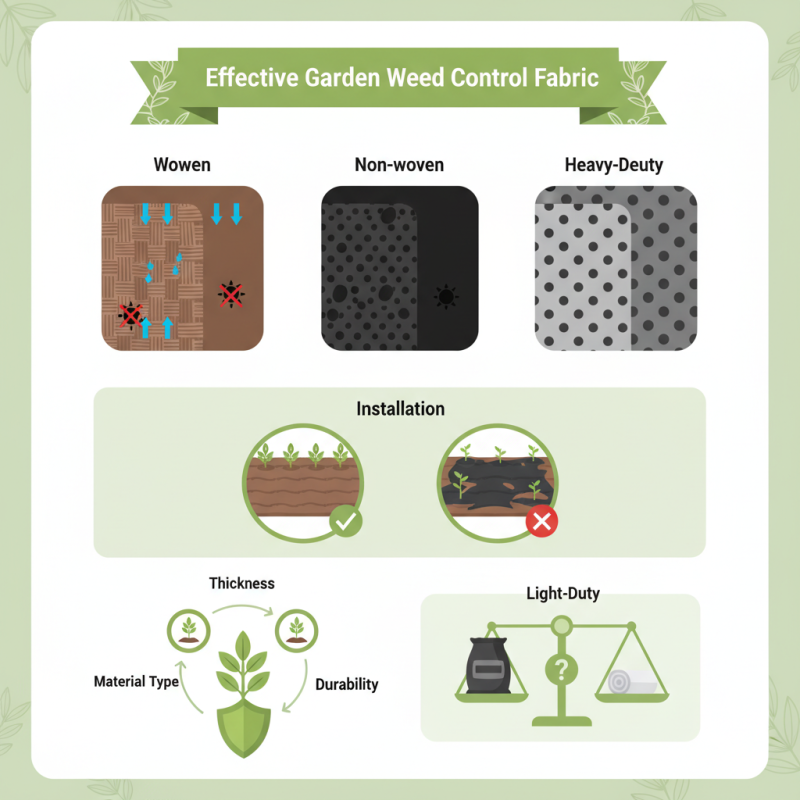
When selecting weed control fabric, consider factors such as material type, thickness, and durability. Some fabrics allow water and nutrients to seep through while blocking light to prevent weed growth. Additionally, understanding how different fabrics perform in various climates can enhance their effectiveness. However, not all products deliver the promised results.
Gardeners often overlook the importance of installing the fabric correctly. Poor installation can lead to gaps and weeds thriving in unprotected areas. Reflecting on your garden's unique needs is crucial. While some recommend heavy-duty options, others find lighter fabrics more suitable. Ultimately, understanding the pros and cons of each type will guide your choice for effective weed control.
Understanding Weed Control Fabric and Its Benefits
Weed control fabric is an essential tool for gardeners. It acts as a barrier, preventing sunlight from reaching weeds while allowing air and moisture to permeate. This fabric can effectively reduce the growth of unwanted plants in your garden. Using it can significantly minimize the time spent on weeding.
The benefits extend beyond just weed suppression. This fabric also helps retain soil moisture, which is vital for healthy plant growth. Applying it properly can reduce the need for chemical herbicides, promoting a more organic gardening approach. However, not all fabric types are equal. Choosing the right weight and material is key for durability and effectiveness.
A common mistake is ignoring maintenance needs. The fabric may tear or degrade over time. It's crucial to monitor its condition and replace it when necessary. Additionally, failing to properly install the fabric can lead to weed growth. Gardeners should be aware of these challenges to maximize the advantages of using weed control fabric. Understanding these factors leads to better garden protection.
Best Weed Control Fabric for Effective Garden Protection?
| Type of Fabric |
Material |
Weed Control Efficiency |
Durability (Years) |
Water Permeability |
UV Resistance |
| Woven Fabric |
Polypropylene |
High |
5-10 |
Excellent |
Yes |
| Non-Woven Fabric |
Polyester |
Medium |
3-6 |
Good |
Yes |
| Landscape Fabric |
Geotextile |
High |
8-15 |
Excellent |
Yes |
| Plastic Sheet |
Polyethylene |
Very High |
2-4 |
Poor |
No |
| Biodegradable Fabric |
Natural Fibers |
Medium |
1-3 |
Moderate |
Yes |
Types of Weed Control Fabrics: A Comprehensive Overview
When it comes to weed control fabrics, understanding the available types is vital.
Landscape fabrics, for instance, offer a great balance between preventing weed growth and allowing moisture to pass through.
They are typically made from synthetic materials, which can last several seasons. However, they may not break down naturally, leading to environmental concerns.
Biodegradable fabrics provide an eco-friendly option. Made from organic materials, they decompose over time.
This allows for eventual integration into the soil, enriching it without leaving harmful residues. However, their longevity is limited,
which might not be suitable for long-term projects.
When selecting a fabric, consider the local climate and plant types. Some fabrics work better with specific plants and soil conditions.
Weeds can be persistent, and no fabric will guarantee complete control. Regular monitoring is necessary to adapt to changing conditions.
Gardening is a journey, and finding the right fabric may involve some trial and error.
Factors to Consider When Choosing Weed Control Fabric
When selecting weed control fabric, several factors must be considered. The material's durability is critical. A robust fabric can withstand harsh weather and resist tearing. Look for options made from woven or non-woven polypropylene. These materials often provide better longevity.
Another essential factor is water permeability. Good weed control fabric allows water and nutrients to reach the soil. If the fabric is too dense, it may hinder plant growth. Ensure the product you choose balances weed prevention with adequate water flow.
Size and coverage matter as well. Some gardens may require large rolls, while others need smaller sections. Measure your garden space carefully. This ensures you purchase enough fabric without waste. Choosing the right fabric can protect your garden effectively, but you may need to experiment with different types. Finding the right match for your plants takes time and patience.
Installation Techniques for Optimal Garden Protection
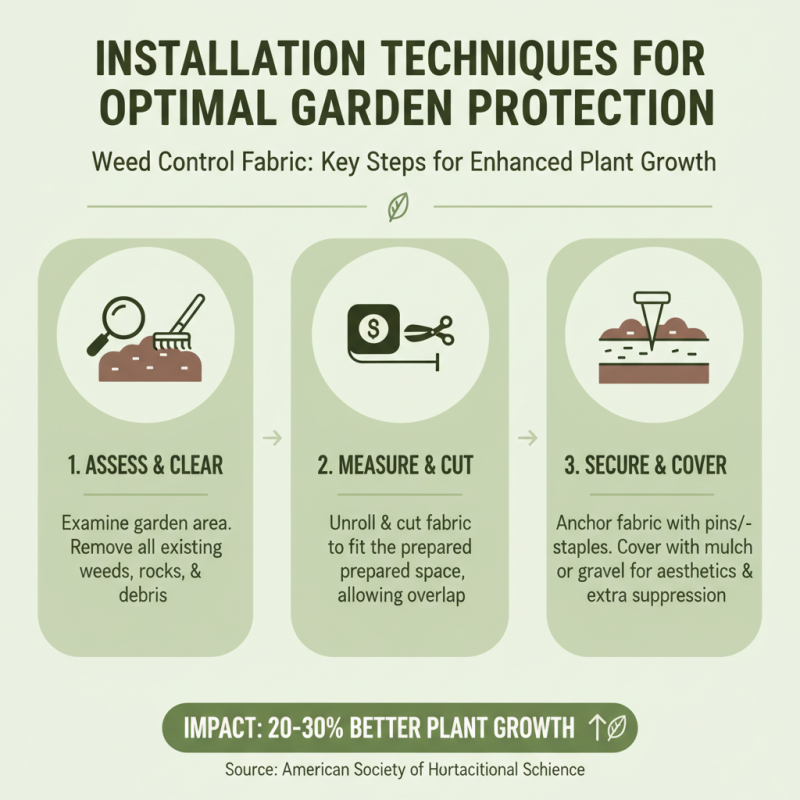
Installing weed control fabric effectively requires careful planning and technique. Begin by assessing the area where you plan to install the fabric. Clear out any existing weeds and debris. According to a study by the American Society of Horticultural Science, weed management can improve plant growth by 20-30% when using proper installation methods.
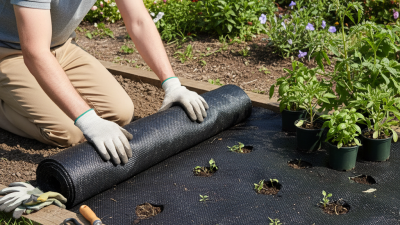
Once the ground is clear, lay the fabric evenly. Overlap the edges of the fabric by at least 12 inches to prevent weed emergence through the seams. Secure the fabric with landscape staples, driving them into the soil every three feet. A report from the USDA indicates that improper installation can lead to a 40% increase in weed growth, negating the benefits of the fabric altogether.
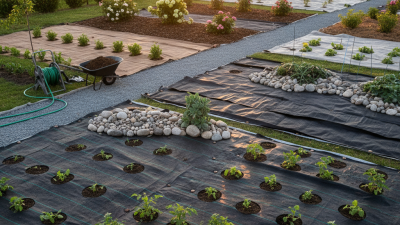
After installation, consider adding mulch on top of the fabric. This can help retain moisture and further suppress weed growth. Regularly check for disturbances in the mulch layer. If weeds penetrate, they can compromise the effectiveness of your setup. Many gardeners, however, overlook this maintenance step. Effective weed control requires ongoing vigilance and adjustments to your initial installation.
Maintenance Tips for Prolonging the Life of Weed Control Fabric
Weed control fabric is essential for effective garden management. Proper maintenance can prolong its life significantly. Many gardeners overlook this aspect, leading to quicker wear and tear.
Regular cleaning is crucial. Remove debris and sediment that accumulate over time. This can prevent degradation. A study published in the Journal of Horticultural Science indicates that clean fabrics last up to 30% longer. Inspect the fabric periodically for tears or damage. A small rip can compromise its effectiveness.
Another tip is to balance moisture. Too much water can lead to mold growth. Conversely, too little can dry out the fabric too quickly. Maintain a stable environment to ensure its longevity. Always cover the edges and secure them in place. This shields the fabric from wind and physical damage.
Remember, every garden is unique. Adjust your care routine to fit your specific conditions. As you develop your strategy, consider consulting professionals for tailored advice.