Best Silt Fence Types for Erosion Control Solutions?
Erosion is a significant environmental issue. One effective solution to combat this problem is the silt fence. Silt fences are commonly used in construction sites and landscaping projects. They help control sediment runoff and protect natural water bodies.
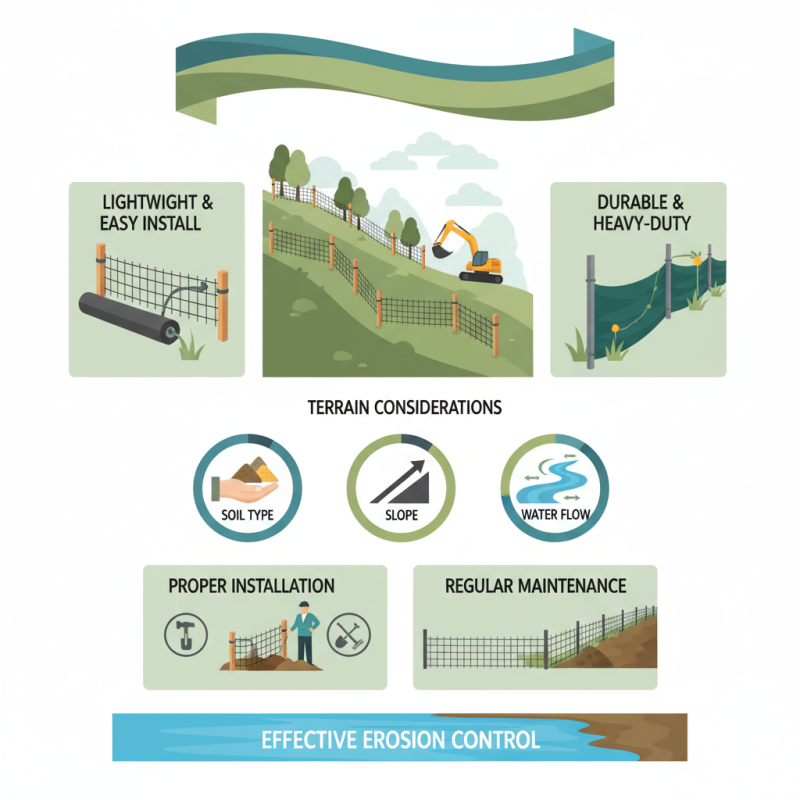
Different types of silt fences offer unique benefits. Some are lightweight and easy to install, while others are more durable for heavy-duty use. It’s essential to choose the right type for specific projects. The effectiveness of a silt fence depends on proper installation and maintenance. Often, people overlook these details, leading to inadequate protection.
Assessing the terrain is crucial when selecting a silt fence. Consider factors like soil type, slope, and water flow. A poorly chosen silt fence might not perform well. Ultimately, understanding the purpose and limitations of each type is key to successful erosion control.
Introduction to Silt Fences and Their Role in Erosion Control
Silt fences are an essential tool for erosion control. They help prevent sediment runoff during construction projects or heavy rainfall. Typically made from geotextile fabric, these fences filter sediment from stormwater. The efficiency of a silt fence can vary widely based on factors such as installation method and soil type.
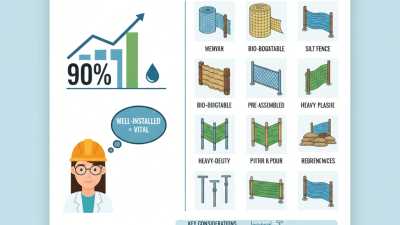
Research indicates that properly installed silt fences can reduce sediment transport by over 90%. This impressive statistic highlights their value in construction sites. However, their effectiveness diminishes when they become full or damaged. Regular inspections are crucial. A study by the Environmental Protection Agency noted that maintaining silt fences can significantly impact project outcomes. If not monitored, the benefits can quickly diminish.
Choosing the right type of silt fence is crucial for effective erosion control. Options include wire-backed fences and those made entirely from synthetic material. Each has its advantages and disadvantages, often influenced by the site's specific conditions. While some claim that synthetic options outperform natural materials, not all projects require high-grade solutions. Project managers must assess their unique situations without relying solely on industry trends.
Types of Silt Fences: Materials and Design Features
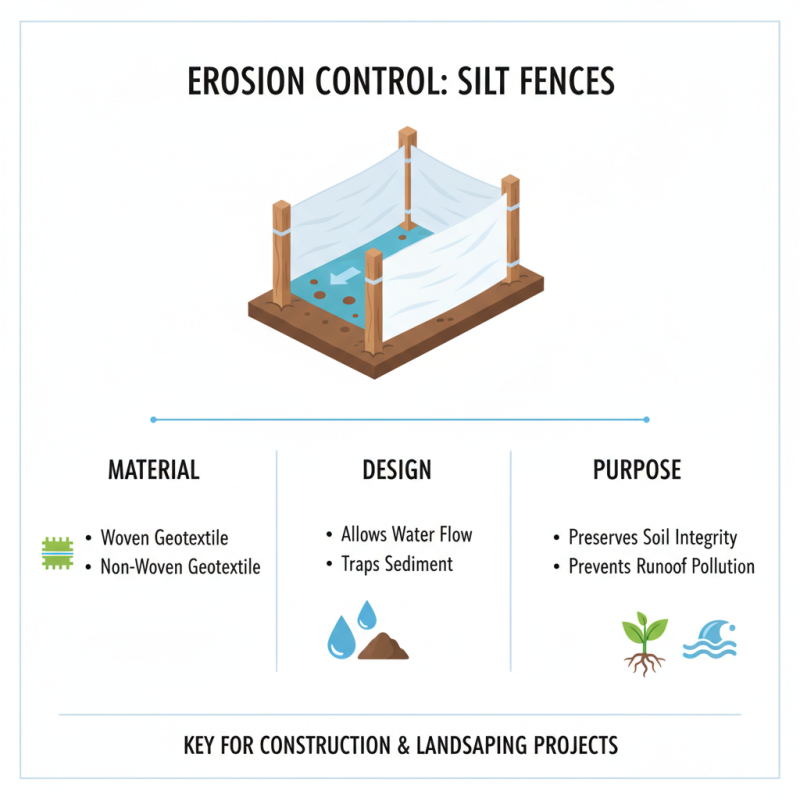
When it comes to erosion control, silt fences play a crucial role. Understanding their materials and design features is essential. Typically, they are made from woven or non-woven geotextiles. These fabrics allow water to pass through while trapping sediment. This helps in preserving soil integrity.
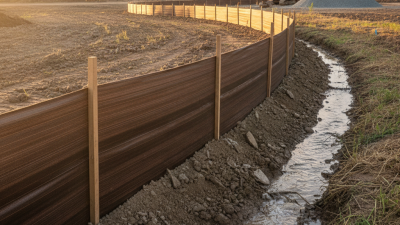
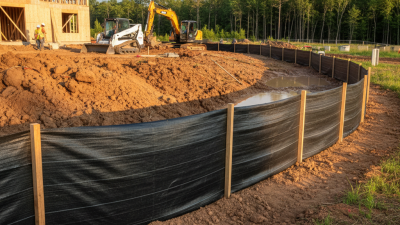
There are various designs of silt fences. Some are simple, while others come with additional features like a framework for added stability. Stakes often support the fence, ensuring it stands firm against water flow. The height of the fence also matters. Taller fences can hold more sediment but may require better anchoring.
Improper installation can lead to failure. It's easy to overlook details. For example, if the fabric is not deep enough in the ground, it may not perform well. Always consider the specific site conditions when choosing a silt fence. Each project presents unique challenges. Reflecting on these aspects can lead to better erosion control strategies.
Factors to Consider When Choosing Silt Fence Types
When selecting a silt fence, several factors come into play. The material is crucial. A durable material will resist tearing and last throughout the project. Look for different fabric options. They each have unique filtration properties. This affects how well the fence retains sediment.
Tip: Assess the site conditions. Understand the flow of water around the area. If there is a steep slope, choose a silt fence with a stronger design. A sturdy post installation can enhance stability.
Soil type matters as well. Clay soils may require different solutions compared to sandy soils. Ensure the fence can handle runoff without failing. Sometimes, it’s hard to assess the perfect choice. It’s okay to seek advice from experts. They offer valuable insights into local conditions.
Tip: Always consider maintenance. Inspect the fence regularly for signs of wear. A small tear can lead to bigger issues later. Being proactive can save time and effort down the line.
Best Silt Fence Types for Erosion Control Solutions
| Silt Fence Type |
Material |
Durability |
Height |
Best Use Case |
| Standard Silt Fence |
Woven Geotextile |
Moderate |
3 ft |
Construction Sites |
| Heavy-Duty Silt Fence |
Synthetic Fabric |
High |
4 ft |
High Erosion Areas |
| Self-Supporting Silt Fence |
Non-Woven Geotextile |
Very High |
5 ft |
Permanent Erosion Control |
| Filter Fabric Silt Fence |
Polypropylene |
Moderate |
2 ft |
Drainage Control |
| Bio-Based Silt Fence |
Biodegradable Mat |
Low |
3 ft |
Eco-Friendly Projects |
Best Practices for Installing and Maintaining Silt Fences
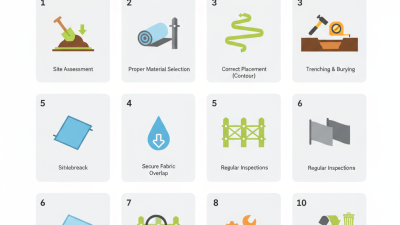
Installing and maintaining silt fences can significantly reduce soil erosion. Proper placement is crucial. When installing a silt fence, always dig a trench. This helps ensure better stability. The fence should be at least 12 inches below the ground. This method can prevent water from passing under it. Many people overlook the importance of a secure base.
Regular inspections are necessary. After heavy rain, check for any damage. Look for sagging or breaches. If you find any issues, address them immediately. It’s better to repair small problems than wait. Sometimes, maintenance can feel tedious. However, skipping it leads to bigger problems later. Make sure the fence remains upright and intact.
In some cases, the fabric may tear. It’s important to replace it promptly. Ensure it meets local regulations. Also, consider the surrounding vegetation. Plants can help reinforce the fence and reduce runoff. Maintaining a silt fence isn’t just about installation. It requires ongoing attention and effort. Think about how neglecting maintenance can impact your environment. Focus on improving your practices over time.
Comparative Analysis of Silt Fence Effectiveness in Various Environments
When evaluating silt fence effectiveness, environment plays a crucial role. Various studies indicate that geographical factors influence how well silt fences can control erosion. For instance, regions with heavy rainfall can overwhelm a standard silt fence, leading to sediment bypass. In contrast, drier areas often see better performance. A report by the Environmental Protection Agency highlighted that silt fences performed best on flat terrains compared to sloped areas.
Understanding soil composition is vital. Sandy soils drain quickly, which may result in less sediment retention. Clay soils can hold more water but are prone to clogging the fence. According to industry reports, using the right silt fence material, such as woven geotextiles, can enhance effectiveness. These materials help reduce water flow while filtering sediment efficiently.
**Tips:** Use silt fences in conjunction with other erosion control methods. Regular inspections are key. Look for signs of erosion near the fence and address them promptly. This proactive approach can significantly reduce sediment loss. Always adapt your strategy to fit the specific conditions of your site. Every environment is unique, and solutions should reflect that.
Effectiveness of Different Silt Fence Types in Erosion Control