Best Cement Sealer Options for Global Buyers in 2026?
As the construction industry evolves, so does the demand for efficient and durable cement sealer solutions. By 2026, global buyers will be seeking products that guarantee longevity while addressing environmental concerns. Selecting the right cement sealer can significantly extend the life of concrete structures, making expert insights crucial for informed decisions.
Numerous options will be available to consumers in various markets. Factors like local climate, exposure to chemicals, and aesthetic preferences will influence choices. Evaluating product performance and manufacturer credibility is essential. It is vital to consider the application methods, required preparation, and sealing longevity as well. Missteps in selection might lead to costly repairs or premature failure of sealing.
Choosing a cement sealer is not always straightforward. There is a fine balance between cost and quality. Buyers often overlook manufacturer recommendations or fail to conduct thorough research. Inadequate sealing can result in dampness, cracks, or discoloration. Thus, informed choices supported by expert opinions will empower consumers to navigate the complexities of cement sealer options effectively.

Types of Cement Sealers Available in 2026
When exploring the types of cement sealers available in 2026, buyers will find a diverse selection tailored to different needs. Water-based sealers are popular for their low environmental impact. They penetrate the surface, providing excellent protection against moisture. These sealers are easy to clean up and offer a range of finishes. However, they may require more frequent reapplication, impacting long-term cost-effectiveness.
Solvent-based sealers present another option. They create a durable, glossy finish that enhances the appearance of concrete. These sealers are more resistant to wear and tear compared to their water-based counterparts. Nevertheless, they release strong odors and require proper ventilation during application. Users must consider the potential health effects and choose wisely based on their project environment.
Acrylic sealers are known for their versatility. They work well indoors and outdoors. They can add color and sheen or create a matte finish. However, they may not provide the same level of durability as epoxy sealers.
Epoxy sealers are specifically designed for high-traffic areas, offering strong chemical resistance. While they have a robust performance profile, the application process can be demanding. Users should weigh the pros and cons carefully before making a selection. The choice of sealer will ultimately influence the longevity and appearance of cement surfaces.
Factors to Consider When Choosing a Cement Sealer
When choosing a cement sealer, several factors come into play. The type of surface is fundamental. Different surfaces require corresponding sealers. For instance, porous concrete absorbs moisture and needs a penetrating sealer. Non-porous surfaces may require a topical sealer for protection.
Durability is another key element. A good sealer should withstand various environmental conditions. Think about factors like temperature fluctuations and UV exposure. While many products claim longevity, real-world performance can vary. Testing small areas before full application helps gauge suitability.
Finally, consider application methods. Some sealers require multiple coats or specific tools. This can affect your time and costs. Read the instructions carefully. Sometimes, ease of application is overlooked. Effective sealing brings long-lasting benefits, but choosing the right product is crucial.
Best Cement Sealer Options for Global Buyers in 2026
| Sealer Type |
Durability |
Water Resistance |
UV Protection |
Ease of Application |
Price Range ($) |
| Acrylic Sealer |
Moderate |
High |
Moderate |
Easy |
15 - 25 |
| Epoxy Sealer |
Very High |
Excellent |
High |
Moderate |
30 - 50 |
| Silicone Sealer |
High |
Good |
Moderate |
Easy |
20 - 35 |
| Polyurethane Sealer |
Very High |
Excellent |
Very High |
Moderate |
40 - 70 |
| Natural Penetrating Sealer |
Moderate |
Good |
Low |
Easy |
10 - 20 |
Top Brands of Cement Sealers for Global Buyers in 2026
When selecting cement sealers in 2026, buyers should focus on reputable brands known for their durability and efficiency. Many quality sealers provide excellent protection against water damage. This feature extends the lifespan of cement surfaces significantly. Look for formulas that resist mold and mildew growth, which can be a common issue in humid climates.
Understanding different types of sealers is crucial. Acrylic sealers are popular for their versatility. They offer a clear finish that enhances the natural look of cement. In contrast, epoxy sealers provide a tougher barrier, suitable for high-traffic areas. Finding the right type can be overwhelming. Test samples before making a decision.
It’s important to consider User reviews and professional recommendations. Some products may fall short of their promises. Transparency in ingredients is vital for safety. Consumers should be aware that not all sealants work equally well in every climate. Doing thorough research helps avoid costly mistakes. Seek out detailed specifications and performance data to ensure reliability in your choice.
Environmental Impact of Cement Sealers: What to Know
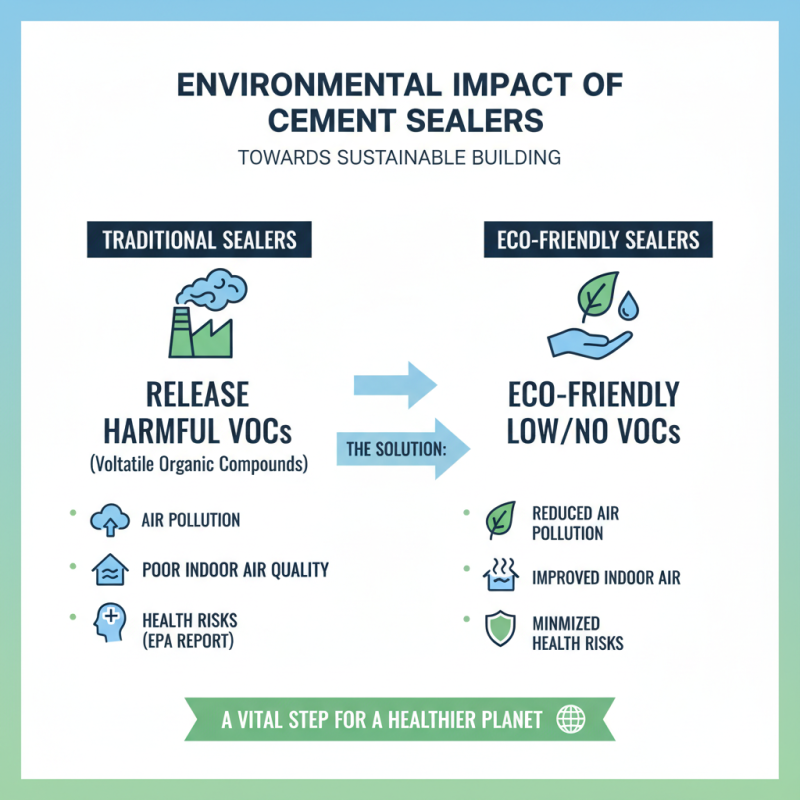
The environmental impact of cement sealers is a critical topic as the world moves towards more sustainable building practices. Research shows that traditional cement sealers can release volatile organic compounds (VOCs). These compounds contribute to air pollution and can affect indoor air quality. According to a report from the Environmental Protection Agency (EPA), exposure to VOCs is associated with various health issues. Transitioning to low-VOC or eco-friendly sealers is a vital step for minimizing these risks.
Another aspect to consider is the lifecycle of cement sealer products. Studies indicate that over 70% of construction projects use sealers that are not recyclable or biodegradable. This creates long-term waste in landfills. Opting for products with sustainable packaging and ingredients can mitigate this issue. Furthermore, the carbon footprint of production processes must be evaluated. A report by the Global Cement and Concrete Association emphasizes the need for transparency in the manufacturing phases to reduce environmental damage.
Awareness of the materials used is essential for global buyers. Not all sealers are created equal. Some may offer short-term benefits but cause long-term detriment. It's important to reflect on the effectiveness of substituting traditional products with greener alternatives. In the growing market of construction, choices carry weight. Thoughtful purchasing decisions can lead to healthier environments and, ultimately, more sustainable construction practices.
Application Techniques for Optimal Cement Sealer Performance
When applying cement sealers, preparation is key. Clean the surface thoroughly to remove any dirt or debris. This step ensures better adhesion and performance of the sealer. Use a pressure washer or a wire brush for effective cleaning. Make sure the surface is completely dry before proceeding.
Tips: Test the sealer on a small area first. This will allow you to see how it reacts with your specific cement surface. Adjust your application technique based on this test.
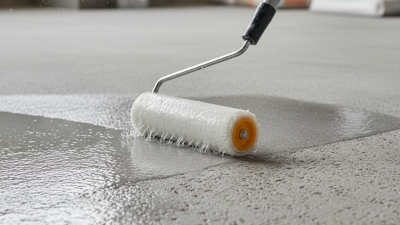
When applying the sealer, consider using a roller or a sprayer for an even finish. Apply in thin layers, allowing proper drying time between coats. Avoid over-application, as it can lead to peeling or bubbling. Remember to maintain a consistent overlap during application to ensure a uniform seal.
Tips: Weather conditions matter. Avoid applying sealer on windy days or when rain is forecasted. This can impact the curing process and effectiveness. Consider re-evaluating your application technique if you notice defects like unevenness or discoloration after drying.
Best Cement Sealer Options for Global Buyers in 2026