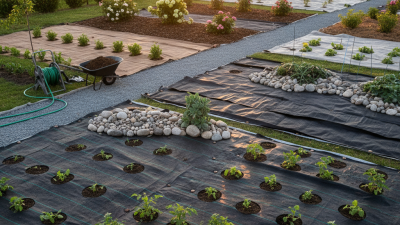
Top 10 Benefits of Using Weed Block Fabric in Your Garden Projects
In the pursuit of a flourishing garden, managing weeds can often pose a significant challenge for gardeners and horticulturists alike. Enter weed block fabric, a revolutionary solution that allows for effective weed control while promoting healthier plant growth. This innovative landscape fabric is designed not only to suppress unwanted vegetation but also to enhance soil moisture retention and aeration, creating an optimal environment for your plants to thrive.
Utilizing weed block fabric in your gardening projects offers numerous benefits that can transform the way you cultivate your outdoor spaces. From minimizing manual weeding efforts to reducing the need for chemical herbicides, this versatile tool serves as an essential ally in sustainable gardening practices. In this article, we will explore the top ten benefits of incorporating weed block fabric into your gardening routine, demonstrating how this simple yet effective material can lead to a more productive and beautiful garden.
Benefits of Weed Block Fabric for Effective Weed Control in Gardens
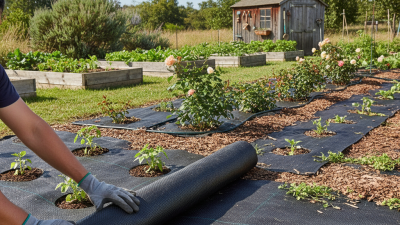
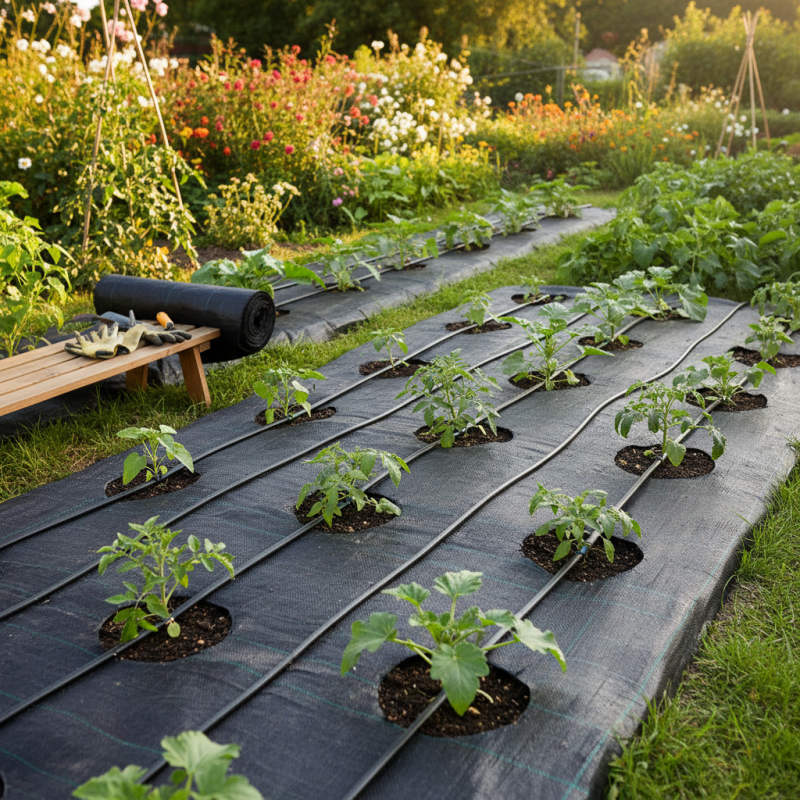
Weed block fabric, also known as landscape fabric, serves as an essential tool for garden projects, particularly when it comes to controlling weed growth. According to the National Gardening Association, gardeners lose up to 30% of their yield due to weed competition. By using weed block fabric, gardeners can significantly reduce the emergence of weeds, as the material allows water and nutrients to seep through while blocking sunlight, which is crucial for weed germination. Studies have shown that implementing weed control measures can improve crop yields by up to 50%, emphasizing the fabric's role not just in maintenance but also in agricultural productivity.
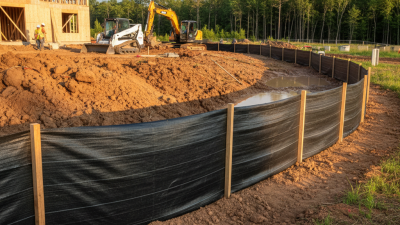
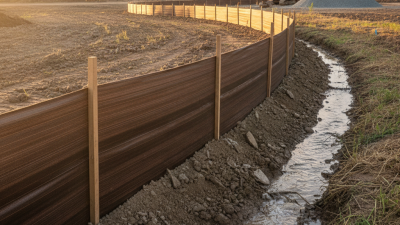
Moreover, weed block fabric enhances soil health by preventing erosion and promoting a stable environment for beneficial microorganisms. Research published in the Journal of Soil and Water Conservation indicates that using landscape fabrics can decrease soil compaction, thereby improving water retention and aeration, which are vital for plant growth. This layered approach not only enhances weed control but also fosters a healthier ecosystem within the garden, paving the way for thriving plants and reduced reliance on chemical herbicides. By integrating weed block fabric into gardening practices, gardeners can promote sustainability while ensuring their gardens flourish in a more effective manner.
Top 10 Benefits of Using Weed Block Fabric in Your Garden Projects
This bar chart illustrates the top 10 benefits of using weed block fabric in garden projects, highlighting their effectiveness and advantages in weed control, moisture retention, and overall garden maintenance. Each benefit is scored on a scale from 1 to 10 to depict its importance.
Impact on Soil Health and Moisture Retention from Weed Block Fabric
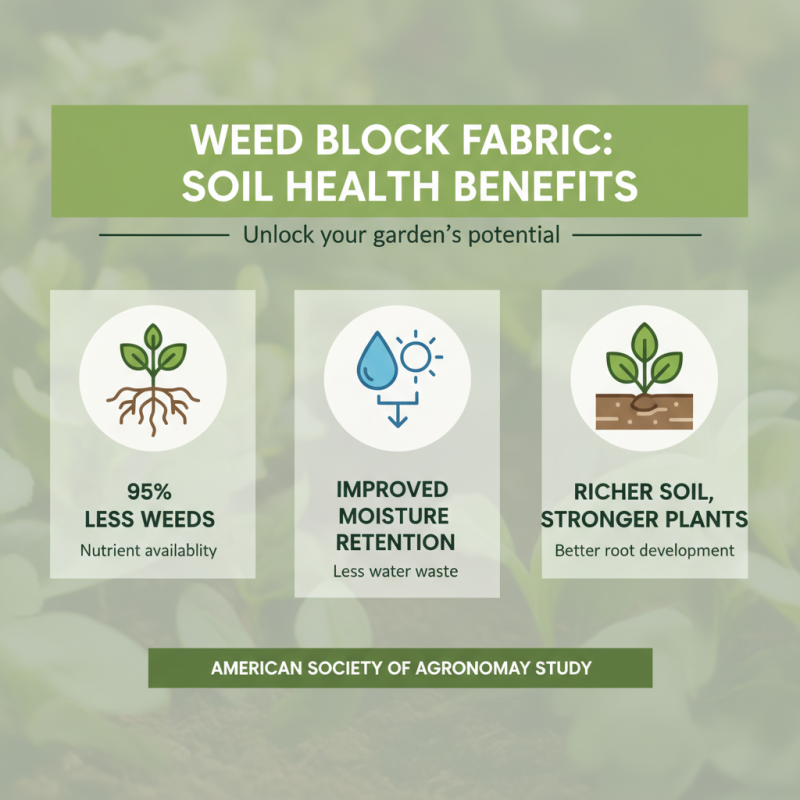
Weed block fabric is becoming increasingly popular in home and commercial gardening due to its significant impact on soil health and moisture retention. According to a study published by the American Society of Agronomy, the use of landscape fabric can reduce weed growth by up to 95%, which is crucial for maintaining nutrient availability in the soil. With fewer weeds competing for resources, plants can thrive, leading to richer soil health over time. This reduction in competition allows for better root development and increases the overall productivity of your garden.
In addition to controlling weeds, weed block fabric plays a vital role in moisture retention. Research from the Soil Science Society of America indicates that the use of such fabrics can reduce evaporation rates by as much as 50%. This is particularly beneficial in arid regions or during hot summer months, where soil moisture is critical for plant survival. By minimizing water loss, weed block fabrics help maintain consistent soil moisture levels, which is essential for nurturing healthy plants and encouraging deeper root growth. These fabrics thus contribute not only to an aesthetically pleasing garden but also to a sustainable gardening practice that enhances soil vitality and reduces water usage.
Enhancing Garden Aesthetics: The Role of Weed Block Fabric in Landscaping
Weed block fabric has emerged as a vital tool in enhancing garden aesthetics, making it a preferred choice for landscaping projects. By effectively suppressing the growth of weeds, this material allows plants to thrive without competition for nutrients, light, and water. According to industry reports, gardens that integrate weed block fabric see a significant reduction in weed growth — often by as much as 95% — which not only leads to healthier plants but also creates a more visually appealing garden. The uniform look of weed block fabric provides a clean, polished foundation for various landscaping designs, contributing to an organized and aesthetically pleasing outdoor space.
Integrating weed block fabric into garden projects can elevate the overall design while promoting sustainability. Professionals in landscaping recognize that using this material reduces the need for chemical herbicides, aligning with the increasing trend towards eco-friendly gardening practices. A study published in the "Journal of Environmental Horticulture" highlights that gardens utilizing weed barrier fabrics have shown improved soil moisture retention and temperature regulation, further nurturing plant growth. This eco-conscious approach not only enhances the beauty of gardens but also supports healthy ecosystems, making weed block fabric an indispensable asset in modern landscaping.
Cost-Effectiveness of Using Weed Block Fabric Over Time in Garden Maintenance
Using weed block fabric in garden projects provides significant cost-effectiveness over time, particularly in terms of long-term maintenance. According to a report by the National Gardening Association, gardeners often spend as much as 20% of their maintenance budget on weed control. By implementing weed block fabric, this expenditure can be reduced significantly. Research indicates that the use of such fabric can lower the frequency of weeding by up to 90%, thereby allowing gardeners to allocate their time and resources more efficiently.
Moreover, the durability of quality weed block fabric can last for several years, resulting in decreased replacement frequencies. A study conducted by the University of Florida found that effective barrier materials could last anywhere from 5 to 10 years. This longevity directly translates into significant savings, as the initial investment in weed block fabric is diminished over the lifespan of the material. Additionally, by reducing weed growth, these fabrics help in maintaining soil moisture and improving overall plant health, ultimately contributing to a more sustainable and productive gardening practice that minimizes labor and chemical input costs.
Environmental Benefits of Weed Block Fabric: Reducing Herbicide Usage
Weed block fabric has become a valuable asset in sustainable gardening practices, primarily due to its significant environmental benefits. One of the most notable advantages is its ability to reduce the reliance on herbicides. According to research conducted by the Environmental Protection Agency (EPA), approximately 80 million pounds of herbicides are used annually in the United States alone. By utilizing weed block fabric, gardeners can effectively suppress weed growth without the adverse effects associated with chemical herbicides, thus promoting a safer ecosystem.
Furthermore, using weed block fabric contributes to soil health by preventing soil erosion and maintaining moisture levels. A study published in the Journal of Environmental Quality indicates that maintaining ground cover can enhance soil structure and biodiversity. By limiting the need for chemical interventions, gardeners can foster a more balanced ecosystem, which is increasingly crucial as we strive to minimize our environmental footprint. The reduction of herbicide usage not only benefits surrounding flora and fauna but also safeguards water quality by preventing harmful runoff, aligning with sustainable agricultural practices and promoting healthier garden environments.
Top 10 Benefits of Using Weed Block Fabric in Your Garden Projects
| Benefit |
Description |
Environmental Impact |
| Weed Suppression |
Blocks sunlight to prevent weed growth. |
Reduces the need for chemical herbicides. |
| Soil Retention |
Helps prevent soil erosion during heavy rainfall. |
Protects local ecosystems by maintaining soil integrity. |
| Water Conservation |
Reduces water evaporation from soil. |
Lowers water usage, beneficial in drought-prone areas. |
| Ease of Maintenance |
Simplifies garden upkeep with fewer weeds. |
Encourages organic gardening practices. |
| Improved Plant Growth |
Allows plants to receive nutrients without weed competition. |
Promotes biodiversity in plant life. |
| Durability |
Long-lasting, can withstand harsh weather. |
Reduces waste by minimizing the need for replacements. |
| Pest Control |
Acts as a barrier to certain pests. |
Reduces the need for chemical pesticides. |
| Versatility |
Can be used in various landscaping applications. |
Encourages a wide range of ecological practices. |
| Cost-Effectiveness |
Reduces labor and resource costs over time. |
Encourages sustainable gardening methods. |
| Aesthetic Appeal |
Provides a clean, organized look to garden beds. |
Enhances urban green spaces, improving community health. |