Why Choose Crushed Granite for Your Landscaping Needs? Benefits and Uses Explained!
In recent years, landscaping trends have increasingly favored natural materials that not only enhance aesthetic appeal but also provide functional benefits. Among these materials, crushed granite has emerged as a popular choice for both residential and commercial landscaping projects. According to the National Association of Landscape Professionals, the use of crushed stone, including crushed granite, has seen a significant rise, with approximately 30% of landscape professionals incorporating it into their designs. This statistic underscores the material's relevance and versatility in modern landscaping.
Crushed granite is not only admired for its striking visual characteristics but also for its durability and low maintenance requirements. A report from the American Society of Landscape Architects highlights that natural stone materials like crushed granite are preferred for their long-lasting nature and environmental benefits, making them a sustainable choice. Additionally, crushed granite can be used in a variety of applications, ranging from pathways and driveways to decorative stone gardens, providing both functionality and beauty that enhance outdoor living spaces. As homeowners and landscapers alike seek durable and aesthetically pleasing solutions, crushed granite stands out as a top contender in the landscaping market.
Benefits of Crushed Granite in Landscaping Projects
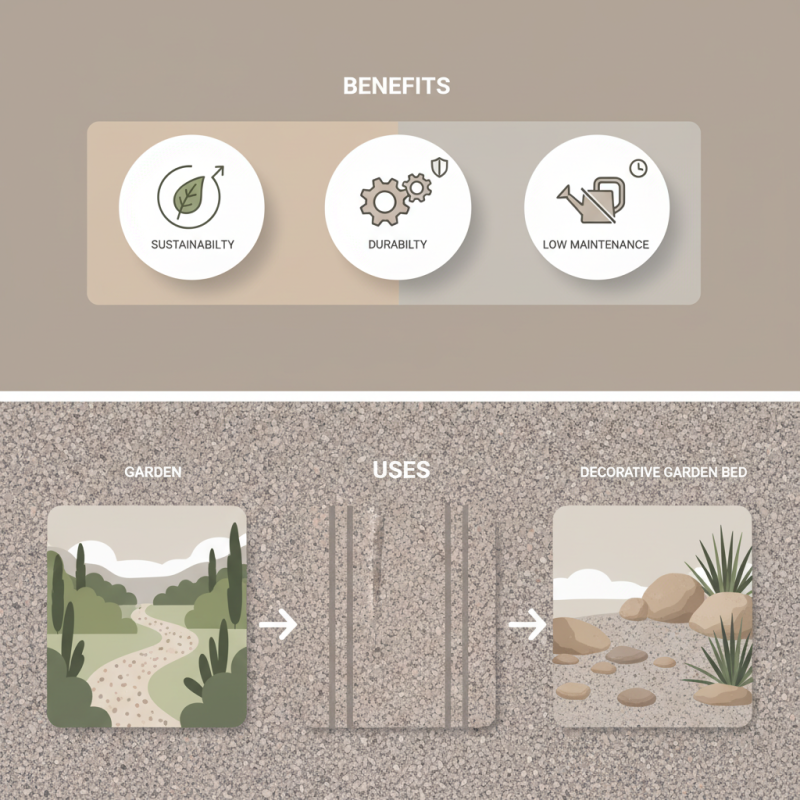
Crushed granite has become a popular choice among landscapers and homeowners alike, thanks to its versatility and durability. One of the primary benefits of using crushed granite in landscaping projects is its aesthetic appeal. The natural texture and colors of crushed granite can enhance the visual appeal of any outdoor space, providing a sophisticated yet rustic look.
A study by Landscape Research shows that natural stone, including crushed granite, contributes significantly to increased property value, attracting more potential buyers.
Additionally, crushed granite is a practical option for various landscaping applications. Its ability to provide excellent drainage makes it ideal for pathways, driveways, and garden beds where excess water can be a concern. According to the American Society of Landscape Architects, water-efficient landscaping practices, including the use of permeable materials like crushed granite, can reduce water runoff by up to 30%, promoting healthier ecosystems.
Tips: When using crushed granite, consider the size of the granules; smaller sizes provide a more compact surface, ideal for walking paths, while larger chunks create a more natural and organic look. Also, it's essential to properly layer and compact the granite to prevent shifting and ensure durability.
Finally, complement your crushed granite with drought-resistant plants to create an aesthetically pleasing and sustainable landscape.
Common Uses of Crushed Granite for Outdoor Spaces
Crushed granite is emerging as a popular choice for various landscaping projects, offering both aesthetic appeal and functional benefits. One of the primary uses of crushed granite in outdoor spaces is as a decorative ground cover. Its vibrant colors and unique textures can enhance the look of flower beds and pathways, creating a visually striking environment. Additionally, crushed granite is highly effective for drainage, making it an ideal choice for areas prone to heavy rainfall or excessive water pooling.
In hardscaping, crushed granite can be utilized for creating durable driveways, patios, and walkways. The material compacts well, providing a stable surface that can withstand foot and vehicular traffic. This not only ensures longevity but also reduces the need for extensive maintenance. Moreover, crushed granite is permeable, allowing water to seep through and replenish the soil, promoting healthier plant growth nearby.
Tips for using crushed granite effectively include selecting the right size for your project, as smaller pieces may be better for pathways while larger chunks can enhance garden features. Additionally, using landscaping fabric beneath the granite can help prevent weed growth while allowing for proper drainage. Remember to consider the color of crushed granite that complements your outdoor design, as this can significantly influence the overall aesthetic of your space.
Why Choose Crushed Granite for Your Landscaping Needs? Benefits and Uses Explained!
| Use Case |
Benefits |
Application Examples |
| Walkways |
Stable surface, aesthetic appeal |
Garden paths, residential pathways |
| Driveways |
Durable, low maintenance |
Home driveways, parking areas |
| Landscape Rock |
Natural look, complements plants |
Flower beds, garden features |
| Drainage |
Excellent drainage properties |
French drainage systems, dry wells |
| Pool Surrounds |
Cool underfoot, slip-resistant |
Around swimming pools, spa areas |
| Mulch Alternatives |
Weed suppression, soil temperature regulation |
Flower beds, shrub areas |
Environmental Advantages of Using Crushed Granite
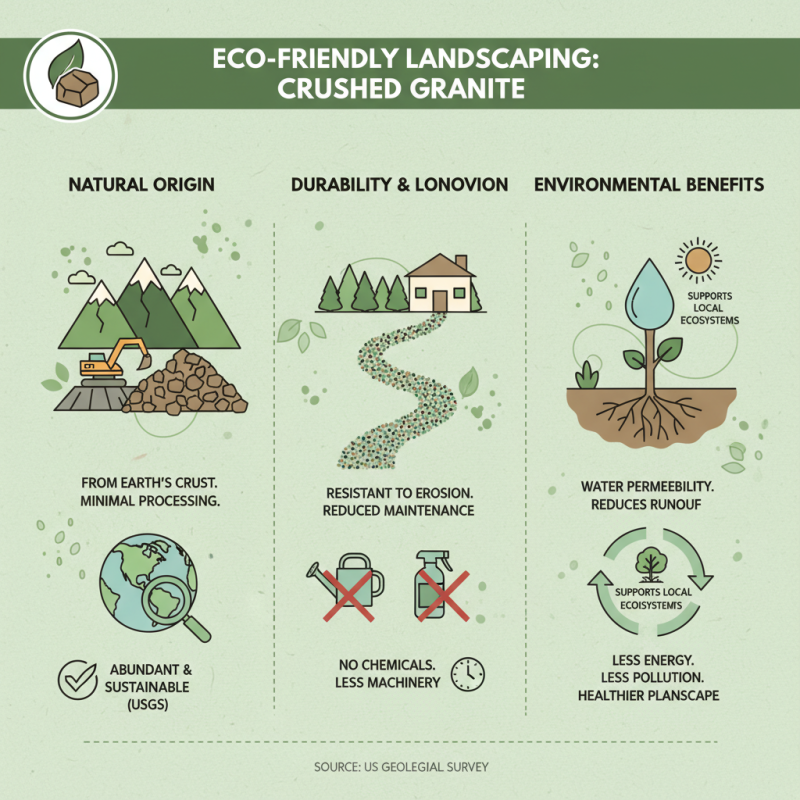
When considering environmentally friendly landscaping materials, crushed granite stands out for its numerous advantages. One of the primary environmental benefits of using crushed granite is its natural origin. Unlike synthetic materials, crushed granite is derived from granite rock, which is quarried and processed with minimal energy consumption. According to the U.S. Geological Survey, granite is one of the most abundant rocks on Earth's crust, which makes it a sustainable choice. Furthermore, its durability and resistance to erosion mean that once laid, it requires minimal ongoing maintenance, reducing the need for chemicals or heavy machinery over time.
In addition to its low environmental impact, crushed granite offers excellent drainage properties, which promote healthy plant growth and reduce the risk of water pooling or runoff that can lead to erosion. A report from the American Society of Landscape Architects highlights that permeable materials like crushed granite can help mitigate urban flooding and improve water quality by filtering pollutants from rainwater. This feature makes crushed granite an ideal choice for environmentally conscious landscaping projects, as it supports sustainable practices while enhancing the aesthetic appeal of outdoor spaces.
Installation Tips for Crushed Granite Landscapes
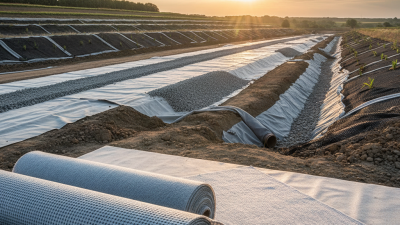
When installing a crushed granite landscape, proper preparation is essential to ensure a durable and visually appealing finish. Begin by selecting the right area for your project, taking into consideration factors such as drainage, sunlight, and existing vegetation. Clear the designated space of any grass, weeds, and debris to create a smooth base. Next, consider installing a landscape fabric to prevent weed growth while allowing water to permeate.
Once the area is prepped, it's important to establish a solid foundation. Lay down a base layer of crushed stone or gravel to improve stability and aid in drainage. After the base is settled, spread a layer of crushed granite, typically around 2-3 inches thick. Compact the granite thoroughly using a tamper to create a firm surface. For aesthetic appeal, consider edging your crushed granite area with bricks or stones, as this will define the space and prevent spreading. Following these installation tips will help ensure that your crushed granite landscape remains functional and beautiful for years to come.
Cost-Effectiveness of Crushed Granite Compared to Other Materials
When it comes to landscaping, one of the most compelling reasons to choose crushed granite is its cost-effectiveness. Compared to other materials, crushed granite offers a balance of affordability and durability that few can match. The initial investment is generally lower than that of more traditional options like natural stone or high-quality pavers, making it accessible for both small and large landscaping projects. Additionally, crushed granite is highly versatile, which means it can be used in various applications—from walkways to garden beds—eliminating the need for multiple types of materials.
Tips for maximizing your budget: When working with crushed granite, consider purchasing in bulk to reduce costs further. You might also explore local suppliers to find competitive pricing that better fits your budget. Mixing crushed granite with other materials can also create unique textures and designs while ensuring that you aren’t overspending.
Another financial advantage of crushed granite lies in its long-term maintenance. Unlike some other landscaping materials that require frequent replacement or extensive upkeep, crushed granite is highly resistant to wear and tear. This means fewer repairs and replacements over time, ultimately leading to savings on maintenance costs. Incorporating crushed granite into your landscaping can not only enhance visual appeal but also result in a more cost-effective solution for years to come.