2025 Top Paver Sand Buying Guide Tips for Choosing the Best Options
When it comes to paving projects, the choice of materials can significantly impact both the aesthetics and durability of the final result. One of the most critical elements in any paving installation is paver sand, a specially graded sand used to fill the joints between pavers and provide a stable base. According to a recent industry report by the Freedonia Group, the global demand for paving materials, including paver sand, is expected to grow by 3.5% annually, driven by increased construction activity and infrastructure development.
Selecting the right paver sand is essential for optimizing drainage, preventing weed growth, and ensuring proper interlock of pavers. The market offers a variety of options, each with unique characteristics and suitability for different projects. A National Association of Home Builders report highlights that improper choice of materials can lead to costly repairs and maintenance, making it vital for consumers and contractors alike to stay informed about the types of paver sand available, such as polymeric sand, coarse sand, and concrete sand.
In this buying guide, we will explore the essential factors to consider when selecting paver sand, including grain size, compaction characteristics, and compatibility with various paving systems. By understanding these key aspects, you can ensure a successful paving project that stands the test of time.

Understanding the Importance of Paver Sand in Landscaping Projects
Paver sand plays a crucial role in landscaping projects, serving not only as a stabilizing agent for pavers but also significantly impacting the overall aesthetics of outdoor spaces. According to a report by the National Association of Home Builders, nearly 70% of homeowners prioritize hardscaping elements, such as paver driveways and patios, in their landscaping designs, reflecting the growing trend towards durable outdoor surfaces. Properly selected paver sand contributes to better drainage and longevity of these installations, minimizing the risk of shifting or settling over time.
In addition to providing structural integrity, the right type of paver sand can enhance the appearance of landscaped areas. Industry studies indicate that inappropriate sand types can lead to issues such as weed growth and erosion, ultimately detracting from the beauty of a space. For example, polymeric sand is often favored because it hardens upon drying, effectively preventing weed infiltration and ensuring a clean, polished look. As homeowners increasingly seek to create functional yet visually appealing outdoor environments, understanding the importance of paver sand becomes essential for achieving successful landscape projects.
Paver Sand Types and Their Usage in Landscaping
This chart illustrates the various types of paver sand used in landscaping projects, highlighting their recommended uses and popularity. Understanding the different types will help you make informed decisions for your landscaping needs.
Different Types of Paver Sand and Their Unique Characteristics
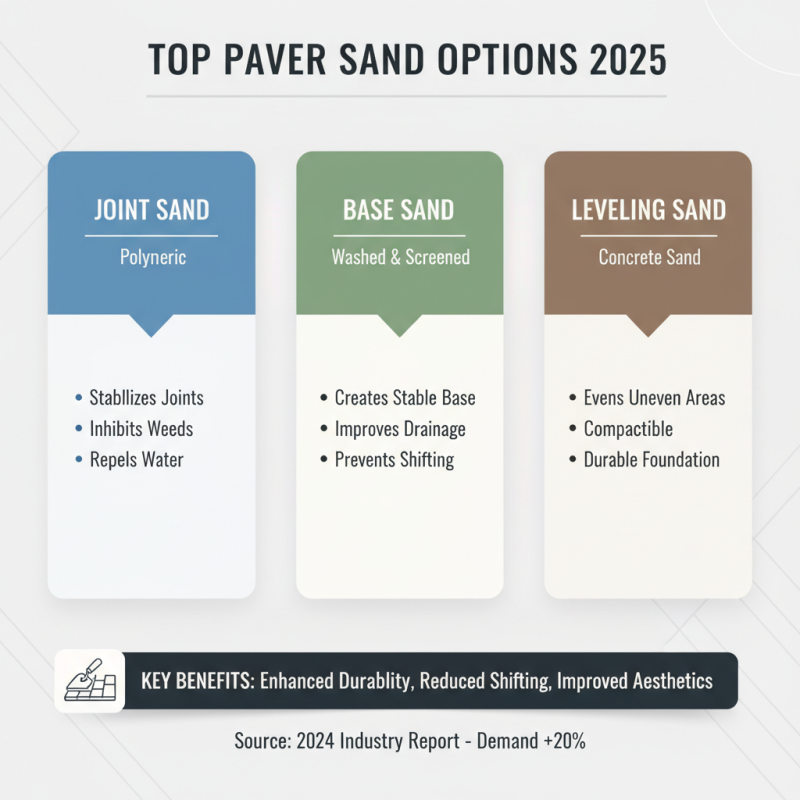
When it comes to selecting the right paver sand, understanding the different types and their unique characteristics is crucial for achieving optimal results. Generally, there are three main types of paver sand: concrete sand, polymeric sand, and joint sand. Each type serves a specific purpose and is composed of different materials that affect its performance in various paving projects.
Concrete sand, a coarse and granular option, is primarily used for creating a solid base for pavers. According to a report by the National Stone, Sand & Gravel Association, using concrete sand can enhance the load-bearing capacity of a surface by 30% compared to finer sands. This characteristic makes it ideal for heavy-traffic areas. In contrast, polymeric sand, which contains additives that allow it to harden when wet, is perfect for filling joints between pavers. This type of sand can prevent weed growth and deter insect infestations, offering long-term maintenance benefits. Studies indicate that polymeric sand reduces maintenance costs by up to 50% over time due to its durability.
Joint sand, often referred to as washed or screened sand, is typically finer than concrete sand and serves as a traditional choice for filling gaps in paver installations. While it does not harden like polymeric sand, its permeability allows for proper drainage, reducing water pooling and potential damage. The choice between these sands ultimately depends on the specific requirements of the project and the environmental conditions, demonstrating that a well-informed selection process can significantly impact both the durability and aesthetics of paver installations.
Key Factors to Consider When Choosing Paver Sand for Your Needs
When selecting paver sand, there are several key factors to consider to ensure you choose the best option for your specific needs. First and foremost, grain size plays a critical role in the stability and performance of the sand. Generally, fine-grained sand provides excellent compaction and locking between pavers, while coarse sand allows for better drainage. Assessing the intended use of the paved area will help you determine the appropriate grain size to use.
Another essential factor is the sand's composition and quality. Opting for clean, washed sand that is free from impurities such as clay or organic materials is crucial. These contaminants can affect the performance of the paver system, leading to issues like erosion or uneven surfaces over time. Additionally, consider the color and appearance of the sand, as this can influence the final aesthetic of your project. Choosing a sand that complements the paver colors will enhance the overall look of your landscaping or pathway.
Finally, think about the environmental conditions where the pavers will be installed. For areas prone to heavy rain or snow, sand that promotes drainage is vital to prevent water pooling and damage to the pavers. Conversely, in warmer climates, selecting sand that can withstand heat without shifting is important. By taking these factors into account, you can make an informed decision that will lead to a successful and long-lasting paver installation.
Best Practices for Installing and Maintaining Paver Sand
When it comes to installing and maintaining paver sand, following best practices is essential for achieving a long-lasting and visually appealing outdoor space. Proper installation begins with selecting the right type of paver sand, typically a mix of coarse and fine sand that promotes stability while allowing for proper drainage. According to industry reports, using high-quality polymeric sand can enhance the durability of your paver surface by reducing weed growth and erosion, ultimately extending the lifespan of your walkway, patio, or driveway.
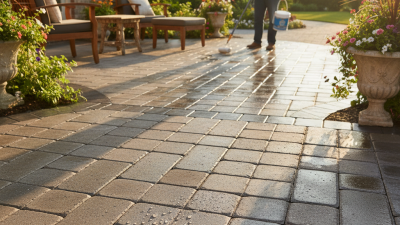
One key tip for installation is to ensure that the base beneath your pavers is well-compacted and graded to facilitate water runoff. This step is crucial, as improper grading can lead to standing water and potential settling of the pavers over time. Another best practice is to avoid using too much sand; a thin, even layer should be spread across the surface to allow for proper locking of the pavers without excessive displacement. After installation, maintaining your paver sand involves periodic brushing to fill gaps and resealing with compatible products every few years to prevent weed infiltration and keep the sand in place.
Regular maintenance also includes washing the surface to remove any debris, preventing buildup that can trap moisture and promote mold growth. Implementing these best practices along with choosing high-quality materials, as supported by studies indicating that well-maintained paver surfaces can last up to 25 years, will ensure that your outdoor areas remain both functional and attractive.
2025 Top Paver Sand Buying Guide Tips for Choosing the Best Options - Best Practices for Installing and Maintaining Paver Sand
| Attribute |
Details |
| Type of Paver Sand |
Polymeric Sand, Regular Sand, Coarse Sand |
| Grain Size |
Fine (0.020 - 0.050 mm), Medium (0.050 - 0.070 mm), Coarse (0.070 - 1.00 mm) |
| Recommended Thickness |
1-2 inches for base layer |
| Installation Tips |
Ensure a solid base, Compact the sand, Avoid excessive moisture |
| Maintenance Practices |
Regular cleaning, Replacing sand annually, Checking for weed growth |
| Performance Indicators |
Stability, Weather resistance, Minimizing weed growth |
| Environmental Considerations |
Eco-friendly materials, Reduced runoff, Natural drainage |
Top Recommended Brands and Products for 2025 Paver Sand Choices
When it comes to selecting paver sand for your landscaping or construction projects in 2025, understanding the top recommended options is essential. According to industry reports, the demand for high-quality paver sand has surged by approximately 20% over the past year, driven by increased outdoor renovations and hardscaping installations. Choosing the best paver sand can significantly impact the durability and aesthetic of your paved surfaces. Look for products that are made from finely graded materials, as they create a stable, interlocking base that reduces shifting and settling over time.
When evaluating paver sand products, consider options such as polymeric sand, which contains additives that help prevent weed growth and erosion. Research indicates that polymeric sands can extend the life of your installations by up to 50% compared to traditional sand. It's also crucial to check for product certifications to ensure you are getting a quality material that meets industry standards.
Tips for choosing the right paver sand include assessing the specific requirements of your project, such as the type of pavers being used and the expected weather conditions. Additionally, consulting with local suppliers can provide insights into the most popular and effective paver sand products available in your area, ensuring that you select options that perform well in your specific environment. Remember, investing in quality paver sand not only enhances the appearance of your hardscaping but also contributes to its longevity and maintenance ease.